





Get matched with top excavation pros in Ucon, ID

Ucon homeowners rate excavation pros in our network

5.0

(20 reviews)

Top-rated excavation pros.

Need a pro for your excavation project in Ucon, ID?

Select your specific project to find the pro for you.

Find Excavation pros in Ucon

Avatar for Shuler Contracting and Excavation LLC
Shuler Contracting and Excavation LLC
5.0(
1
)

Serving Ucon, ID and surrounding areas

Approved

Free estimates

Credit card accepted

Offers commercial services

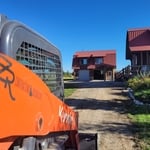
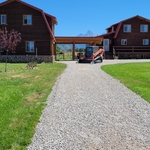
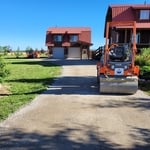
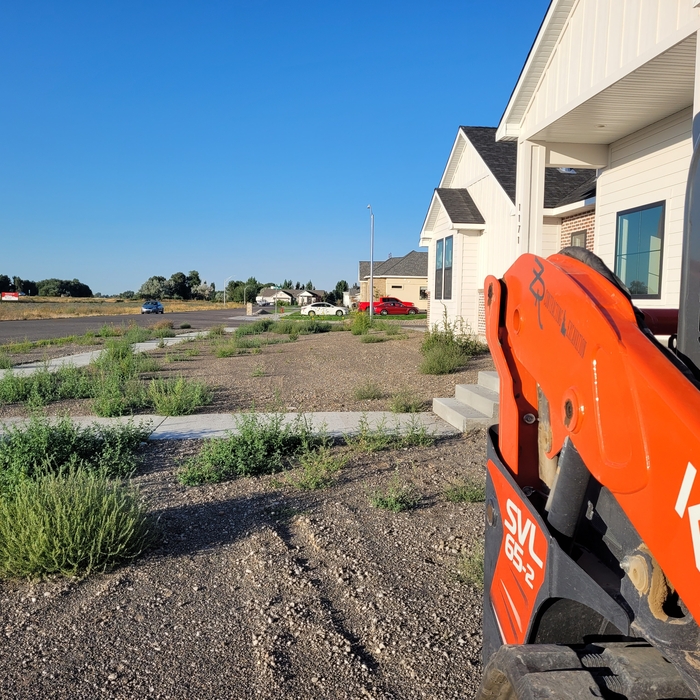
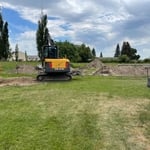
"It was easy to work with incredibly knowledgeable and his craft, set up level, had to take out a retaining wall near my structure was really grateful. He knew exactly what he was doing. Was able to trust the entire process with a large piece of equipment up against the house went flawlessly graded it perfectly level"
Photos
13 neighbors recently requested a quote
The Service Company of Idaho
New to Angi

Serving Ucon, ID and surrounding areas

Approved

In business since 2013

Free estimates

Offers commercial services

We are committed to excellence in every aspect of our business. We uphold a standard of integrity bound by fairness, honesty, and personal responsibility. Our distinction is the quality of service we bring to our customers. Accurate knowledge of our trade combined with ability is what makes us true professionals. Above all, we are watchful of our customers' interests, and make their concerns the basis of our business.

Response time10 mins
Showing 1-10 of 21
Excavating questions, answered by experts

Trenching and boring are two distinct methods for installing underground utilities. Trenching involves digging a channel using equipment like an excavator, trencher, backhoe, or shovel. While it is a simpler process, it causes significant disruption to the surface, landscaping, and surrounding ecosystems.

Boring, also known as directional boring, is a less invasive alternative that uses a drill to create a tunnel for utility lines without disturbing the surface. This method is more precise and is ideal for installations that need to go underneath buildings, roads, or bodies of water. Although boring is less disruptive, it is generally more expensive than trenching.

There are many ways to cut through roots when digging, especially if your trencher doesn’t seem to be removing the roots. First, use a shovel to expose the roots. Then, use gardening shears to clear out smaller roots or a reciprocating saw to remove larger plant roots. If you plan on keeping the plant, avoid cutting any roots over 2 inches thick.

Most residential basements are 8 to 10 feet deep. You can dig deeper depending on building codes, but it does become more difficult. You’ll likely need to install stronger foundation walls and additional supports to handle the increased load. Depending on the water table, you may also need a water management system. Clay soil can support a deeper foundation than sandy soil. A structural engineer will be able to tell you the maximum, feasible depth.

The best type of soil to build on is a mixture of sand and clay, known as loam soil. Loam soil has the best combination of these soil types to build a foundation on. The clay particles help with water retention, so it won’t erode like sandy soil might, and the sandy particles help with drainage, so you won’t see unsafe soil expansion or have an increased risk of leaks from water sitting against your foundation.

You can bury underground electrical wire six inches deep—but only if you use a rigid metal electrical conduit. For rigid, non-metallic conduits, bury the wire at least 12 inches deep. If using an underground feeder cable rated for direct burial, you'll need to place it at least 18 inches deep, as it has no conduit for extra protection.

The Ucon, ID homeowners’ guide to excavation services

From average costs to expert advice, get all the answers you need to get your job done.