




Top-rated arborists.

Get matched with top arborists in Teton, ID

Enter your zip and get matched with up to 5 pros

Need a pro for your arboricultural service project in Teton, ID?

Select your specific project to find the pro for you.

TRUSTED BY TETON, ID HOMEOWNERS

  • Average homeowner rating star icon4.4
    Average homeowner rating
  • Verified reviews icon44
    Verified arboricultural services reviews

Find Arborists in Teton

Avatar for Ultimate Stump Grinding, LLC
Ultimate Stump Grinding, LLC
5.0(
32
)
Tree Stump - RemoveTree Stump - Remove - For Business

Serving Teton, ID and surrounding areas

In business since 2021

Free estimates

Small jobs welcome

"Was looking for someone online, Called immediately. I was willing to come out the next morning but my neighbor wasnâ t ready quite yet. He came out in the morning when my neighbor was ready, he did the work quickly. I wish I had known about him a few years ago."
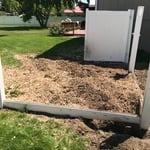
Near fence removal
After
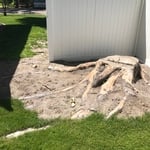
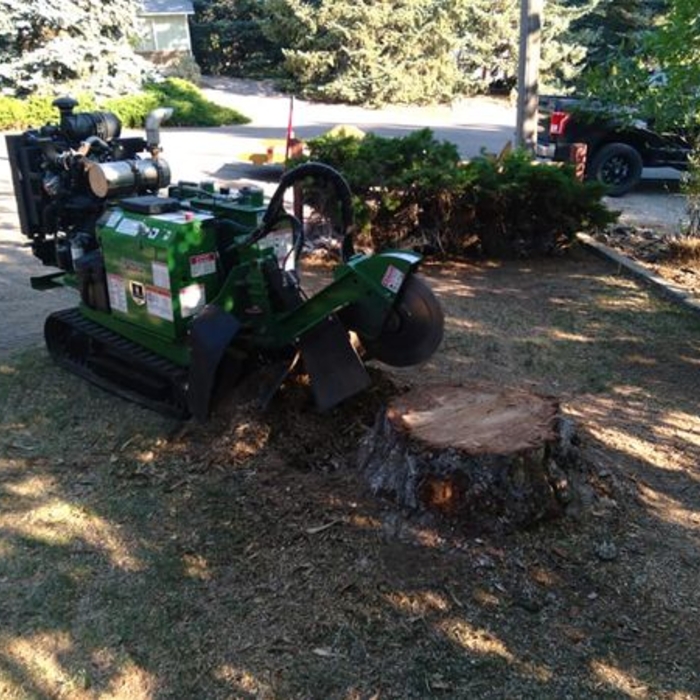
Old stump removal
Pre-cleanup aftermath
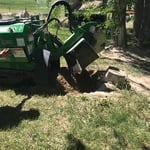
Freshly cut tree

+4

Response time1 day
Response rate86%
Recommended by96%of homeowners
Avatar for Swiss Precision Enterprises, Inc.
Swiss Precision Enterprises, Inc.
4.3(
42
)
Tree RemovalTree Removal - For BusinessTree Trimming+1 more

Serving Teton, ID and surrounding areas

In business since 1990

Free estimates

Credit card accepted

"Very professional crew, very respectful of my property and the next door property close to me. Cleaned up tree trimming to the degree you almost couldn't tell they they had cut a pine tree down. I was very impressed!!! I would recommend this company to anyone who is in need of a tree service provider."
Planting Trees
Building and Planting Patio
Planting Tree
Pavers and Landcaping
Patio and Landscape

+75

Response time9 hrs
Response rate89%
Recommended by91%of homeowners
Showing 1-10 of 31
Arborists questions, answered by experts

In general, trees should be planted no closer than 15 to 20 feet from your foundation. For larger trees with far-reaching roots like maples, oaks, or poplars, a good guide is to plant as many feet from your home as the tree’s height is expected to reach at maturity. Some trees, like elms and willows, should only be planted far from where their roots may encounter sewer or water lines.

Absolutely. These steps are significantly easier, too, especially when it comes to preserving the root ball and moving the palm tree. However, you will want to make sure the tree has plenty of fertilizer to establish itself and start growing. Supports may also be more important, as it can take extra time for a potted palm to spread out its roots. If you are transferring a palm to another pot, you’ll want to move up a size or two to a larger pot. Make sure the pot has excellent drainage to keep the palm from getting waterlogged.

Unfortunately, if you cut the top off a palm tree, it will die. Instead of budding or branching out, the top begins to slowly rot. That's why having a professional tree trimming at least twice a year is a good idea. If you don’t have experience with trimming your palm tree, you might accidentally cut the top off, leaving a dead and rotting tree in your wake.

Since overwatering can harm mature trees just as much as a lack of water, it’s important to know the signs of an overwatered tree. If your tree’s leaves are yellowing, wilting, or dropping leaves, it’s likely that you’re overwatering. Other common signs include rotting, fungi, soggy soil, soft or peeling bark, falling leaves, and brittle roots. 

If you realize that you’ve been overwatering your mature tree, stop watering and give the soil time to dry out. Then moving forward, increase time between watering sessions. 

The best time to transplant a tree is when it is dormant. For many trees, this means either in the fall after the leaves have dropped (around October or November) or in early spring before new growth begins (around March). The ideal timing can depend on the type of tree. Deciduous trees do well when moved in early spring or fall, while evergreens are best transplanted in early spring or late summer. For example, pine trees are best moved in early fall, but maples prefer late fall. Avoid transplanting in winter, as the frozen or hard, cold soil poses a significant risk to the roots and prevents the tree from acclimating properly.

The Teton, ID homeowners’ guide to arboricultural services

From average costs to expert advice, get all the answers you need to get your job done.