



Top-rated arborists.

Get matched with top arborists in Shelley, ID

Enter your zip and get matched with up to 5 pros

Need a pro for your arboricultural service project in Shelley, ID?

Select your specific project to find the pro for you.

TRUSTED BY SHELLEY, ID HOMEOWNERS

  • Average homeowner rating star icon4.7
    Average homeowner rating
  • Verified reviews icon12
    Verified arboricultural services reviews

Find Arborists in Shelley

Avatar for Yardopolis
Yardopolis
5.0(
2
)

Serving Shelley, ID and surrounding areas

Approved

In business since 2021

Free estimates

Credit card accepted

"They did a wonderful job and are very nice and easy to work with, they take their time and have my lawn looking great!"
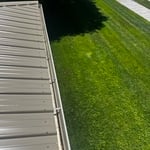
Gutter Clean and Mow
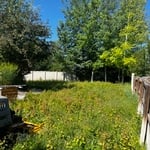
Before Photo
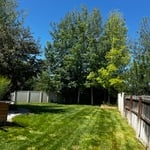
After Photo
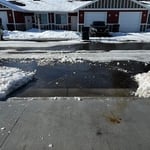
Ice removal
Response time3 days
30 neighbors recently requested a quote
Recommended by100%of homeowners
Avatar for Weed Man
Weed Man
3.6(
7
)

Serving Shelley, ID and surrounding areas

Approved

In business since 1981

Free estimates

Warranties offered

"Their aeration costs for a very small yard was over $70. In this area, you can get aeration done for $25 with the size of my yard. Also, they never ended up contacting me. I had to call them twice."
Weed Man Lawn Care
Save on Lawn Care
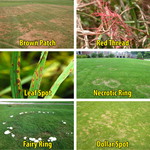
Lawn Disease
Recommended by75%of homeowners
Showing 1-10 of 36
Arborists questions, answered by experts

Since overwatering can harm mature trees just as much as a lack of water, it’s important to know the signs of an overwatered tree. If your tree’s leaves are yellowing, wilting, or dropping leaves, it’s likely that you’re overwatering. Other common signs include rotting, fungi, soggy soil, soft or peeling bark, falling leaves, and brittle roots. 

If you realize that you’ve been overwatering your mature tree, stop watering and give the soil time to dry out. Then moving forward, increase time between watering sessions. 

Generally, homeowners do not need permission to cut down a tree on their own private property, but there are several exceptions where a permit may be required. You might need a permit if the tree is particularly large, old, or a protected species, such as a heritage tree. Trees located near public property or power lines can also be subject to special rules. Additionally, many local governments and homeowners associations (HOAs) have regulations controlling which trees can be removed to manage an area's appearance or prevent the spread of invasive species. To avoid hefty fines, it is crucial to check with your local government and HOA to determine if a permit is needed before you begin.

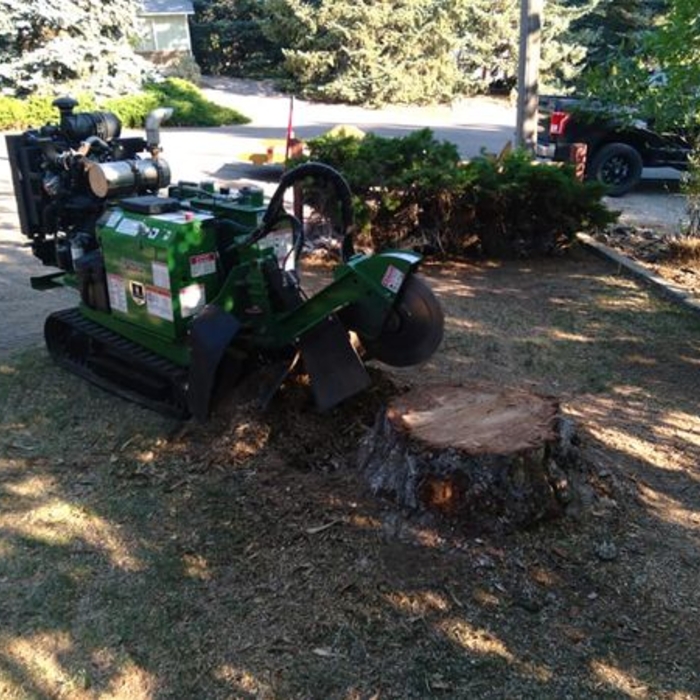
The fastest ways to remove a tree stump are by grinding it or burning it.

Stump grinding is often the quickest method, with professionals able to chip away a stump and its roots within a single session. You have the option to hire a professional stump removal service or rent a stump grinder to do it yourself. However, it's important to note that these machines can be large, difficult to transport, and dangerous to operate without prior experience. For safety reasons, hiring a local arborist or landscape specialist is often recommended.

Burning is another fast option. Before you begin, check your local burn laws. The process involves drilling holes into the stump, filling them with vegetable oil, and waiting 24 to 48 hours. Afterward, you can add charcoal bricks to the surface and light the fire, which must be attended at all times.

For a more affordable but much slower alternative, you can use potassium nitrate pellets to accelerate the natural decomposition process. This method typically takes four to six months.

Surface-level tree roots might only pose a small threat, such as being a tripping hazard or obstacle when you mow your lawn. But if mature tree roots start growing in the direction of your home’s foundation or plumbing system, it could be a real problem. Cutting small tree roots out before they grow too large can keep your home safe without removing the whole tree.

There are several methods to hollow out a tree stump, and the best one depends on your tools, experience, and priorities. Common methods include using a chisel and hammer, a chainsaw, or burning.

  • Chisel and Hammer: This is often considered the easiest approach for those with limited tools or experience, though it is the most time-consuming.

  • Chainsaw: Using a chainsaw is the fastest method, but it comes with significant safety risks, especially for inexperienced users.

  • Burning: This can be an effective method, but it is not recommended unless you can first drill holes into the stump. Without holes, the stump will be difficult to light and may not burn completely through.

A power drill with at least a ⅜-inch diameter bit can make the job quicker and easier, regardless of the primary method. While you can use a chisel or chainsaw without a drill, it will require more time and effort. Always wear protective goggles and thick gloves, as splinters are an inevitable risk.

The Shelley, ID homeowners’ guide to arboricultural services

From average costs to expert advice, get all the answers you need to get your job done.