




Top-rated tree service pros.

Get matched with top tree service pros in Teton, ID

Enter your zip and get matched with up to 5 pros

Need a pro for your tree service project in Teton, ID?

Select your specific project to find the pro for you.

TRUSTED BY TETON, ID HOMEOWNERS

  • Average homeowner rating star icon4.7
    Average homeowner rating
  • Verified reviews icon32
    Verified tree services reviews

Find Tree service pros in Teton

Avatar for Swiss Precision Enterprises, Inc.
Swiss Precision Enterprises, Inc.
4.3(
42
)
Tree RemovalTree Removal - For BusinessTree Trimming+1 more

Serving Teton, ID and surrounding areas

In business since 1990

Free estimates

Credit card accepted

"Responded quickly. Owner is very friendly, knowledgeable and professional. Price was very reasonable. Work was done in a timely and professional manner. Will hire again in the spring for more tree care. Highly recommend."
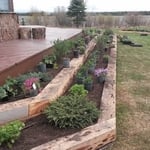
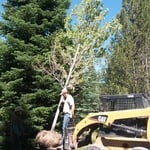
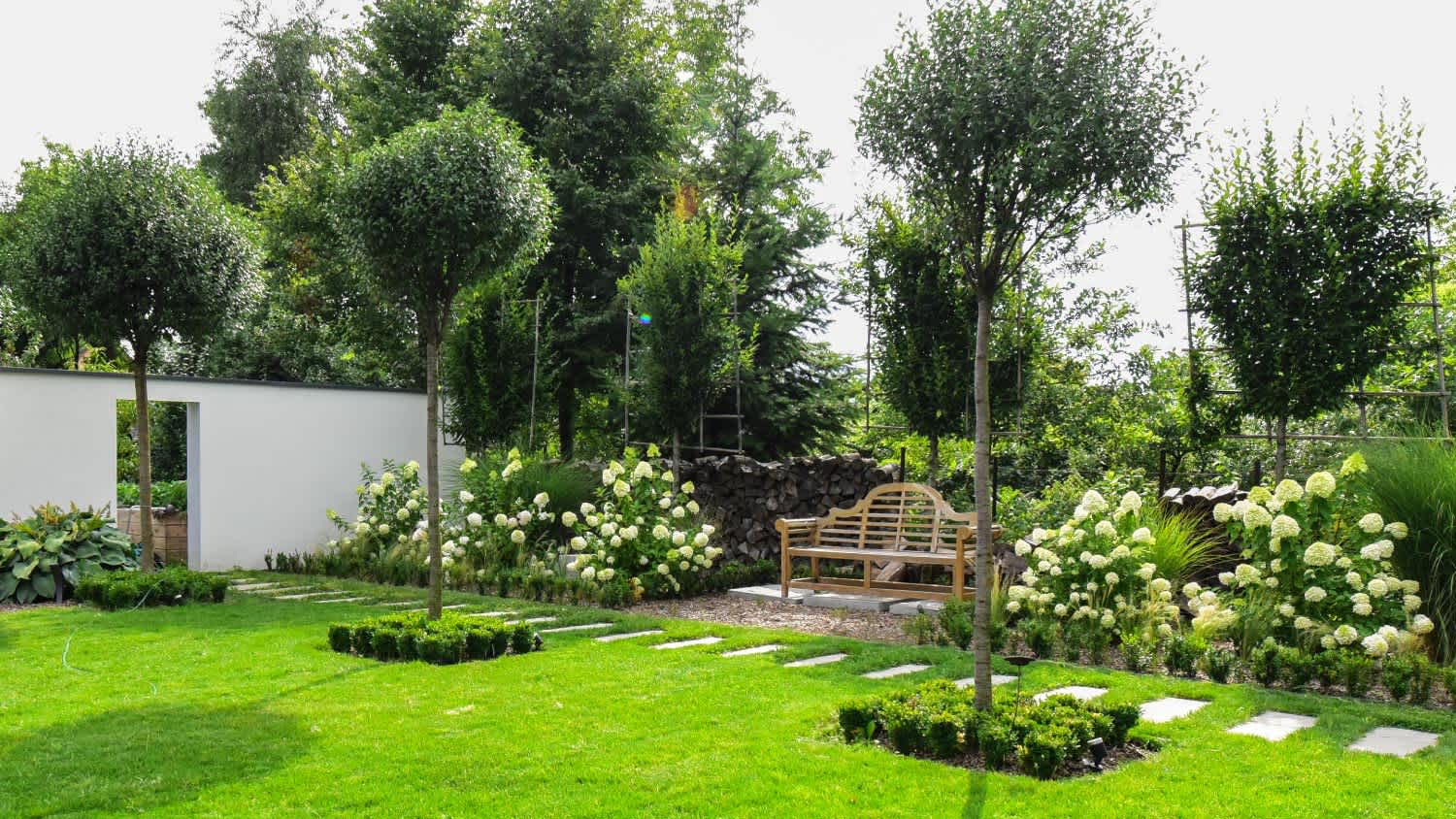
Planting Trees
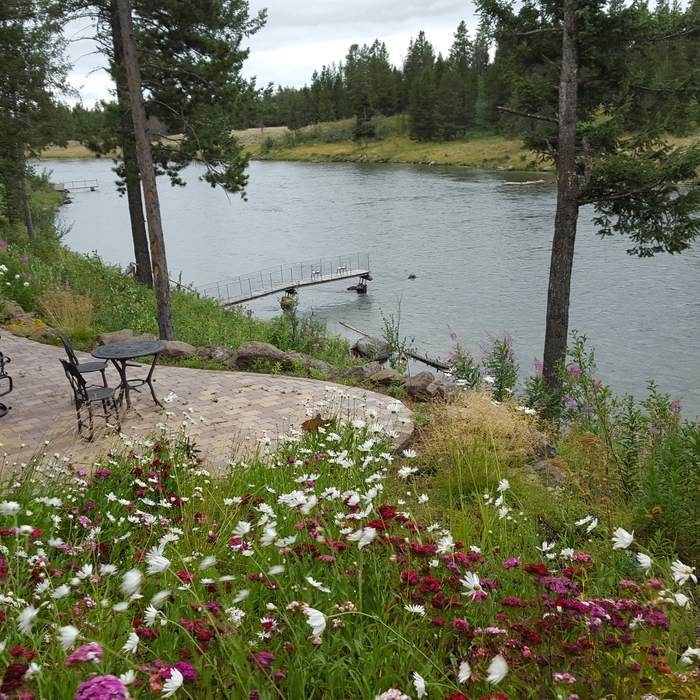
Building and Planting Patio
Planting Tree
Pavers and Landcaping
Patio and Landscape

+75

Response time9 hrs
Response rate89%
Recommended by91%of homeowners
Showing 1-10 of 31
Tree Service questions, answered by experts

In most cases, you should not use a pruning seal on trees after trimming. Applying a sealant can interfere with the tree's natural healing process, and it does not guarantee protection from pathogens. Instead of sealing the cut, the best practice is to support the tree's natural recovery by providing it with plenty of water and a dormant-style fertilizer. However, there are exceptions. Pruning seals may be recommended for very vulnerable species, like elm trees, in areas where dangerous diseases such as Dutch elm disease are prevalent. In these specific situations, the protection offered by a sealant can outweigh its downsides. For advice tailored to your situation, especially after cutting large branches, it is best to consult a local tree trimming professional.

Completely topping a plum tree is a risky business. Cut too much, and you’ll kill your tree. That said, you do need to trim the top of your tree to encourage bushy growth, maintain your tree’s vase shape, and limit size. 

A plum tree's central leader (or trunk) should never extend more than 3 feet above the highest branch. When you first plant your tree, cut the central leader so it’s 2 to 3 feet tall. As it grows, cut it back 12 to 20 inches until it reaches its desired height. Never prune more than one-third of the new growth.

Generally, you do not have the right to take fruit from a neighbor's tree, even if the branches overhang your property. The fruit is considered the property of the tree's owner. While you may have the right to trim branches that cross into your yard, the fruit on them typically still belongs to your neighbor. However, laws can vary by state and municipality. In some areas, branches that extend into your yard or trees that straddle a property line may entitle you to some of the fruit. The best course of action is to speak with your neighbor, as they may be happy to share. If a conversation is not possible, check your local regulations before picking any fruit.

Although it’s possible, heavy machinery like a crane is necessary for removing an entire tree stump and all. This procedure is extremely costly, time-consuming, and usually unnecessary, as there are plenty of convenient and affordable stump removal options. 

Your best bet, if you want to be sure to remove a tree and its stump efficiently, is to speak with a professional. They’ll be able to walk you through the entire process.

Yes, pruning makes trees stronger because it fosters proper growth, weight distribution, and balance of the crown. By increasing the structural integrity of the tree through pruning, it’s less likely to experience disease, pests, broken limbs, and storm damage. Pruning the right branches and limbs is key to improving a tree’s strength and balance.

The Teton, ID homeowners’ guide to tree services

From average costs to expert advice, get all the answers you need to get your job done.