



Top-rated landscapers.

Best landscapers near Teton, ID

Enter your zip and get matched with up to 5 pros

Need a pro for your landscaping project in Teton, ID?

Select your specific project to find the pro for you.

TRUSTED BY TETON, ID HOMEOWNERS

  • Average homeowner rating star icon3.6
    Average homeowner rating
  • Verified reviews icon13
    Verified landscaping services reviews

Top-Rated Landscapers in Teton - Updated Nov 2026

Royalty Landscaping
4.5(
5
)
Lawn Care - Maintain and Mow a Lawn

Serving Teton, ID and surrounding areas

Approved

In business since 2019

Free estimates

Credit card accepted

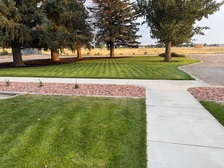
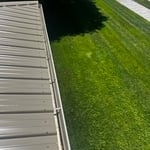
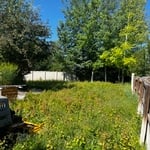
Welcome to Royalty Landscaping! We take pride in the quality of work and customer satisfaction that we give each and every customer! We are known to pay exquisite attention to detail while making customer satisfaction our top priority. Call us today to learn more about how we can help you! \n \n \n

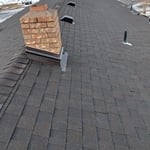
Roof repair
Response time1 day
Recommended by100%of homeowners
Avatar for Concors Earthworks
Concors Earthworks
5.0(
6
)
Lawn & Yard Waste Clean UpLandscape - Soil, Sand, Mulch and Rock DeliveryLandscape - Soil, Sand, Mulch and Rock Delivery - For Business+3 more

Serving Teton, ID and surrounding areas

Approved

In business since 2023

Free estimates

Offers commercial services

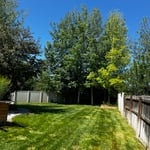
"Wilson from Concors Earthworks did an outstanding job installing about 1,000 square feet of sod in my front yard. He was professional, efficient, and clearly knows what he’s doing. The sod was laid cleanly and evenly, and the yard looks fantastic. Communication was clear throughout the process, and he left everything tidy when he finished. Highly recommend Wilson and Concors Earthworks for any sod or earthwork needs!"
Nice lawn
1 neighbors recently requested a quote
Avatar for EXCEL CONCRETE & EXCAVATION LLC
EXCEL CONCRETE & EXCAVATION LLC
4.8(
4
)
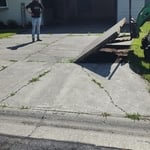
Retaining Wall - Install

Serving Teton, ID and surrounding areas

Approved

In business since 2017

Free estimates

Credit card accepted

is committed to excellence in every aspect of our business. We uphold a \nstandard of integrity bound by fairness, honesty and personal responsibility. Our distinction is \nthe quality of service we bring to our customers. Accurate knowledge of our trade combined \nwith ability is what makes us true professionals. Above all, we are watchful of our customer's \ninterests, and make their concerns the basis of our business.

Response time4 hrs
2 neighbors recently requested a quote
Recommended by100%of homeowners
...
Showing 1-10 of 82
Landscaping FAQs, answered by experts

It’s usually best to buy plants from a local greenhouse or nursery yourself, but landscapers are also a reliable option. First, you can choose exactly what plants you want based on their appearance rather than relying on your landscaper to choose. Additionally, while it’s more time-consuming to go buy the plants yourself, you’ll often save money because landscapers charge for delivery and may upcharge the plants. You can also speak to a professional at a nursery to ensure you understand how to care for your plants and get the most long-term value.

As much as you might try to keep a healthy, nutrient-rich lawn, you still may notice signs of St. Augustine decline (SAD)—a viral disease that discolors your grass blades. St. Augustine decline looks like:

  • Discoloration in the leaves (chlorosis)—leaves appear yellow and splotchy

  • Decline in growth

  • Leaves turn black within 3 years

  • Grass appears less vibrant

  • Grass begins to thin

  • Root rot

  • Grass takes longer to recover

The primary disadvantages of xeriscaping are the high upfront cost and the significant labor required to establish it. A xeriscaping project can cost between $3,000 and $24,000 on average. Additionally, the resulting landscape will have less of a traditional green appearance, which may not appeal to everyone's personal taste and could potentially narrow your pool of buyers if you decide to sell your home. However, despite these initial drawbacks, the long-term benefits include saving water, time, and money on lawn maintenance.

Grass is the most popular and safest option for planting over a septic drain field, but you can also plant small flowering plants and other lightweight plants that don’t have woody or deep roots. Avoid trees and bushes within 10 feet of the field, as the woody roots can crack the perforated pipes. You should also avoid planting vegetable or fruit gardens over your drain field, as a leak from the pipes could contaminate the soil and put anyone who eats the produce at risk.

While there are over 400,000 different flowering plants worldwide, there are five main types of flowers. These flower types are based on their lifecycles, giving each type a unique personality. These types are:

  • Annuals, which complete their entire life cycle within a single growing season. 

  • Perennials, which the tops die off in the winter but regrow in spring. 

  • Biennials, which complete their entire life cycle within two years.

  • Hybrids, which exhibit either annual or perennial behaviors depending on location

  • Flowering shrubs, which are small to medium-sized perennial woody plants, such as shrubs or evergreens.

The Teton, ID homeowners’ guide to landscaping services

From average costs to expert advice, get all the answers you need to get your job done.