



Top-rated arborists.

Get matched with top arborists in Lona, ID

Enter your zip and get matched with up to 5 pros

Need a pro for your arboricultural service project in Lona, ID?

Select your specific project to find the pro for you.

TRUSTED BY LONA, ID HOMEOWNERS

  • Average homeowner rating star icon4.5
    Average homeowner rating
  • Verified reviews icon282
    Verified arboricultural services reviews

Find Arborists in Lona

Woods Stump Removal LLC
4.9(
16
)
Tree Stump - RemoveTree Stump - Remove - For Business

Serving Lona, ID and surrounding areas

Approved

In business since 2023

Free estimates

Offers commercial services

"Austin Wood was terrific to work with he ground out six big cottonwood trees stumps for us. He did it in a timely manner and cleaned it all up very impressed with his company Would highly recommend them to anyone. Very satisfied Wendy Bott"
Response time7 hrs
Response rate96%
7 neighbors recently requested a quote
Avatar for Weed Man
Weed Man
3.6(
7
)
Tree Trimming - For Business

Serving Lona, ID and surrounding areas

Approved

In business since 1981

Free estimates

Warranties offered

"Their aeration costs for a very small yard was over $70. In this area, you can get aeration done for $25 with the size of my yard. Also, they never ended up contacting me. I had to call them twice."
Weed Man Lawn Care
Save on Lawn Care
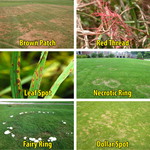
Lawn Disease
Recommended by75%of homeowners
Big Dog Irrigation, LLC
New to Angi
Tree RemovalTree TrimmingTree Trimming - For Business

Serving Lona, ID and surrounding areas

Approved

In business since 2022

Free estimates

Credit card accepted

We are a locally owned and operated company that values honesty and integrity in all aspects of our business. We offer a variety of irrigation and landscaping services that are customizable to each individual property. We pride ourselves on the quality of our work as well as our commitment to outstanding results. We look forward to building lasting relationships with our clients and guarantee your satisfaction!

Showing 1-10 of 46
Arborists questions, answered by experts

While it’s best to have access to large, healthy, strong trees in a safe position, treehouse living is still possible without them. Contractors can fit tree posts to build the structure onto or use posts as additional support alongside the trees themselves. If you’re in doubt about the suitability of the trees on your land, consult with a local treehouse builder before you start the project.

Trees provide many benefits, including shade, habitat for local wildlife, and cleaner air, so it’s always a good idea to try an alternative strategy like crown reduction before you chop one down. But sometimes, cutting down a tree is the only option (like if it’s severely diseased). A licensed arborist can assess the tree and recommend the best course of action.

A grafted tree is a tree grown by combining two trees. It takes expertise. Branches from grafted trees don’t grow strong roots. Save yourself the time and frustration by having an arborist help you with this advanced project.  

You can often tell if a tree is grafted because it will have a noticeable line. Above the line, the bark will look different than it does below the line. It’s most common with fruit trees.

It’s not as common for Dutch elm disease to affect other types of trees, especially if the surrounding trees aren’t elms. However, it is possible for DED to spread to other trees, particularly in northern states, like Minnesota. In fact, it’s a good idea to use geography to identify wood and determine which types of trees are in your yard. 

Unfortunately, the complex and shallow root system of elm trees makes surrounding elm trees particularly vulnerable to DED. Early discovery is key!

Completely topping a plum tree is a risky business. Cut too much, and you’ll kill your tree. That said, you do need to trim the top of your tree to encourage bushy growth, maintain your tree’s vase shape, and limit size. 

A plum tree's central leader (or trunk) should never extend more than 3 feet above the highest branch. When you first plant your tree, cut the central leader so it’s 2 to 3 feet tall. As it grows, cut it back 12 to 20 inches until it reaches its desired height. Never prune more than one-third of the new growth.

The Lona, ID homeowners’ guide to arboricultural services

From average costs to expert advice, get all the answers you need to get your job done.