"The tech was very knowledgeable and went above and beyond to satisfy us. Our faucet was broken would not attach to the sink as the copper seal broke to the water lines."
"One oven doesn't work at all ( my choice, see above), the "working" oven was never calibrated properly so using it is hit or miss. It's time to call American Home Shield to see about replacing the entire unit. I'm waiting to finish other home projects before calling them. I don't know if I'll request Greenway again."
At The Pool Zombie, we offer friendly and courteous service. We are always eager to answer your questions and address your concerns. We have built our reputation on our commitment to providing quality services. This has earned us an impressive reputation with many valuable customers. When you need the best, call The Pool Zombie. We look forward to earning your business.
Install Above Ground Pools questions, answered by experts
Pool lights are designed to be safe by protecting swimmers from electrocution. These lights are made with waterproof fixtures and seals to prevent contact with the water.
Electrocution from pool lights is still possible, but rare. Faulty wiring or broken lighting equipment can make lights unsafe, so it’s important to replace lights as needed and have an electrician inspect and upgrade the wiring.
Certain pools serve as a middle ground between traditional swimming pools and hot tubs. The two main options are plunge pools and swim spas. A plunge pool (or cocktail pool) is smaller, but you can add spa-like elements such as heating and jets. A swim spa is more similar to a hot tub, but it produces a current that allows you to swim in place (similar to how a treadmill lets you run in place).
An in-ground swimming pool enhances property value by adding a luxurious aesthetic and functional feature. It appeals to potential homebuyers who value outdoor entertainment and relaxation spaces, thus raising market desirability.
Yes, zero-entry pools are also referred to as beach-entry pools because the gentle slope leading to the water mimics the natural slope of a sandy shore leading to a lake or ocean. You can bring in sand or pebbles to truly capture the beach-like feel of a zero-entry pool.
The number of gallons in your pool will determine how much chlorine you’ll need to add to your pool for the first time. Chlorine levels should fall between 1 and 3 ppm. It's crucial to read the instructions on your chlorine packet to determine the number of tablets to put in the water based on your pool's capacity.
The Mccall, ID homeowners’ guide to above ground pool installation services
From average costs to expert advice, get all the answers you need to get your job done.
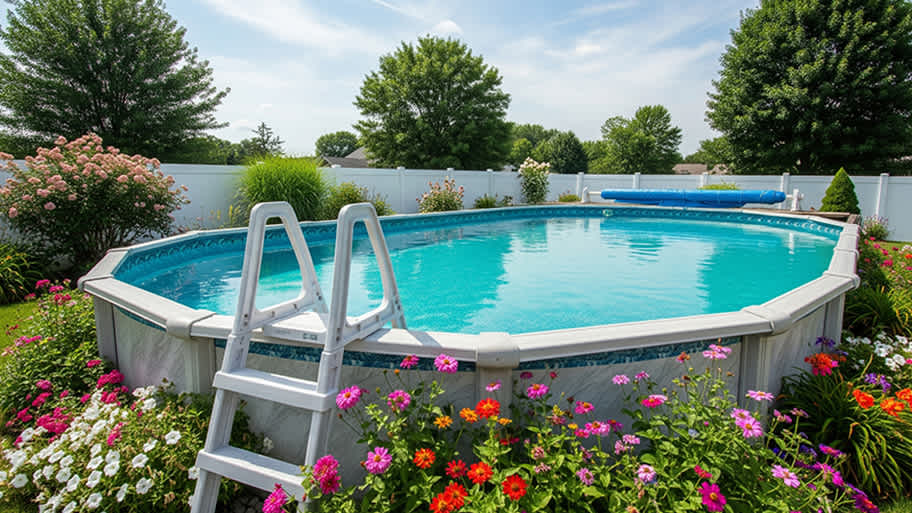
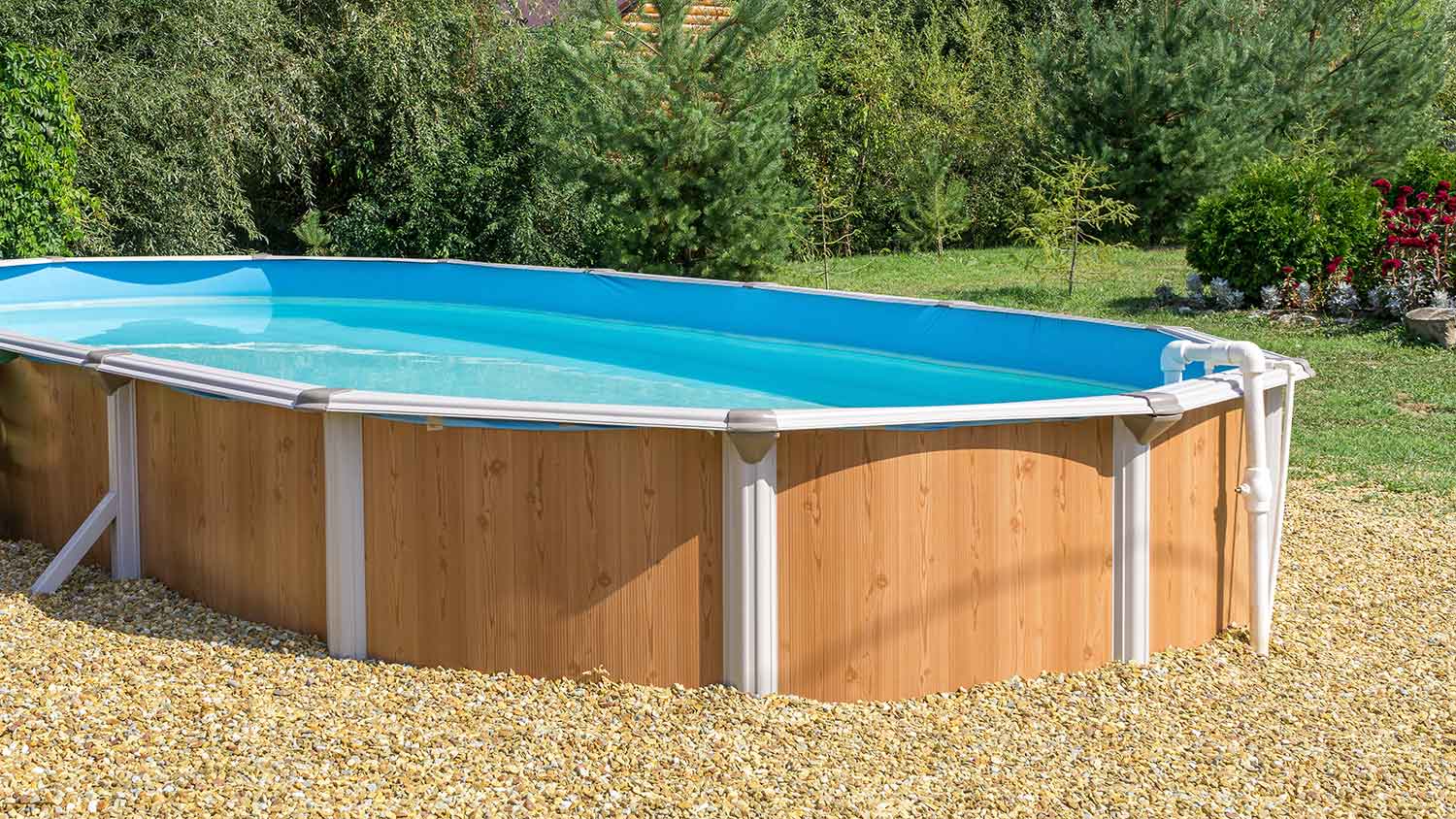
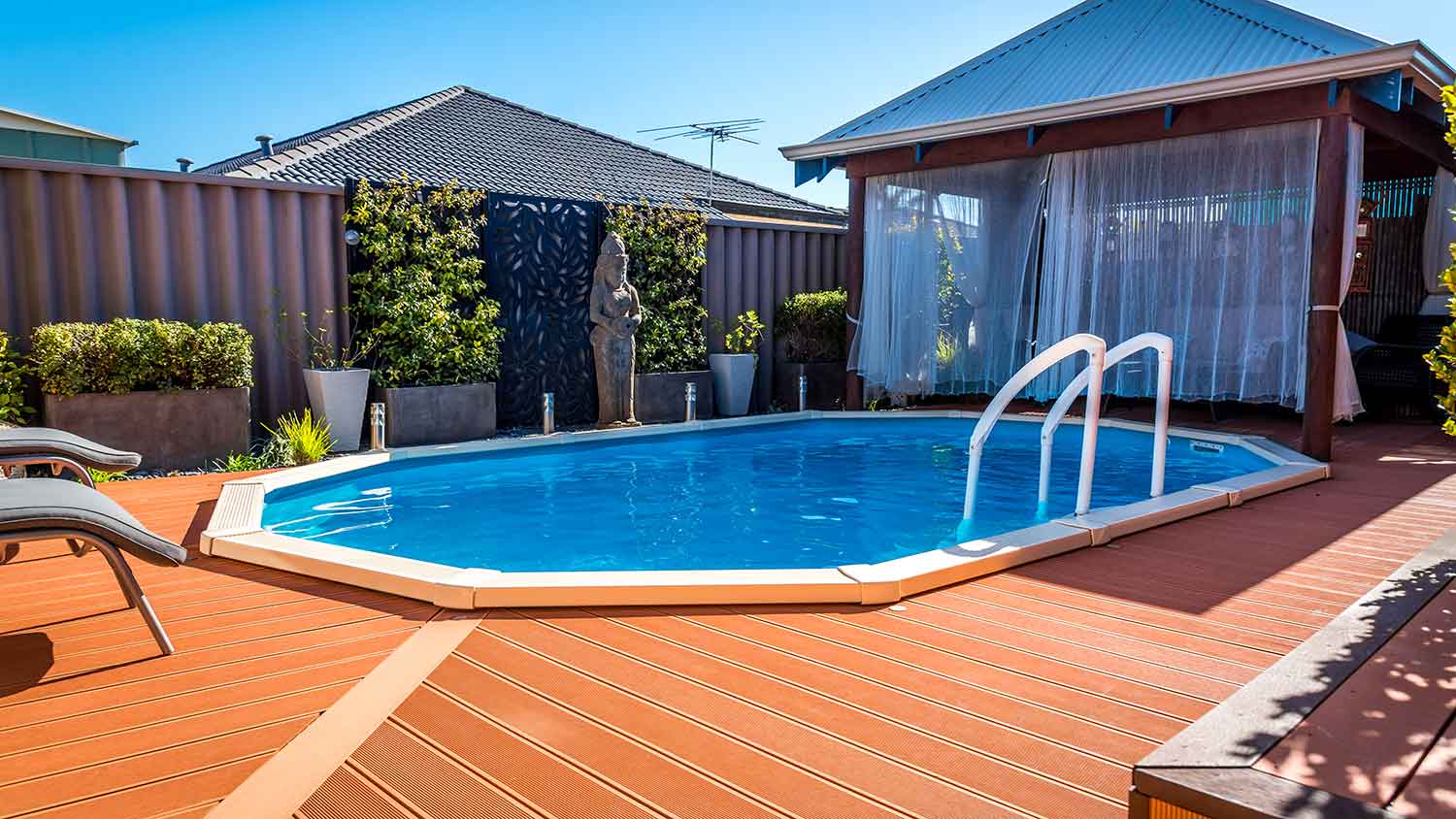
Ready for a backyard oasis? Learn everything about above ground pool installation, including average costs, site prep, and how to hire local pool installers.
Above ground pools are more affordable than inground pools, so can you put an above ground pool in the ground to save money? Learn when it’s safe to do so.