

Top-rated drywall pros.

Get matched with top drywall pros in Chubbuck, ID

Enter your zip and get matched with up to 5 pros

Need a pro for your drywall service project in Chubbuck, ID?

Select your specific project to find the pro for you.

TRUSTED BY CHUBBUCK, ID HOMEOWNERS

  • Average homeowner rating star icon4.5
    Average homeowner rating
  • Verified reviews icon28
    Verified drywall services reviews

Find Drywall pros in Chubbuck

Avatar for Pitchford Construction LLC
Pitchford Construction LLC
New to Angi

Serving Chubbuck, ID and surrounding areas

Approved

In business since 2000

Free estimates

Small jobs welcome

Pitchford Construction LLC is a locally owned and operated company that values honesty and integrity in all aspects of our business. Our dedicated team of professionals have over 9 years of hands on experience, to provide innovative ideas and suggestions tailored to your projects. Our services are customized to your individual needs, paying close attention to the details of each project that we are involved with. Please feel free to contact us today!

Response time2 hrs
Response rate86%
...
Showing 1-10 of 59
Drywall questions, answered by experts

Professionals mount TVs using specialized tools and knowledge of different wall materials, ensuring safe support.

Although they have similar applications, spackle and joint compound are not the same. Their primary differences lie in their composition, consistency, and ideal use cases.

Spackle is composed of gypsum and binding agents, making it thicker than joint compound. It dries quickly and is easy to sand, which makes it ideal for small wall repair projects like filling nail holes or patching minor damage.

Joint compound, also known as drywall mud, consists of limestone and gypsum. It is primarily used for large-scale projects, such as taping and finishing the seams on newly installed drywall. It tends to shrink more than spackle and can be more difficult to spread.

While both products can be used to fill small depressions and cracks, spackle cannot replace joint compound for taping and mudding new drywall. Conversely, you can often use joint compound for small patching jobs typically done with spackle.

You should wait at least 24 hours for drywall mud to dry before sanding or applying another coat. However, the exact drying time depends on several factors, including the thickness of the application, room temperature, humidity, and the type of compound used. Thicker layers, or projects in high humidity, may require 48 hours or more. Lightweight compounds tend to dry faster than heavier, all-purpose ones. You'll know the mud is ready when it feels completely dry and firm to the touch and has changed to a consistent light color. Sanding too early can cause smudging or gouges, so patience is essential for a smooth finish.

Yes, walls on the top floor can be load-bearing if stacked on the floor’s foundation.

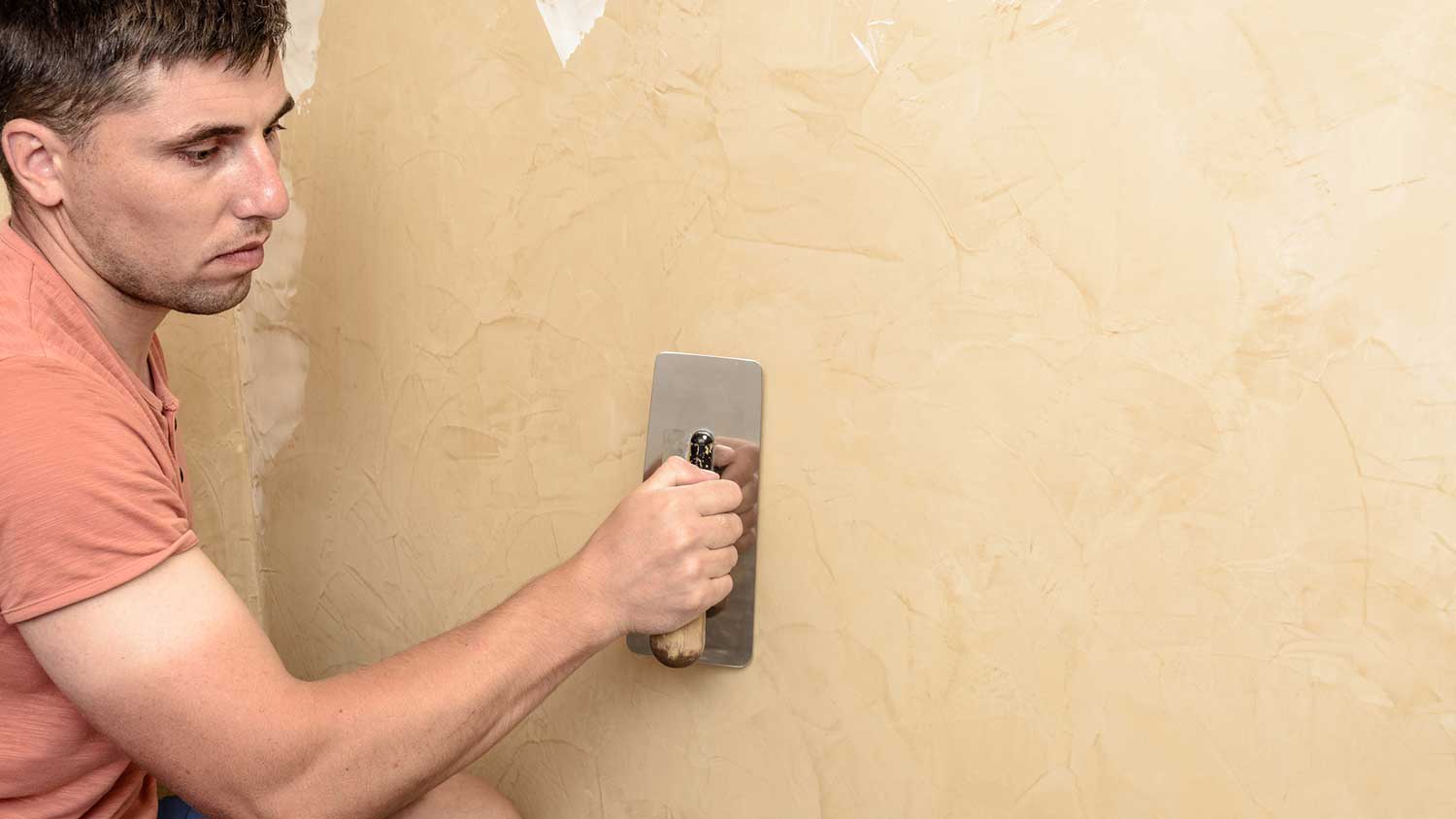
You can plaster over regular drywall, but it's essential to prepare the surface properly. Before plastering, the drywall should be clean, free of dust, and any loose or peeling paint should be removed. Applying a primer specifically designed for plastering can improve adhesion. Some professionals recommend applying a base coat of plaster or joint compound to create a better surface for the plaster to adhere to. Proper preparation ensures a smooth and durable plaster finish over regular drywall.

The Chubbuck, ID homeowners’ guide to drywall services

From average costs to expert advice, get all the answers you need to get your job done.

What do you need done? We’ll find top pros.
  • 🌱 "Mow a small front yard"
  • 🛠 "Fix a leaking pipe under the sink"
  • 🏠 "Repair shingles on an asphalt roof"