Top-rated drywall pros.

Get matched with top drywall pros in Lona, ID

Enter your zip and get matched with up to 5 pros

Need a pro for your drywall service project in Lona, ID?

Select your specific project to find the pro for you.

TRUSTED BY LONA, ID HOMEOWNERS

  • Average homeowner rating star icon4.6
    Average homeowner rating
  • Verified reviews icon80
    Verified drywall services reviews

Find Drywall pros in Lona

Avatar for A Better Home Handyworks
A Better Home Handyworks
5.0(
13
)

Serving Lona, ID and surrounding areas

Approved

In business since 2008

Free estimates

Small jobs welcome

"Being a landlord, I'm very careful about who goes into my units with my tenants. I want them to be treated very well. I have had tenants contact me after Darren and his team went in to do repairs in the units to let me know how friendly, thorough and clean Darren's work was. I highly recommend A Better Home Handiworks!"
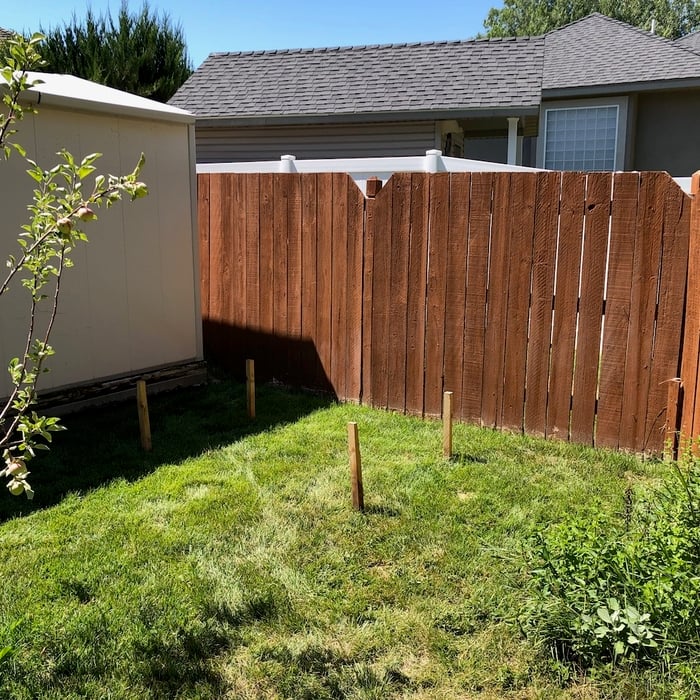
Stained to match and finished
New Patio
After paint but before patio is laid
Garden Arbor
Garden Arbor

+11

Response time7 hrs
Recommended by100%of homeowners
Avatar for Red Wind Management LLC
Red Wind Management LLC
5.0(
10
)

Serving Lona, ID and surrounding areas

Approved

In business since 2024

Emergency services offered

Warranties offered

"Jared was easy to work with, prompt in his communication, and completed the work skillfully and quickly. He left no mess behind, made no attempt to upsell, and the price was very reasonable. We will absolutely be using this company in the future! Highly recommended."
Apt Remodel
Apt Remodel
Apt Remodel
Apt Remodel
Apt Remodel

+5

5 neighbors recently requested a quote
MTZ Do It All Construction
5.0(
1
)

Serving Lona, ID and surrounding areas

Approved

In business since 2013

Free estimates

Credit card accepted

MTZ Do It All Construction, is committed to excellence in every aspect of our business. We uphold a standard of integrity bound by fairness, honesty, and personal responsibility. Our distinction is the quality of service we bring to our customers. Accurate knowledge of our trade combined with ability is what makes us true professionals. Above all, we are watchful of the interests of our customers, and make their concerns the basis of our business.

Response time3 hrs
Recommended by100%of homeowners
...
Showing 1-10 of 115
Drywall questions, answered by experts

You should leave a gap between drywall sheets because they naturally expand and contract along with the building framing as temperature and humidity change. Most pro drywall installers leave a gap of about ⅛ inch between drywall sheets, allowing the sheets to expand, contract, and shift without cracking or becoming damaged. If you don’t leave enough gaps between slabs, the edges will press against each other when they expand, and the pressure can cause visible cracks.

Yes, any parts of drywall that are wet or overly moist will need to be replaced. Drywall is intended to be dry (it’s in the name, after all.), as excess moisture can lead to mold and mildew and eventually corrode your home’s foundational building pieces. Do regular inspections in your home to make sure all your plumbing is intact and in good condition—this will go a long way toward preventing leaks.

Whether Venetian plaster increases your home's value often depends on the buyer's preference. As a purely aesthetic upgrade, it doesn't add structural value in the same way a kitchen or bathroom remodel might. However, its beautiful and attractive appearance can make a home more appealing to potential buyers, possibly leading to more interest, higher offers, and increased competition when you sell.

You should wait at least 24 hours for drywall mud to dry before sanding or applying another coat. However, the exact drying time depends on several factors, including the thickness of the application, room temperature, humidity, and the type of compound used. Thicker layers, or projects in high humidity, may require 48 hours or more. Lightweight compounds tend to dry faster than heavier, all-purpose ones. You'll know the mud is ready when it feels completely dry and firm to the touch and has changed to a consistent light color. Sanding too early can cause smudging or gouges, so patience is essential for a smooth finish.

Although they have similar applications, spackle and joint compound are not the same. Their primary differences lie in their composition, consistency, and ideal use cases.

Spackle is composed of gypsum and binding agents, making it thicker than joint compound. It dries quickly and is easy to sand, which makes it ideal for small wall repair projects like filling nail holes or patching minor damage.

Joint compound, also known as drywall mud, consists of limestone and gypsum. It is primarily used for large-scale projects, such as taping and finishing the seams on newly installed drywall. It tends to shrink more than spackle and can be more difficult to spread.

While both products can be used to fill small depressions and cracks, spackle cannot replace joint compound for taping and mudding new drywall. Conversely, you can often use joint compound for small patching jobs typically done with spackle.

The Lona, ID homeowners’ guide to drywall services

From average costs to expert advice, get all the answers you need to get your job done.