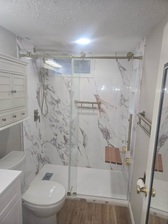



Top-rated drywall pros.

Get matched with top drywall pros in Chesterfield, ID

Enter your zip and get matched with up to 5 pros

Need a pro for your drywall service project in Chesterfield, ID?

Select your specific project to find the pro for you.

Find Drywall pros in Chesterfield

Avatar for High Desert Home Renovations LLC
High Desert Home Renovations LLC
New to Angi
Drywall - InstallDrywall - Install - For BusinessDrywall - Repair+1 more

Serving Chesterfield, ID and surrounding areas

Approved

My name is Campbell Bigelow and I am the owner of High Desert Home Renovations LLC. I have worked in construction my whole life and have been in the renovation industry proffesionally for six years. I take great pride in the work that I do, no matter the size of the job. I’m licensed and insured and I look forward to working with you! \n

2 neighbors recently requested a quote
Avatar for Bobby Browns Property Services LLC
Bobby Browns Property Services LLC
New to Angi
Drywall - Repair

Serving Chesterfield, ID and surrounding areas

Approved

In business since 2015

Free estimates

Emergency services offered

At Bobby Browns Property Services, we deliver top-tier, dependable cleaning services to make your home, rental, or commercial property shine. From deep seasonal cleans to fast turnovers between occupants, our team takes care of the dirty work so you don't have to. We take pride in focusing on the details others miss?leaving every space spotless, fresh, and welcoming.\n\nOur Services:\n\nMove-In / Move-Out: Top-to-bottom cleaning to get properties market-ready.\n\nDeep Cleaning: Focused care for kitchens, bathrooms, baseboards, and built-up grime.\n\nRecurring Maintenance: Weekly, bi-weekly, or monthly custom schedules.\n\nPost-Renovation: Clearing away dust and debris after repairs or upgrades.\n\nWhy Choose Us:\nDependable & punctual\nTransparent, upfront rates\nTailored to your priority list\n\nContact us today for a fast, free estimate!

Logo
...
Showing 1-10 of 59
Drywall questions, answered by experts

Plaster ceilings can sag for several reasons. In some cases, the plaster and other building materials shift and come apart over time, which is why you’ll commonly find drooping plaster ceilings in older homes. Improper installation, foot traffic, and water damage—often from a leaky roof or a broken pipe—can also cause plaster ceilings to sag.

Yes, you can install drywall over plaster, but there are important factors to consider. While it can create a smooth, flat surface, it is often not the best approach. Installing drywall over plaster will increase the wall's thickness, which can cause issues with existing window and door frames that may no longer fit. You might also need to adjust power outlets to keep them accessible. A better, though more expensive, option is to remove the old plaster and lath entirely before installing new drywall. Drywalling directly over plaster seals in the old material, and if any problems arise later, you will need to remove both layers down to the structural beams for repairs. Given the potential complications, this job is best handled by professionals.

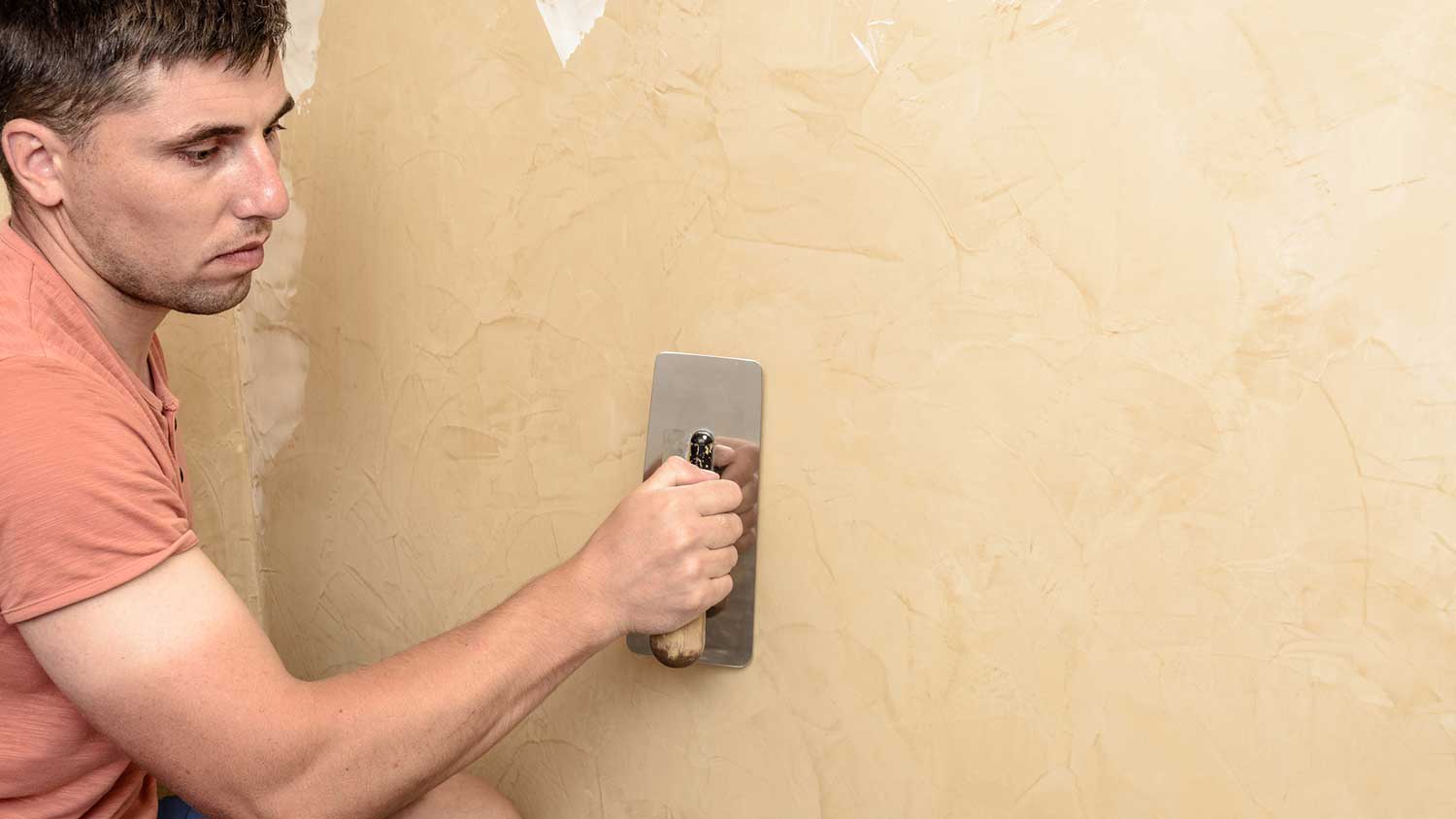
Textured walls can increase the value of your home if the style is modern and seen as a desirable feature and not something a prospective buyer would need to remedy. A good example of this is popcorn texture versus Venetian plaster. The plaster wall would add value to your home, whereas the popcorn texture may be something a new buyer would want to remove.

Whether a drywall anchor can be reused depends on its material, type, and the method of removal. Plastic anchors, including expansion and self-drilling types, are generally designed for single use as they tend to break or deform upon removal. Metal anchors, such as toggle bolts, are more durable and may be reusable if they are not damaged during extraction. However, with toggle bolts, the toggle piece can fall into the wall cavity when the bolt is removed, making it difficult to retrieve. If an anchor is damaged during removal, for instance by having its head cut off, it cannot be reused regardless of the material.

The easiest way to tell if a wall is load bearing is to check if it’s an exterior wall or if it runs perpendicular to the joists above and below it (or parallel to beams). Exterior walls are almost always load-bearing, and walls that run under beams or parallel to them are also usually load-bearing. There are exceptions to these rules, and walls that don’t fit into these categories can still be load-bearing. If you’re unsure, hire a structural engineer to look at your home to assess whether or not the wall is structural.

The Chesterfield, ID homeowners’ guide to drywall services

From average costs to expert advice, get all the answers you need to get your job done.