Top-rated drywall pros.

Get matched with top drywall pros in Iona, ID

Enter your zip and get matched with up to 5 pros

Need a pro for your drywall service project in Iona, ID?

Select your specific project to find the pro for you.

TRUSTED BY IONA, ID HOMEOWNERS

  • Average homeowner rating star icon4.6
    Average homeowner rating
  • Verified reviews icon80
    Verified drywall services reviews

Find Drywall pros in Iona

Avatar for A Better Home Handyworks
A Better Home Handyworks
5.0(
13
)
Drywall - Repair

Serving Iona, ID and surrounding areas

Approved

In business since 2008

Free estimates

Small jobs welcome

"Being a landlord, I'm very careful about who goes into my units with my tenants. I want them to be treated very well. I have had tenants contact me after Darren and his team went in to do repairs in the units to let me know how friendly, thorough and clean Darren's work was. I highly recommend A Better Home Handiworks!"
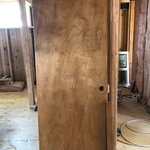
Stained to match and finished
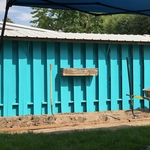
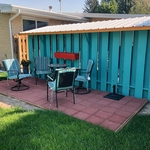
New Patio
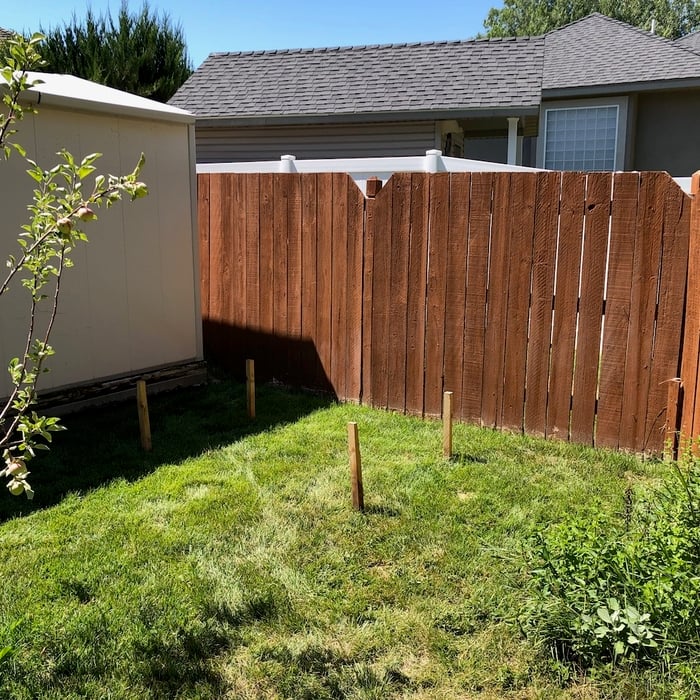
After paint but before patio is laid
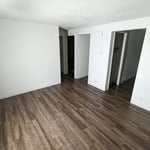
Garden Arbor
Garden Arbor

+11

Response time7 hrs
Recommended by100%of homeowners
MTZ Do It All Construction
5.0(
1
)
Drywall - Install - For BusinessDrywall - Repair - For Business

Serving Iona, ID and surrounding areas

Approved

In business since 2013

Free estimates

Credit card accepted

MTZ Do It All Construction, is committed to excellence in every aspect of our business. We uphold a standard of integrity bound by fairness, honesty, and personal responsibility. Our distinction is the quality of service we bring to our customers. Accurate knowledge of our trade combined with ability is what makes us true professionals. Above all, we are watchful of the interests of our customers, and make their concerns the basis of our business.

Response time3 hrs
Recommended by100%of homeowners
Enjay Maintenance
5.0(
2
)
Drywall - Repair

Serving Iona, ID and surrounding areas

Approved

In business since 2025

Free estimates

Credit card accepted

"Gave us a quote and a time frame, required half down the first day, things came up throughout the project which prolonged the time frame, but came the next morning and finished the job. He installed can lights in our kitchen and living room, and now those rooms are flooded with light! It feels like a new place! Thanks, Nathan!"
Response time2 days
1 neighbors recently requested a quote
...
Showing 1-10 of 115
Drywall questions, answered by experts

Wet-sanding and dry-sanding each have pros and cons. Dry-sanding is less messy, so it’s a good option if you’re trying to minimize dust (for example, if you’re sanding an occupied home or working with particularly dry or dusty drywall mud). However, dry-sanding is quicker because you don’t have to keep rinsing a sponge or wait for it to dry before painting.

There are a handful of reasons why your drywall anchors are breaking. Using the wrong type of anchor is the most common problem, so always make sure you’re using the best option for a particular project. That there are electrical wires or plumbing where you’ve placed an anchor or that your drywall is weak are two other possible causes. 

Brick and stucco are a lot more different. You must use picture hanging clips designed for brick walls, or use a plaster rail system with adjustable hooks. Any other type of hanging hardware will cause damage to the bricks behind. You won’t be able to really use nails, either, because they’re not strong enough to go into the bricks.

Drywall can get wet and dry out without sustaining permanent damage, but only if the water damage is minor. If you have a small leak and are quick to correct the issue and set up blower fans and dehumidifiers, your drywall should dry out. If the leak is persistent, the drywall becomes totally waterlogged, or mold begins forming on the drywall, you should remove and replace it.

The two most common drywall thicknesses for ceilings are 1/2-inch and 5/8-inch. For most standard residential applications, 1/2-inch drywall is sufficient and widely used. It provides adequate support and is lighter and easier to handle during installation compared to thicker sheets. However, 5/8-inch drywall is often used for specific cases where additional benefits are needed. It is heavier but provides superior sound dampening and fire resistance. You should consider using 5/8-inch drywall for ceilings in commercial buildings, between a garage and a living space, or above a finished basement to meet building codes or for enhanced soundproofing.

The Iona, ID homeowners’ guide to drywall services

From average costs to expert advice, get all the answers you need to get your job done.