








Top-rated buffing and polishing pros.

Get matched with top buffing and polishing pros in Cascade, ID

Enter your zip and get matched with up to 5 pros

Need a pro for your buffing and polishing project in Cascade, ID?

Select your specific project to find the pro for you.

Find Buffing and polishing pros in Cascade

Avatar for Start Fresh LLC
Start Fresh LLC
5.0(
6
)
Clean & Polish Flooring - For Business

Serving Cascade, ID and surrounding areas

In business since 2020

Free estimates

Credit card accepted

"They have been working for me for a year now, they were on time, accurate in getting the total time that they need to clean the house, and the prices were reasonable compared to others. Jasmine was very detailed oriented and I would continue using them."

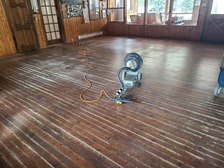
Additional Photos
Additional Photos
Recommended by100%of homeowners

Buffing and Polishing questions, answered by experts

Buffing will only remove scratches at the surface level of your flooring. You may also need to apply hardwood floor wax to restore the wax layer. To remove deeper scratches, you’ll need another floor repair method like sanding; however, if you sand the floor, you’ll also need to stain and seal it.

Due to soapstone's non-porous nature and antimicrobial properties, you don’t need to seal it like other stone materials like marble or granite. However, even though sealing isn't required, it can enhance soapstone's natural stain resistance. Another protective option is to apply mineral oil once per month.

No, using a power sander on brick is not recommended because the force of the sander can destroy brick's fragile outer layer. Even using sandpaper on brick is discouraged because of the damage its abrasiveness can cause.

When cleaning your patio, you’ll need to ensure the chemicals you use aren’t harsh enough to destroy the seal or stones. You can clean the stones with a mixture of white vinegar and water or soapy water and a scrub brush. Just be sure not to use wire brushes, as these can scratch the surface. 

The frequency for sealing granite countertops depends on several factors, including the type of sealant used, the color of the granite, and how heavily the countertops are used. As a general guideline, resealing is often recommended every 12 to 18 months, but some sources suggest it could be as often as every few months or at least once a year.

The type of sealant is a major factor: water-based sealants may need reapplication every six months to a year, while more durable solvent-based sealants can last for five to 10 years. Additionally, factors like heavy kitchen traffic, frequent use of acidic cleaners, and lighter granite colors may require more frequent sealing to prevent staining.

To determine if your countertops need resealing, you can perform a simple water test. Place a few drops of water or a wet paper towel on an inconspicuous area of the granite. After 10 to 15 minutes, check the spot. If the water has beaded up, the seal is still intact. If the water has been absorbed and darkened the stone, it's time to apply a new coat of sealant. You can choose to seal the granite yourself or hire a professional to ensure it's done correctly.

The Cascade, ID homeowners’ guide to buffing and polishing services

From average costs to expert advice, get all the answers you need to get your job done.