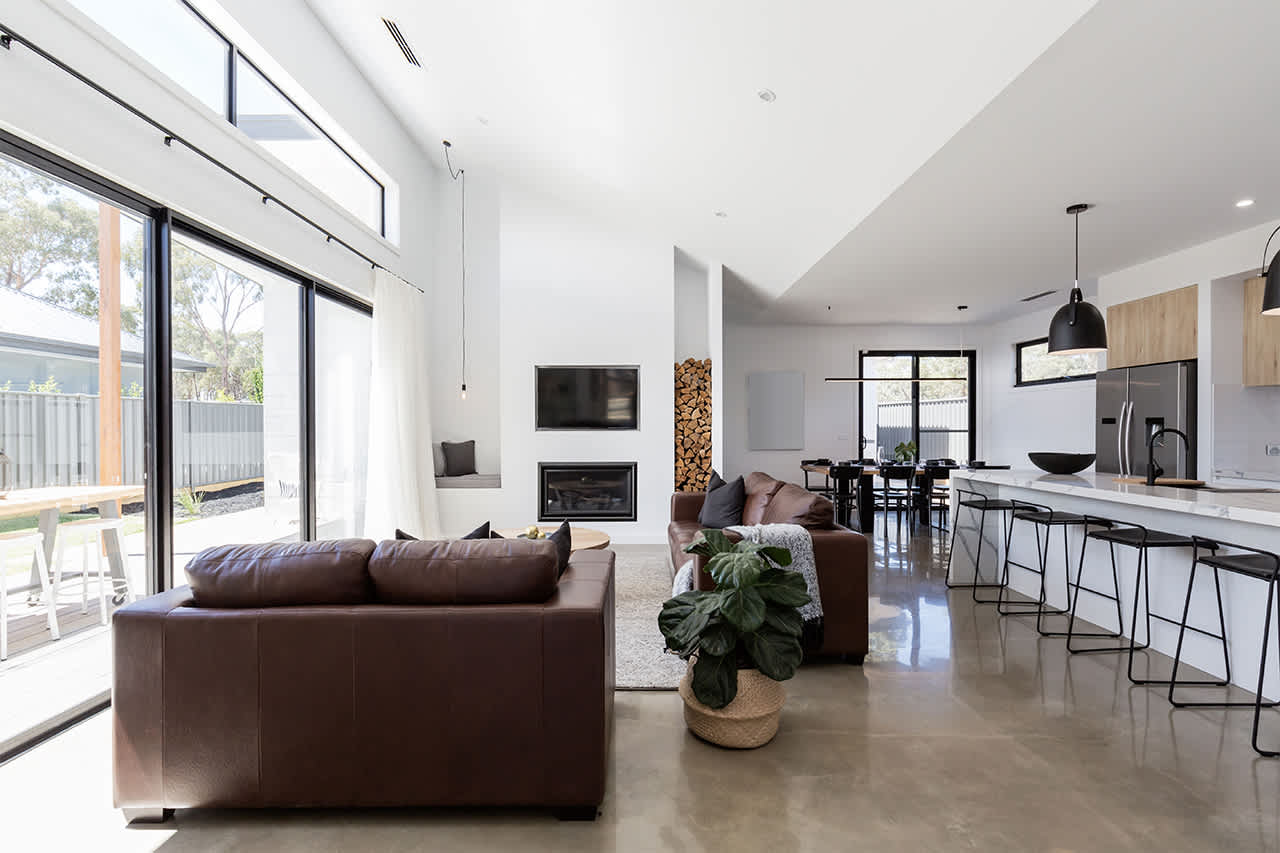
Polished concrete floor costs depend on the size of the area you’re targeting and the style of concrete floor. Our guide breaks down all the cost factors.
Flooring costs depend on your project and location. Check with a local pro for your specific job.


Professional concrete floor polishing costs between $1,500 and $5,000, with pricing based on your floor size, condition, and finish level.
The age and condition of your concrete determines how much surface prep is needed before polishing begins.
You should account for the cost of decorative add-ons like staining, scoring, or epoxy coatings when creating your project budget.
Hiring a local buffing and polishing professional ensures your floor gets a smooth, long-lasting finish and saves you time and effort.
This article was created using automation technology and thoroughly fact-checked and edited by an Angi Editor in accordance with our AI policy.
The cost to polish concrete floors averages $3,200, with a typical range from $1,500 to $5,000. Smaller, easily accessible floors can run as little as $800, while larger floors with custom finishes can exceed $15,000.
Homeowners can expect to pay $3 to $12 per square foot, depending on the floor’s size, condition, and desired finish. Polished concrete is a durable, low-maintenance flooring option that can enhance any space.
Several factors influence the total cost to polish concrete floors. Understanding these cost drivers helps you budget more accurately and decide which options are right for your home.
The type of concrete floor you have plays a big role in the final price. Residential floors, commercial spaces, and outdoor areas each have unique requirements. New concrete is often easier and less expensive to polish than older, worn surfaces that need more prep work. Interior spaces like kitchens or basements may cost less per square foot than garages or patios, especially if the slab is easy to access.
| Floor Type | Description | Average Cost (Per Sq. Ft.) |
|---|---|---|
| Garage | Standard residential garage | $3–$8 |
| Basement | Interior below-grade space | $3–$7 |
| Commercial | High-traffic business or retail floor | $5–$12 |
| Patio/outdoor | Exposed to weather, slip-resistant finish | $4–$10 |
| Slab-on-grade | Ground-level, direct on soil | $3–$8 |
| Elevated slab | Upper floors, more complex access | $5–$12 |
Total project size directly impacts your final bill. Many contractors charge by the square foot, but small jobs may have a minimum charge to cover setup and labor. Larger projects often come with a lower per-square-foot rate, while smaller spaces cost more per square foot due to the time and effort involved.
| Project Size (Sq. Ft.) | Description | Cost Range |
|---|---|---|
| Under 500 | Small room or area | $1,500–$4,000 |
| 500–1,000 | Medium space or garage | $2,000–$7,000 |
| Over 1,000 | Large area, commercial | $4,000–$15,000+ |
How often you polish concrete floors affects long-term costs and floor longevity. One-time polishing is more expensive upfront, but regularly scheduled maintenance can extend the life of your finish and reduce the need for deep restoration. Most residential floors benefit from polishing every three to five years, depending on traffic and use. High-traffic commercial spaces may need more frequent attention.
The choice of materials—such as polishing compounds, sealers, and optional decorative features—can impact your project’s budget. Standard sealers and densifiers are cost-effective, but premium options or decorative finishes like stains and dyes will increase the price. If you want a unique look with colored aggregates or epoxy coatings, expect to pay more per square foot.
| Material Type | Description | Cost Range (Per Sq. Ft.) |
|---|---|---|
| Standard sealer | Basic finish, standard protection | $0.50–$1 |
| Premium sealer | Enhanced durability, stain resistance | $1–$2.50 |
| Densifier | Hardens surface, improves polish | $0.50–$1 |
| Stain/dye | Adds color, custom appearance | $2–$5 |
| Decorative aggregate | Exposed stone, glass, or other materials | $3–$7 |
| Epoxy coating | High-gloss, chemical-resistant finish | $4–$9 |
Labor is a major part of the cost to polish concrete floors. Flooring contractors and specialty concrete pros charge $2 to $6 per square foot in labor, or $60 to $100 per hour for more involved projects. Rates vary by region and project complexity. Intricate layouts, multiple rooms, stairs, and obstacles can raise labor costs. Labor often makes up 60% to 70% of the total project cost, with the remainder going to materials and equipment.
Where you live—and where the floor is located in your home—affects pricing. Urban areas and high-cost states often have higher labor rates. Spaces that are hard to reach, like upper floors or tight basements, may cost extra due to the added effort of moving equipment.
Tipping for concrete floor polishing is not required, but it is always appreciated for exceptional workmanship. If you choose to tip, $20 to $50 per worker is a common amount for larger jobs. Alternatively, offering a positive review or referring the contractor to friends and neighbors is a valued gesture that supports their business.
For most homes, concrete floors should be polished every three to five years. The frequency depends on how much foot traffic the area receives, what type of finish you choose, and the overall use of the space. Entryways, kitchens, and commercial spaces with heavy use may require more frequent polishing to maintain a high-gloss look.
Seasonal timing can also matter—scheduling during dry months helps ensure proper curing and better results. Watch for signs like dullness, scratches, or reduced shine as indicators that it’s time to re-polish. With regular cleaning and proper maintenance, you can extend the interval between full polishings and get the best value from your investment.
Add-ons let you customize your polished concrete floor, but they also increase the total cost. These optional upgrades, like dyeing or custom concrete finishes, can boost durability, improve aesthetics, or address existing issues.
Staining or dyeing for color customization: $2 to $5 per square foot
Decorative scoring, patterns, or engraving: $3 to $7 per square foot
High-gloss or matte finish upgrades: $1 to $2 per square foot
Epoxy or urethane topcoats: $4 to $9 per square foot
Crack repair, joint filling, or patching: $1 to $3 per linear foot
Moisture mitigation treatments: $2 to $6 per square foot
Surface preparation (removal of old coatings, adhesives, or carpet): $1 to $3 per square foot
Add-ons are often recommended if your floor has cracks, moisture issues, or if you want a specific look. Some surface prep is required for older floors or those previously covered with carpet or tile.
You can polish concrete floors yourself, but it requires specialized equipment, materials, and safety gear. Renting grinders and polishers costs $200 to $400 per day, and you’ll need to buy compounds, sealers, and protective gear. The total DIY cost ranges from $1 to $4 per square foot, but you’ll invest significant time and effort. Mistakes can lead to uneven finishes or damage, which may require costly repairs.
Hiring a concrete flooring pro ensures a smooth, long-lasting finish and includes all labor, materials, and cleanup. Professionals have the experience and tools to tackle complex layouts, stairs, and large spaces.
There are several ways to keep your project affordable without sacrificing quality:
Obtain multiple quotes from local pros for the best price.
Schedule polishing during off-peak seasons for potential discounts.
Prepare the area yourself (move furniture, clean surface) to save on labor.
Opt for a basic finish instead of premium decorative options.
Bundle polishing with other flooring projects for volume discounts.
Maintain floors properly to extend time between professional polishes.
Consider partial DIY (e.g., cleaning, minor prep) to reduce costs.
Home is the most important place on earth, which is why Angi has helped more than 150 million homeowners transform their houses into homes they adore. To help homeowners with their next project, Angi provides readers with the most accurate cost data and upholds strict editorial standards. We extensively research project costs to develop the pricing data you see, so you can make the best decisions for you and your home. We rely on reputable sources, including the U.S. Bureau of Labor Statistics, academic journals, market studies, and interviews with industry experts—all to ensure our prices reflect real-world projects.
Want to help us improve our cost data? Send us a recent project quote to [email protected]. Quotes and personal information will not be shared publicly.
Joseph did a great job with the staircase and trim. Timely and efficient, clear communication about the work, very fair pricing. For the stairs in particular, done very skillfully in an old house (1893) in a tight spiral, and very creative with how to do the handrail. Did a nice job with...
 Vouis Trim Carpentry L.L.C.
This company does it right. Firstly, I want to say that Landan was a joy to work with. He was so kind, transparent, and had everything under control. His entire team showed up ready to work and they were all very respectful of the fact that we were in an office space. A little backstory – we...
 Krumlauf Floors
Finished Basements Plus was wonderful from beginning to end! First, they came out quickly for an estimate. I had 4 estimates and theirs was by far the best. (2 of the estimates were more than $20K higher than for the exact same work). Beyond their fair pricing, the work was excellent. They...
 Finished Basements Plus Inc.
Very professional, knowledgeable and helpful! Completed the install on time and as expected.
 Ward's Services
Cole has been handling plumbing and general contracting for our four properties over the past three years, and he’s always done a great job. Most recently, he installed a sink and countertop in our retail store where none existed before, and it turned out exactly how we needed. He’s...
 ANB Renovations LLC
Excellent, Prompt, Courteous Service!!! They were super friendly and quite personable. I felt very comfortable with the gentlemen that did the installation. They installed it exactly where I asked them to and they did an excellent job!! I loved their service so much.
 Tether House
Window Depot did an amazing job installing the windows in my basement! The process from start to finish was by far more than what I expected. I would highly recommend Window Depot if you want professionalism from the the consultation to the installation. Dont settle for mediocre when you can...
 Window Depot USA of Central Ohio
AFS was excellent from start to finish. Jess, the sales associate, was fantastic...very knowledgeable and very professional. The installation crew was excellent. I couldn't be more pleased with the process. Best of all, my new floor looks fantastic!
 America's Floor Source
We were having 2”x 2” tile installed . There was a small installation error and the new additional replacement tile was from a different lot and the colors didn’t match. Joe assured us that he would rectify everything , which he did without hesitation. We decided to go with the 18” x 36” tile...
 CarifaTile
Did an amazing job transforming my yard. Also installed sod in places, would recommend to everyone.
 Cardinal Landscaping & Construction LLC
From average costs to expert advice, get all the answers you need to get your job done.
Polished concrete floor costs depend on the size of the area you’re targeting and the style of concrete floor. Our guide breaks down all the cost factors.
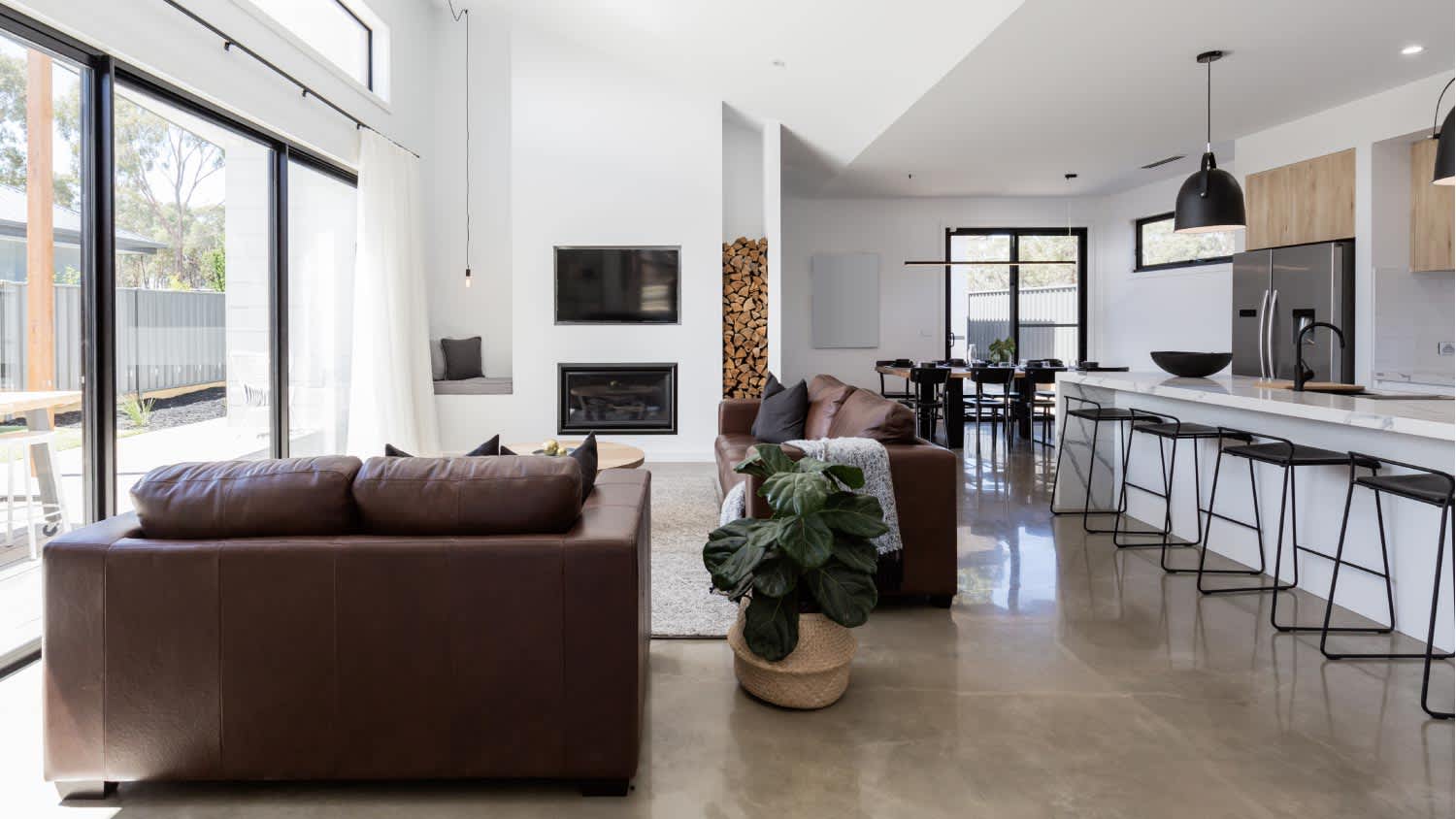
Staining concrete floors can add a little something to a drab slab. Learn more about how much stained concrete floors cost and what factors impact it.

Pouring a new concrete floor can create new usable space for your home and raise its value. This guide breaks down what affects project costs.
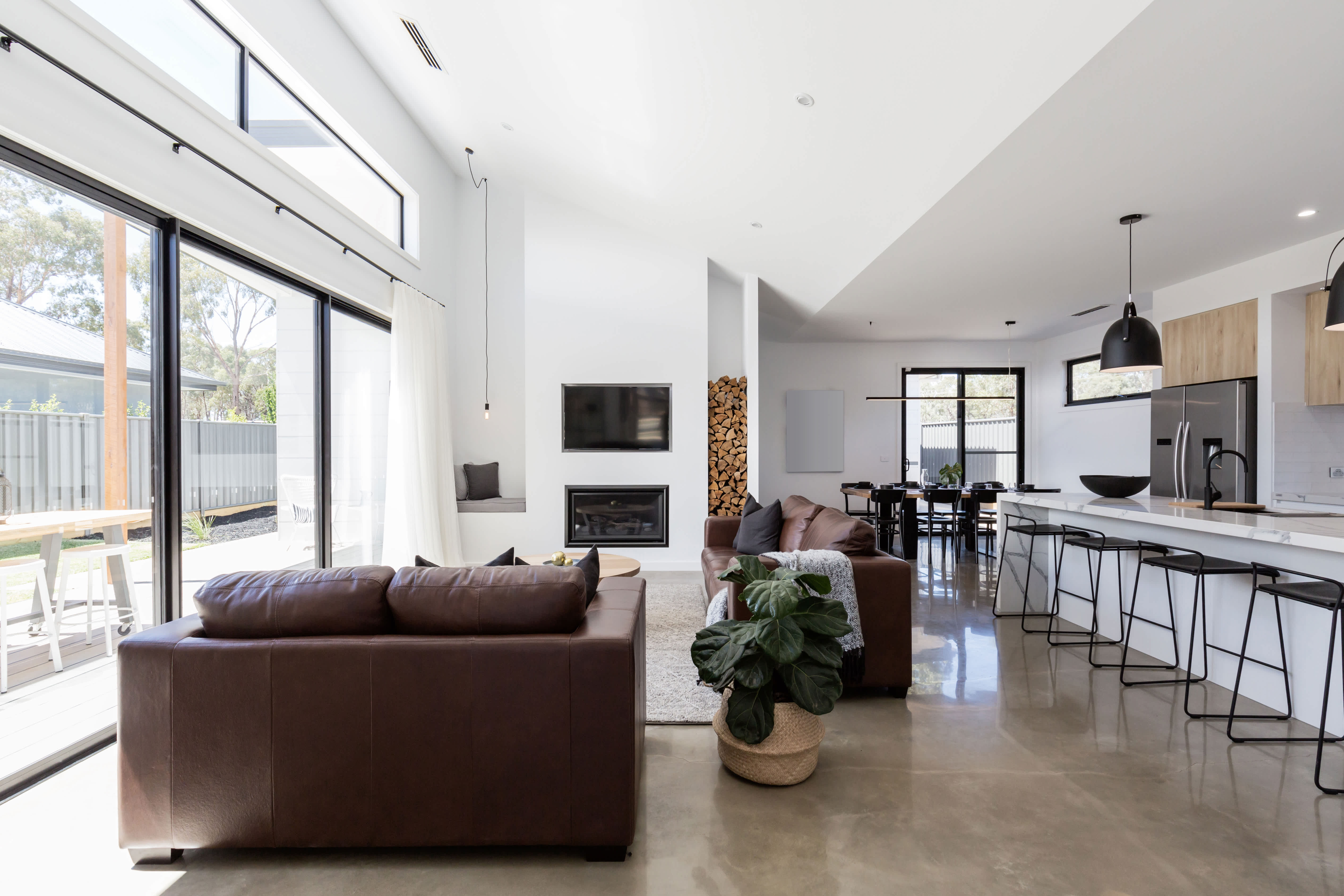
With so many types of polished concrete floors to choose from, you should first learn about the classes of grinding, levels of polishing, and color options.
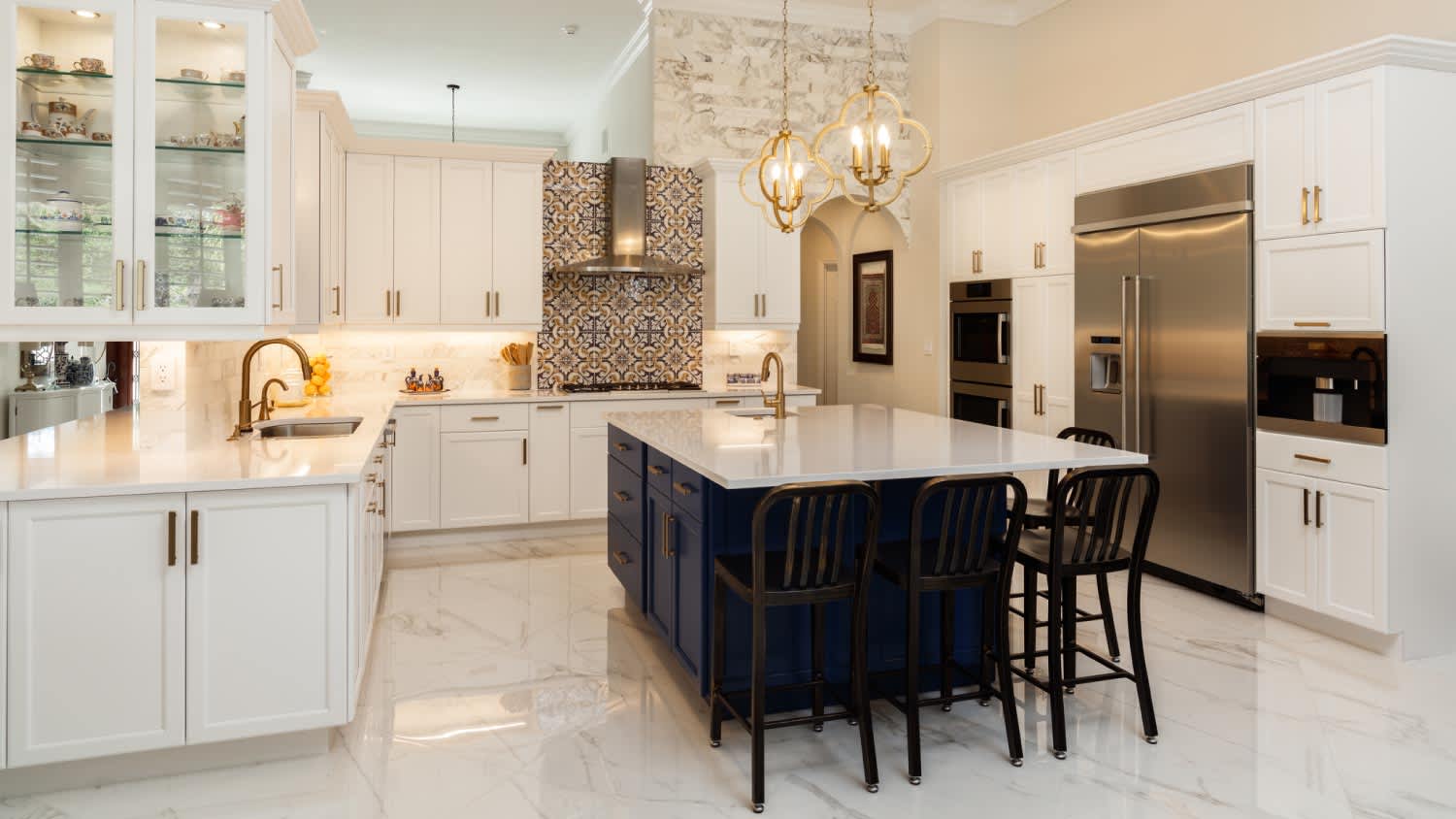
Dull marble floors got you down? This simple guide on how to polish marble floors can revive your floors to a flawless shine.
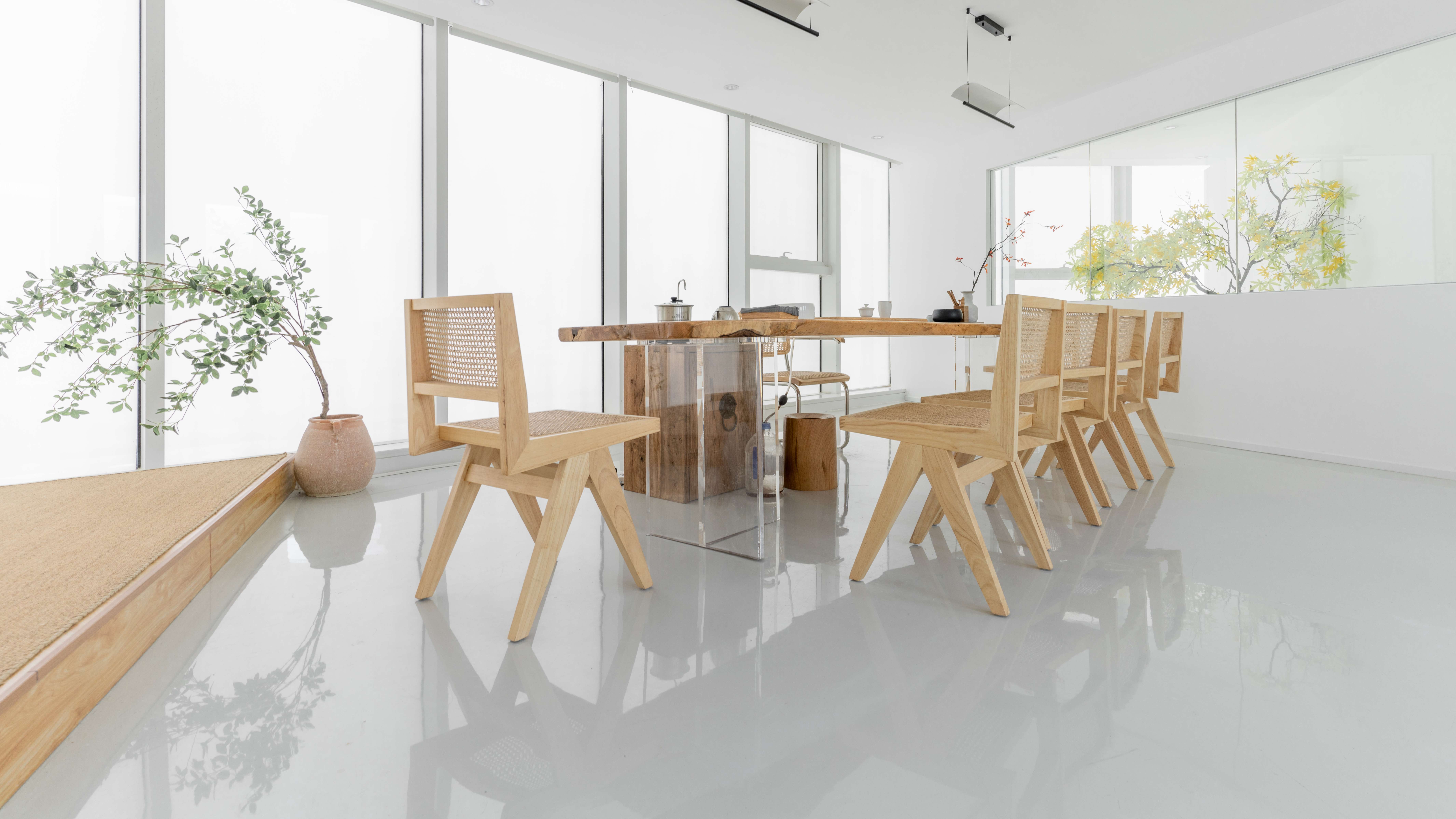
Faced with the shiny dilemma of polished concrete floors vs epoxy, you’ll need the details of cost, aesthetics, and durability to weigh and measure the winner.