

How much does marble flooring cost? We’ve got the answers about marble cost per square foot, types of marble, DIY cost, and more.
Make your marble floors sparkle and shine

Marble floor polishing requires safety gear like respirators and goggles, as breathing in stone dust from sanding creates serious health risks for your lungs.
Professional marble floor polishing costs $428 to $1,296 every few years, helping you maintain your floors without causing expensive damage from incorrect techniques.
You can restore shine by dry-mopping first, then damp-mopping with diluted ammonia, and finishing with a baking soda paste to polish your marble floors.
Hiring a local flooring company provides specialized equipment and commercial-grade polishing powder, helping you avoid scratches and damage while restoring your marble floors safely.
Marble flooring is a worthy investment that looks stunning after installation, but it may start looking dull and lackluster after weeks of foot traffic. Flooring installation costs make it worth a little elbow grease to restore the shine you fell in love with.
Although marble floors are durable, not just any cleaners will do; some chemicals and cleaning tools can damage the stone. Here is how to polish marble floors safely and make them look brand new again.
Marble may look and be associated with upscale abodes, but you can still spruce it up yourself. A little knowledge and willingness to use your muscle power will transform dulled floors. No matter which method you choose, make sure you have safety gear on hand, like a dust mask or respirator, gloves, and safety goggles. Breathing in stone dust is a big no-no, so take safety seriously.
No machinery? No problem. From dry mopping to wiping away greasy spots with cornstarch, there are multiple ways to polish marble floors manually.
To make your floors look new again, start by removing any dust accumulated on the floors. Pay close attention to corners or doorways where dust, dirt, and hair strands may gather. Use a soft cloth or dry mop, like a microfiber mop, to prevent scratching the floor. Dust or dry-mop in one direction to minimize any impact
For big impact with minimal effort, you can quickly clean and polish marble floors using water. If you have guests stopping by for an impromptu game night or the kids brought friends home after school, this is an easy way to polish your floors in a hurry.
Dry- or damp-mopping is the safest mopping option for marble. Marble is porous, so water will soak in and may leave water stains. To prevent damage, wring out the mop as much as possible before taking it to your floors.
For more sparkle, you can make a homemade cleaner with ammonia. Be sure to open up the windows and work in a well-ventilated space, as the ammonia fumes can cause headaches and respiratory problems. Dilute a half-cup of ammonia with one gallon of water. Damp-mop the floors with this solution after wringing out the mop well.
Water spots are the enemy of seemingly clean marble floors. Following up water or cleaners with a soft, dry cloth will keep water spots from clouding up those clean floors. Plus, some marble floors may contain iron oxide, which will rust if the water sits on the floors for too long.
For greasy spots on your marble floors, you can pour on some cornstarch to help absorb the oil. Once the cornstarch has soaked into the grease spill, rinse the area with water. Wipe the area dry with a soft cloth.
Conventional polish can damage marble floors. It may also make your floors too polished, creating a slipping hazard. You can still achieve high-end shine and make your floors magazine-worthy with an easy solution using a pantry staple: baking soda. Combine one part baking soda with one part water to make a paste. Apply the paste gently to the floors with a soft cloth, then rinse away with water. Dry with a clean, soft cloth or dry mop.
For very dull or damaged marble floors, you may want to buff and polish using a sanding machine and the wet method. This method requires more effort, but your floors will be even brighter. While you can manually polish marble more frequently, you will only need to polish them with a sander every few years, depending on foot traffic.
Before you start sanding, remove any old wax or sealant. Use a commercial sealant stripper that is safe for marble, and apply it with a soft brush or sponge that can withstand the solvents. Be sure to tape off the edges of the marble floors to prevent damaging baseboards or other nearby objects. You might need to remove any transition flooring strips, too.
Although you should typically avoid wetting marble floors, you will want to keep them wet throughout this sanding process to capture dust and reduce friction. Keep cold water handy to wet the floors before and during sanding.
Using sandpaper with about 120 grit (or the coarsest grit recommended for the machine), and after applying a small amount of water to the floor, begin sanding in a circular motion. Wipe away sanding dust with a damp sponge, and then repeat with higher-grit sandpaper, such as 300-grit.
Continue to apply small amounts of water as needed to capture dust, and wipe away any dust that the water does not capture. Finish with another pass using an even higher-grit sandpaper, around 600-grit. Make one final pass with the sponge to remove any remaining dust.
Use a dry mop to clean up any particles left behind after sanding to prepare for the final steps of polishing.
Add a commercial polishing powder to the floors, following the manufacturer’s instructions. Then, attach a microfiber polishing pad to the sanding tool. Use the polishing pad to buff the floors by moving in circular motions across small sections.

Dust, dust, and dust some more. To ensure your floors are gleaming, you will want to make another pass over the floors with a dry mop to remove any dust or debris, especially if you plan to follow up with a layer of sealant.
Once the floors shine, you may want to give them an extra layer of protection against stains and scuffs with a sealant. After polishing, consider adding a marble sealant following the manufacturer’s instructions.
Wear protective gear with this type of polishing, too. Consider upgrading to a respirator from a dust mask and wear safety goggles. Be prepared to wipe and dust everything down once finished.
You do not want any dust or debris on the marble while you sand. Apply a marble-safe cleaner
Dry-polishing marble floors involves a rented sanding tool or an orbital sander, but even a drill fitted with a sanding pad will work. Orbital sanders are a good choice because they automatically move, reducing your chances of holding the sander in one area and damaging the floor. Once you have attached a sanding pad, apply gentle pressure and move the sander in a back-and-forth motion to create a gentle arc.
Pads and clean the entire floor. Use a soft (dry or slightly damp) cloth to wipe away any remaining debris or cleaner.
You can use a silicone-carbide sandpaper designed for stone polishing or diamond polishing pads. If you use silicone carbide, start with a 24- to 60-grit sandpaper. You will gradually use 120, 220, 320, and so on until you reach 1000-grit paper.
For diamond polishing pads, start with a 50- to 100-grit pad and progressively work your way to a very fine grit of around 3000. Complete the entire floor with a single grit before moving to a finer grit
Use a utility vacuum to remove as much dust as possible in between passes when changing grits. Only use a vacuum with a soft brush to avoid scratches.
After you have used the finest grit sandpaper or polishing pad and thoroughly cleaned the floor with a vacuum and marble cleaner, seal the marble to protect it from liquids and spills.

Marble is a porous natural stone, meaning it easily absorbs moisture. Everything from water on a mop to spilled coffee can soak into marble’s surface, leaving behind stains and discoloration that make it look dull.
Marble is also vulnerable to stone etching, which is damage caused when acidic substances, like vinegar or lemon juice, come into contact with the stone. Dirt, debris, or abrasive cleaning tools can scrape and scratch up marble floors, allowing the surface to collect more dust and lose its luster.
Marble is long-lasting, but it can dent, scratch, or erode when you use certain cleaners and cleaning tools. Luckily, while the cost of marble flooring can be a big investment, cleaning and polishing these floors primarily requires low-cost cleaning solutions.
Opt for cleaners meant for marble or homemade solutions. Always use non-acidic cleaners, meaning you should skip adding vinegar or lemon juice to homemade cleaners. Homemade cleaning solutions can include plain water, diluted ammonia, a baking soda paste, or cornstarch.
Whether your floors are concrete, linoleum, hardwood, or epoxy, always test the cleaner on a small inconspicuous area before cleaning the whole floor. If you happen to have a separate piece of the marble, you can test cleaners and polishing techniques on that.
Marble has a reputation for being long-lasting, but it is surprisingly vulnerable, especially to moisture and scratches. If you want your marble floors to last a lifetime, give them plenty of TLC.
Simply cleaning your marble floors regularly can keep them looking good for years to come. Plan to dust or dry-mop floors at least a few times a week. Avoid using abrasive tools for cleaning, like brooms or scrub brushes, which may scratch marble.
Allowing the floors to air-dry can leave behind water spots or discoloration. After damp-mopping, use a dry cloth to dry off the marble to prevent the water from soaking into the porous flooring, which can dull it.
While you want your marble floors to be the star of the show, you may still want to cover parts of the floors with mats and rugs, especially for high-traffic areas like entryways. That way, the rugs can catch dirt, debris, and water from shoes, keeping tiny twigs or rocks from scratching the marble surface and water from pooling.
A sealant helps prevent liquids from penetrating marble. This one protective method can prevent all kinds of damage. If you add a marble sealant, be sure to reapply it once per year.
Professional stone restoration costs about $50 to $75 per hour. Restoring marble flooring costs about $2.60 per square foot for chemical cleaning and polishing. In total, you will probably pay about $400 to $1,200 every few years for a pro to restore and polish your marble floors.
Manually polishing marble costs less than $25 for marble cleaner or other supplies, like ammonia or baking soda. Renting a sanding tool to polish marble floors will cost about $60, plus about $10 to $30 for sandpaper and polishing pads. Polishing marble floors will also require a few hours of your time.
If you do not have time to spend shining your marble floors or if you are concerned about damaging the natural stone, call a local flooring company to find an experienced professional.
If you’re good people wanting to do business with good people, hire Matt. He is a consummate professional and utterly competent. He installed a water heater in my home at a price that beat competitors by hundreds of dollars with a promise to support the unit for its life (even after its 6 yr...
 Greene's Plumbing Services
Joseph did a great job with the staircase and trim. Timely and efficient, clear communication about the work, very fair pricing. For the stairs in particular, done very skillfully in an old house (1893) in a tight spiral, and very creative with how to do the handrail. Did a nice job with...
 Vouis Trim Carpentry L.L.C.
This company does it right. Firstly, I want to say that Landan was a joy to work with. He was so kind, transparent, and had everything under control. His entire team showed up ready to work and they were all very respectful of the fact that we were in an office space. A little backstory – we...
 Krumlauf Floors
Finished Basements Plus was wonderful from beginning to end! First, they came out quickly for an estimate. I had 4 estimates and theirs was by far the best. (2 of the estimates were more than $20K higher than for the exact same work). Beyond their fair pricing, the work was excellent. They...
 Finished Basements Plus Inc.
Very professional, knowledgeable and helpful! Completed the install on time and as expected.
 Ward's Services
Excellent, Prompt, Courteous Service!!! They were super friendly and quite personable. I felt very comfortable with the gentlemen that did the installation. They installed it exactly where I asked them to and they did an excellent job!! I loved their service so much.
 Tether House
Window Depot did an amazing job installing the windows in my basement! The process from start to finish was by far more than what I expected. I would highly recommend Window Depot if you want professionalism from the the consultation to the installation. Dont settle for mediocre when you can...
 Window Depot USA of Central Ohio
AFS was excellent from start to finish. Jess, the sales associate, was fantastic...very knowledgeable and very professional. The installation crew was excellent. I couldn't be more pleased with the process. Best of all, my new floor looks fantastic!
 America's Floor Source
We were having 2”x 2” tile installed . There was a small installation error and the new additional replacement tile was from a different lot and the colors didn’t match. Joe assured us that he would rectify everything , which he did without hesitation. We decided to go with the 18” x 36” tile...
 CarifaTile
Did an amazing job transforming my yard. Also installed sod in places, would recommend to everyone.
 Cardinal Landscaping & Construction LLC
From average costs to expert advice, get all the answers you need to get your job done.
How much does marble flooring cost? We’ve got the answers about marble cost per square foot, types of marble, DIY cost, and more.
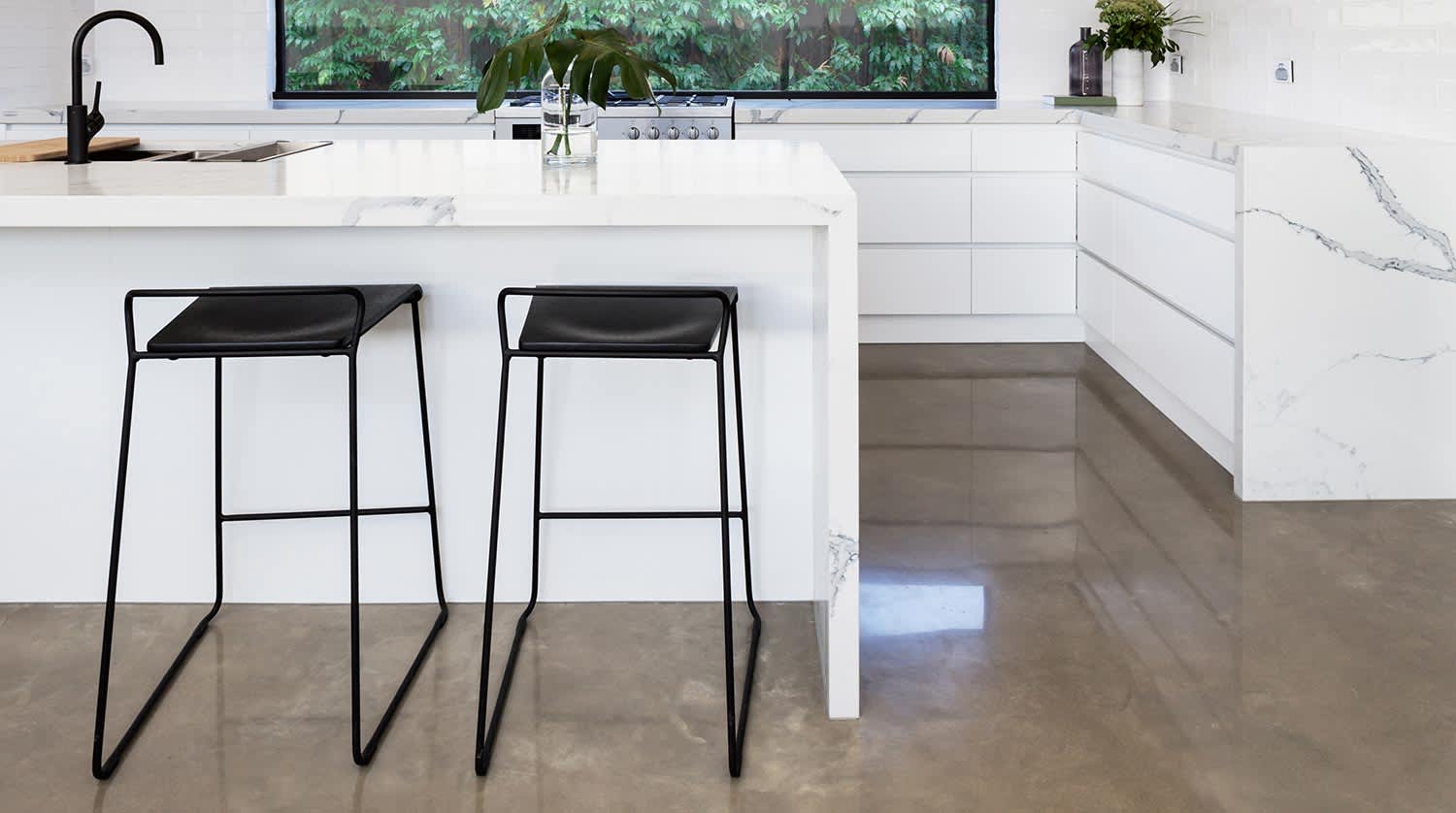
Discover the cost to polish concrete floors, including price ranges, key cost factors, and tips to help you budget for your next flooring project.

Discover natural stone flooring costs for your home. Learn about material, labor, and installation factors to budget confidently for your flooring project.
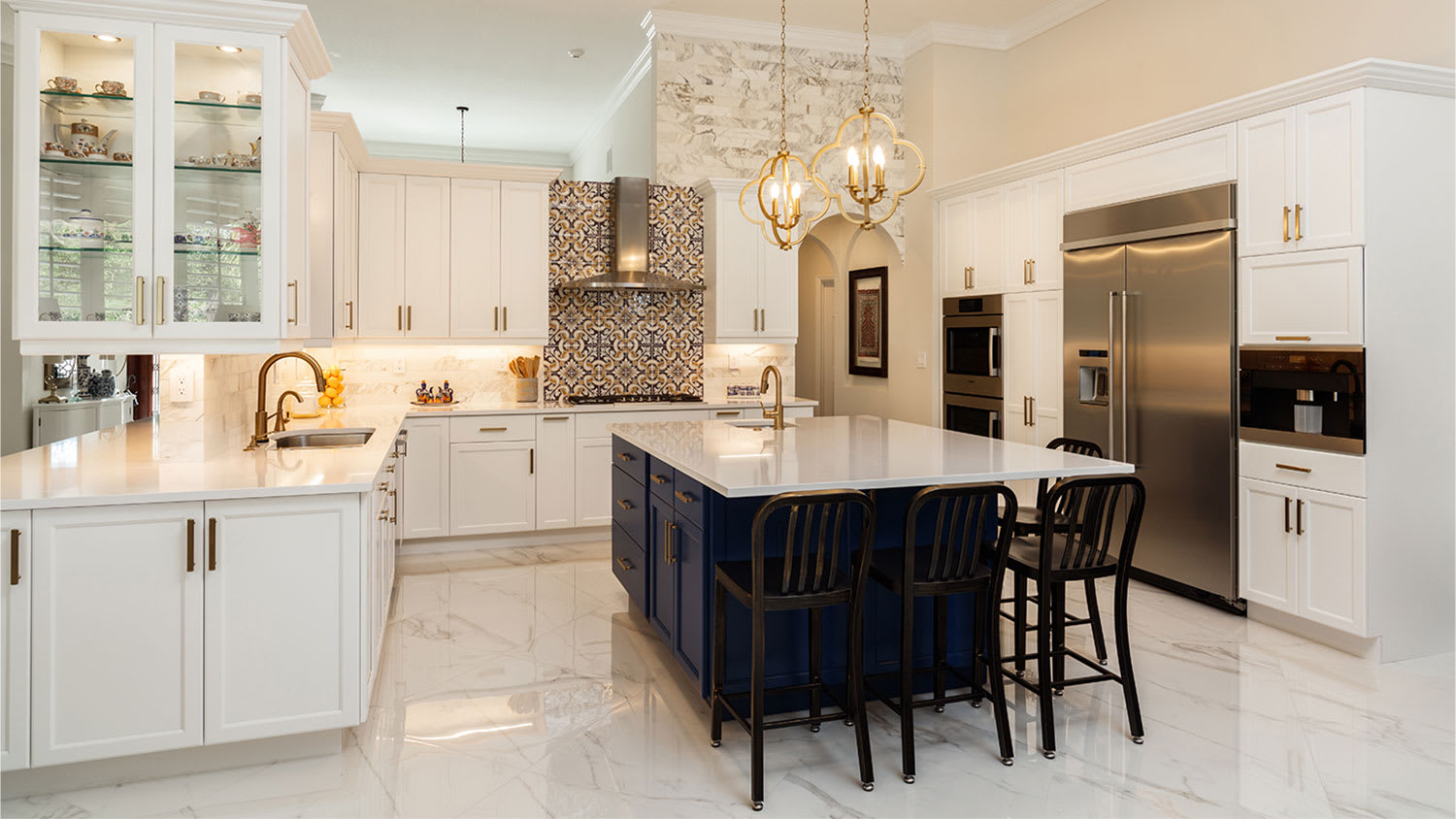
The glimmer of marble floors is enticing but it takes some work to keep them that way. Learn how to clean marble floors to keep yours sparkling.
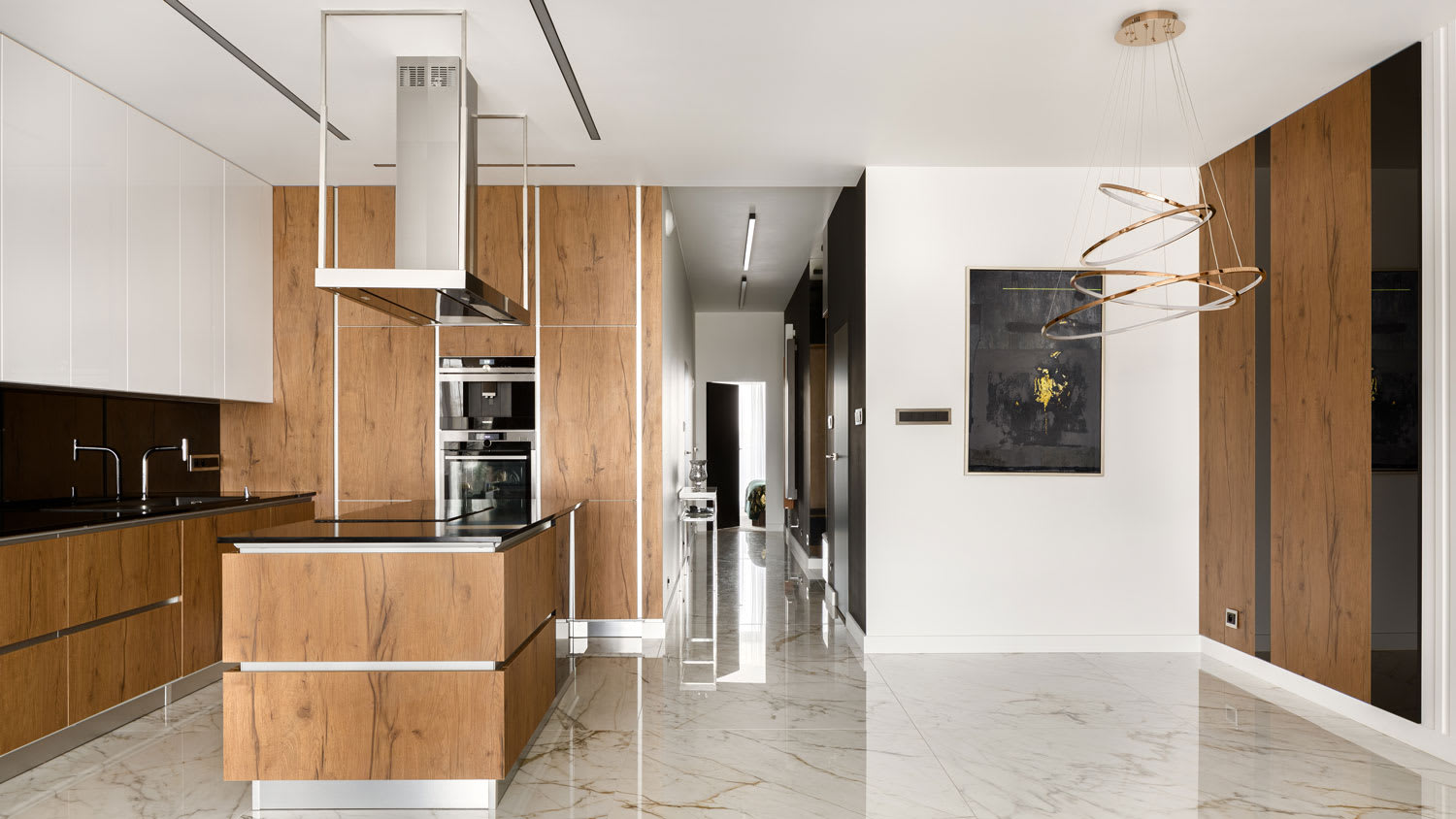
Selecting flooring is no easy feat. If you’ve been contemplating installing marble flooring, we've got your back with the ultimate list of pros and cons.

Not sure how to clean marble in your home? From floors and tables to countertops and showers, learn how to make marble shine and fix stains and scratches.