


Top-rated electricians.

Get matched with top electricians in Greenville, GA

Enter your zip and get matched with up to 5 pros

Need a pro for your electrical service project in Greenville, GA?

Select your specific project to find the pro for you.

TRUSTED BY GREENVILLE, GA HOMEOWNERS

  • Average homeowner rating star icon4.6
    Average homeowner rating
  • Verified reviews icon49
    Verified electrical services reviews

Find Electricians in Greenville

Avatar for W B Lightning Rods
W B Lightning Rods
4.6(
372
)
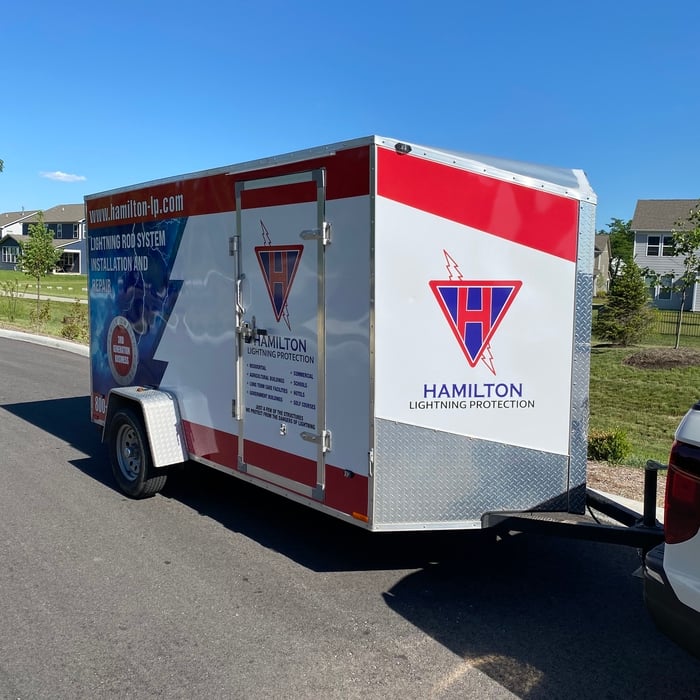
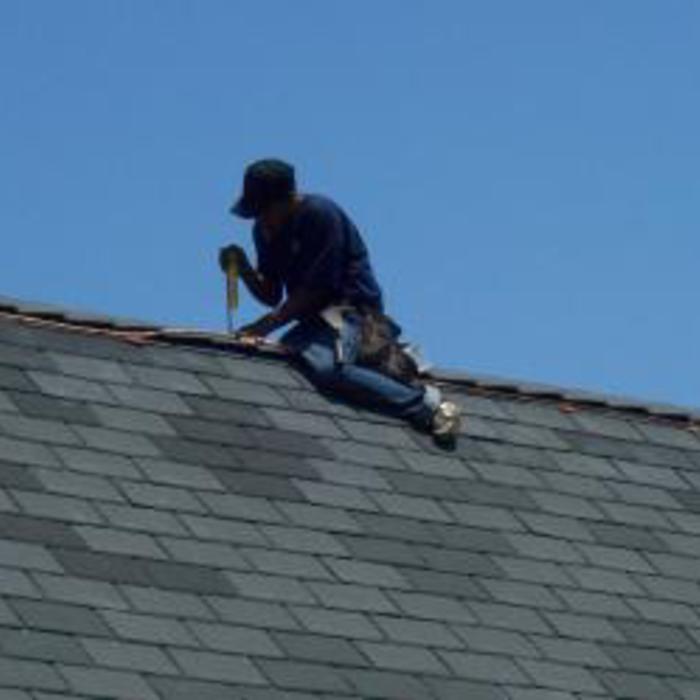
Lightning Protection - Install or Repair

Serving Greenville, GA and surrounding areas

Approved

In business since 2001

Free estimates

Warranties offered

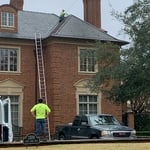
"WB Lightning Rods did an excellent job installing lightening rods on our home. The owner stayed onsite the entire time to supervise the work. He took extra care to plan the rod and cable placement to ensure the proper protection and retain the aesthetics of our home. His crew were knowledgeable, polite, neat and efficient. We could not be more pleased with the results."
lightning protection
 Residential LPS
lightning protection
 Residential LPS
lightning protection

+79

Response time1 day
182 neighbors recently requested a quote
Recommended by96%of homeowners
Avatar for Premier Lightning Protection
Premier Lightning Protection
4.9(
28
)
Lightning Protection - Install or Repair

Serving Greenville, GA and surrounding areas

Approved

In business since 1959

Free estimates

Warranties offered

"Patrick is great to work with. He was punctual and very patient to answer all my questions. I would highly recommend doctor boom for lightning rod installation."
Residential Install
Residential Install
Residential Install
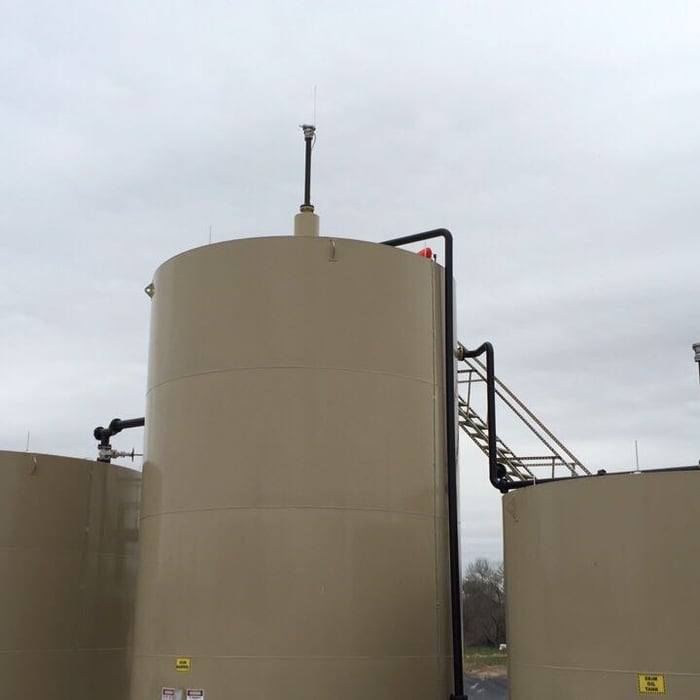
SWD Tank
SWD Tanks

+2

Response time2 days
5 neighbors recently requested a quote
Recommended by95%of homeowners
Avatar for Truscape, LLC
Truscape, LLC
5.0(
4
)
Outdoor Lighting - Plan and Install

Serving Greenville, GA and surrounding areas

Approved

In business since 2022

Free estimates

Warranties offered

When you work with TruScape LLC, you’re working with a landscaping company that is fueled by a genuine passion for the work that we do.\n\nAfter years of managing both landscaping and hardscape projects – including everything from small residential jobs to massive commercial contracts – the owner and operator of TruScape LLC has the knowledge and experience necessary to make the vision that you have for your outdoor spaces into a reality.\n\nTruScape LLC’s passion, commitment to professionalism, and our extensive experience with both landscaping and hardscaping work empowers us to work wonders for our customers.

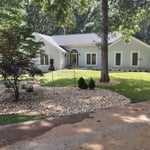
Landscaping Project
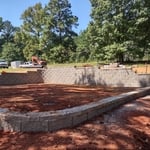
Retaining wall/patio build
Donna Boyd
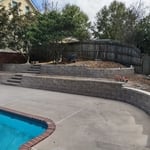
2 tier retaining wall
Paver patio add on

+50

5 neighbors recently requested a quote
Recommended by100%of homeowners

...
Showing 1-10 of 132
Electrical questions, answered by experts

Yes, one wire is always hot on the 3-way switch, meaning it carries the electricity from the power source to the switch. If you have a 3-wire cable in your home, you have two hot wires, or line wires, coming from the power source. Typically, you’d connect the hot black wire from the power source to the traveler wire and the hot red wire from the power source to the first 3-way switch. For the second 3-way switch, you’d then connect the hot black traveler wire to the switch.

Yes, but our analogy with the water hose doesn’t really work here. You see, electrical flow isn’t constant: It ebbs and flows like waves, coming in pulses of power. Hertz measures the rate of change in the flow of electricity, or how often it ebbs and flows. For example, 60Hz means that the electrons pulse through wiring 60 times per second. When they are pulsing, they’re in a brief retreat. Almost all United States equipment is rated for 60Hz.

How far you can run underground electric depends on the wire gauge (generally AWG) and the circuit voltage. Too much voltage drop in an electrical circuit can negatively affect performance, so the smaller the voltage drop, the better. Ideally, it shouldn't exceed 3%. The smaller the wire and the longer the run, the more significant the voltage drop. 

For example, with a 120-volt circuit, you can run 60 feet of 12 AWG cable without losing more than 3% voltage. With a 240-volt circuit, you can run 120 feet of 12 AWG wire while maintaining a voltage drop of 3% or less.

The total cost to install a 120V outlet will depend on the type of outlet you choose, labor costs, and any customizations. Standard 120 volt outlets usually cost $3 to $5 each. But say, for example, you customize your 120V outlets with USB ports, you’ll end up paying a bit more at $13 to $22 per outlet. When it’s all said and done, you can expect to pay around $175 for each new 120V outlet and $125 each for replacement.

Yes, hot tubs can use a significant amount of electricity, primarily to keep the water heated. A typical hot tub uses between 1,500 and 6,000 watts, and the pump can add another 1,500 watts. This usage can result in a monthly cost of around $20 to $30. The exact amount of electricity consumed depends on several factors, including the hot tub's age, size, heater voltage (120V vs. 240V), usage habits, and thermostat setting. Newer, energy-efficient models generally use less power than older ones. To reduce electricity costs, consider investing in an energy-efficient model, using a quality insulated cover with a thermal blanket, and keeping the filters clean.
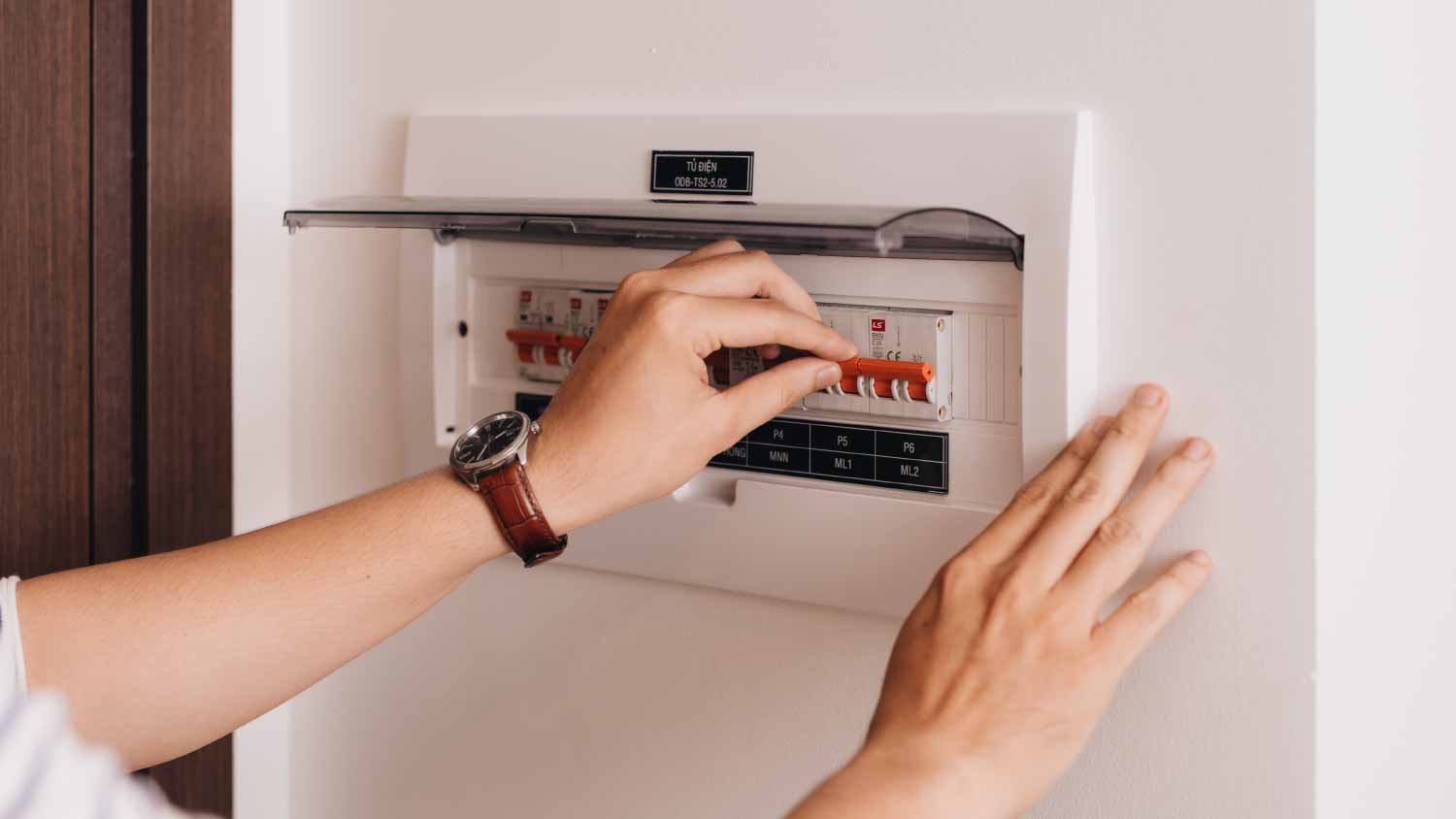
The Greenville, GA homeowners’ guide to electrical services

From average costs to expert advice, get all the answers you need to get your job done.