




Top-rated backsplash installation pros.

Get matched with top backsplash installation pros in Greenville, GA

Enter your zip and get matched with up to 5 pros

Need a pro for your backsplash installation project in Greenville, GA?

Select your specific project to find the pro for you.

TRUSTED BY GREENVILLE, GA HOMEOWNERS

  • Average homeowner rating star icon4.6
    Average homeowner rating
  • Verified reviews icon48
    Verified backsplash installation services reviews

Find Backsplash installation pros in Greenville

...
Showing 1-10 of 80
Backsplash Installation questions, answered by experts

On average, tiling a bathroom involves about 12 hours of labor, usually spread over two to three days to accommodate prep work and curing times. A professional tiler can often complete the installation in 6 to 8 hours, whereas a DIYer might take 10 to 16 hours. The total project time is influenced by factors like the bathroom layout, tile type, and necessary prep work, such as removing old tile. The process includes specific timelines for different areas; for example, tiling a floor takes about six hours, while a shower area can take six to ten hours. It is essential to allow for adequate curing time—typically 24 hours each—for the mortar, grout, and caulk, which is why the project extends over several days.

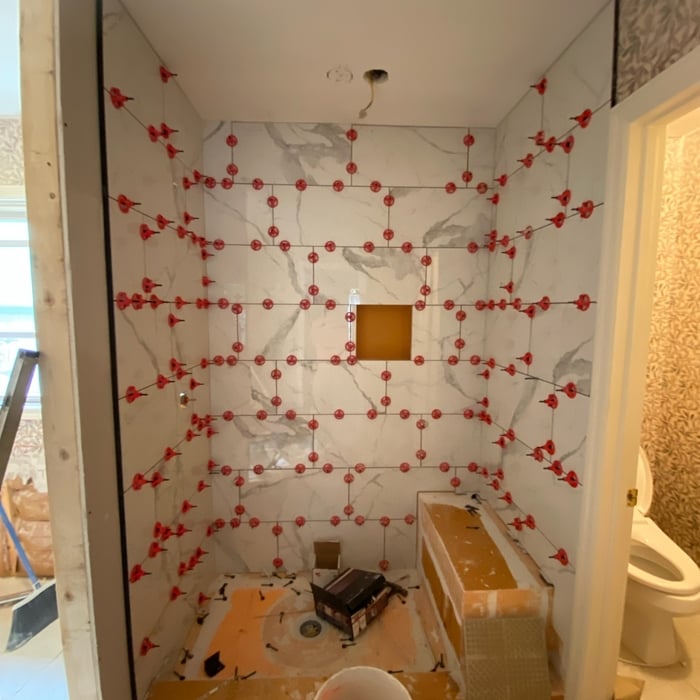
Uniform spacing between tiles is important for a professional and clean appearance. To achieve this spacing, tile spacers should be placed between the tiles and left in place until the mortar hardens and the tiles are secure. You can use X-shaped spacers vertically in between the tiles and laid flat at the corners.

When working on your bathroom floor tiling, you should always tile the floor first and then refit the toilet afterward. This has both practical and visual advantages—the tile will have a better seal, and the installation will look cleaner.

On the other hand, when you try to cut the tiles to fit around the toilet, you’re putting yourself at a disadvantage. It’s a lot more work, it’s hard to be precise, and mistakes or miscalculations can lead to future moisture damage to the tiling, grout, and subfloor.

Natural stone tiles are durable, heat-resistant, and add timeless elegance to floors, walls, and countertops.

Yes, cracked tiles allow water to seep through the substrate or subfloor, leading to mold and mildew growth. It can also cause severe structural damage. At the very least, water damage can cause your tile to lift from the substrate, meaning one cracked tile can lead to several cracked tiles. It’s a good idea to waterproof tile in areas with direct water exposure or lots of moisture.

The Greenville, GA homeowners’ guide to backsplash installation services

From average costs to expert advice, get all the answers you need to get your job done.