




Top-rated electricians.

Best electricians near Warm Springs, GA

Enter your zip and get matched with up to 5 pros

Need a pro for your electrical service project in Warm Springs, GA?

Select your specific project to find the pro for you.

TRUSTED BY WARM SPRINGS, GA HOMEOWNERS

  • Average homeowner rating star icon4.7
    Average homeowner rating
  • Verified reviews icon24
    Verified electrical services reviews

Top-Rated Electricians in Warm Springs - Updated Nov 2026

Avatar for W B Lightning Rods
W B Lightning Rods
4.6(
372
)
Lightning Protection - Install or Repair

Serving Warm Springs, GA and surrounding areas

Approved

In business since 2001

Free estimates

Warranties offered

"WB Lightning is focused on customer service. The company provided good communication and responded very quickly to my inquiry for a quote. WB Lightning is a respected company, I had another electrical service provider tell me I made a good choice when I hired WB Lightning Rods."
lightning protection
 Residential LPS
lightning protection
 Residential LPS
lightning protection

+79

Response time1 day
107 neighbors recently requested a quote

Recommended by96%of homeowners
Avatar for Premier Lightning Protection
Premier Lightning Protection
4.9(
28
)
Lightning Protection - Install or Repair

Serving Warm Springs, GA and surrounding areas

Approved

In business since 1959

Free estimates

Warranties offered

"Patrick is great to work with. He was punctual and very patient to answer all my questions. I would highly recommend doctor boom for lightning rod installation."
Residential Install
Residential Install
Residential Install
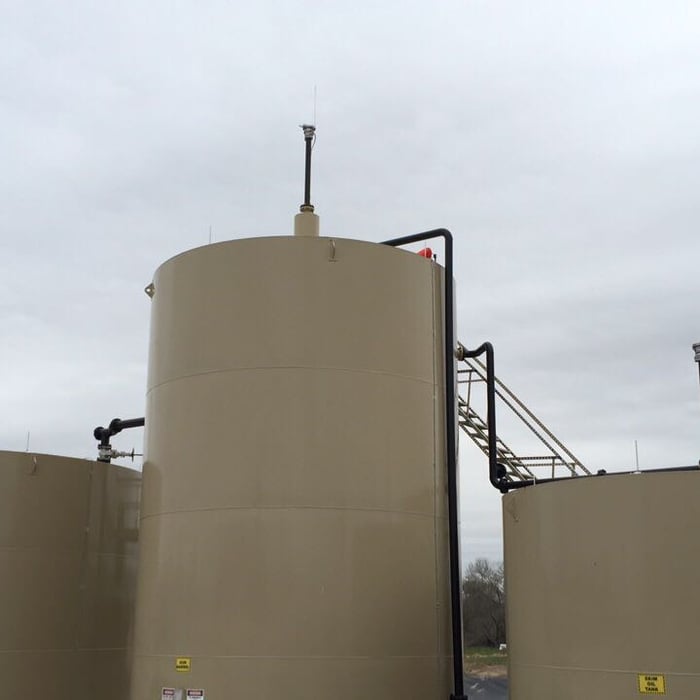
SWD Tank
SWD Tanks

+2

Response time2 days
2 neighbors recently requested a quote
Recommended by95%of homeowners
...
Showing 1-10 of 119
Electrical FAQs, answered by experts

GFCI outlets help prevent dangers from ground faults that can cause shocks. This is a different issue that a ground circuit can’t fully address. It’s best to use GFCI outlets combined with ground circuits for complete protection for you and your electronics.

While most electrical items can be plugged into a GFCI outlet, some appliances with internal or stationary motors, such as refrigerators, vent fans, and fluorescent lighting, can cause nuisance tripping. This happens because they experience a small, normal amount of current leakage, which can cause the GFCI to trip even when the appliance is working correctly. Although this is not a safety hazard, it can be inconvenient and may cause the GFCI outlet to wear out faster. For this reason, it is often better to plug these types of appliances into a standard outlet. Additionally, electrical circuits over 100 feet long can sometimes cause tripping. Some appliances, like hair dryers, have their own built-in GFCI protection, so connecting them to a standard outlet is fine.

DIY is not recommended for commercial settings due to safety regulations. Hire licensed professionals for compliance.

Yes, most electric and automatic gates can be opened manually. They are equipped with a manual override or release mechanism that detaches the motor from the gate, allowing it to be moved by hand. This feature is essential during power outages or other emergencies.

To activate the manual override, you will typically need a specific key or tool. In some cases, you may also need a screwdriver to remove a cover to access the release mechanism. The use of a key is a common security measure to prevent unauthorized individuals from manually opening the gate.

Because every model is different, it is highly recommended to consult your gate's user manual to familiarize yourself with the specific procedure before you need to use it. Keep any necessary keys or tools in an accessible location. Be aware that automatic gates can be very heavy, so opening and closing them manually may be difficult.

In North America, electric gates are also subject to the UL 325 Standard for Safety, which includes provisions to allow emergency responders to access the property.

Yes, blue wires can be hot wires in the U.S. However, they are less common in residential properties than red and black hot wires. Blue wires are typically used as traveler wires in three-way and four-way switches, as well as ceiling fans. They allow fixtures to be controlled by multiple switches, like when there are switches at the top and bottom of a staircase for the same light.

The Warm Springs, GA homeowners’ guide to electrical services

From average costs to expert advice, get all the answers you need to get your job done.