


Top-rated electricians.

Get matched with top electricians in Talbotton, GA

Enter your zip and get matched with up to 5 pros

Need a pro for your electrical service project in Talbotton, GA?

Select your specific project to find the pro for you.

TRUSTED BY TALBOTTON, GA HOMEOWNERS

  • Average homeowner rating star icon4.9
    Average homeowner rating
  • Verified reviews icon15
    Verified electrical services reviews

Find Electricians in Talbotton

Avatar for Hamilton LP Lightning Rods
Hamilton LP Lightning Rods
5.0(
11
)

Serving Talbotton, GA and surrounding areas

Approved

In business since 1964

Free estimates

Offers commercial services

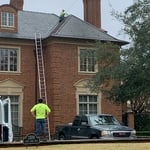
"The install was scheduled and completed quickly. The lightning rods and cable look neat and tidy along the roof. Mr. Hamilton was friendly and efficient."
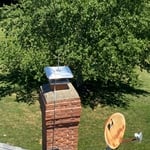
Chimney rod and conductor cable
Front of home,system is barely noticeable
Hiding the cables best we can
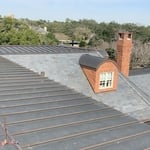
Rear of home
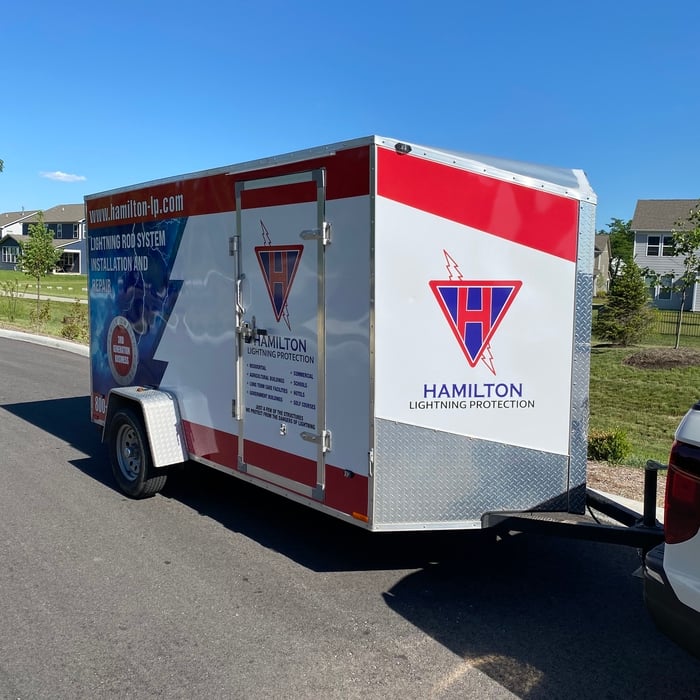
Work trailer

+4

Response time1 day
39 neighbors recently requested a quote

Recommended by100%of homeowners
Avatar for Premier Lightning Protection
Premier Lightning Protection
4.9(
28
)

Serving Talbotton, GA and surrounding areas

Approved

In business since 1959

Free estimates

Warranties offered

"Patrick is great to work with. He was punctual and very patient to answer all my questions. I would highly recommend doctor boom for lightning rod installation."
Residential Install
Residential Install
Residential Install
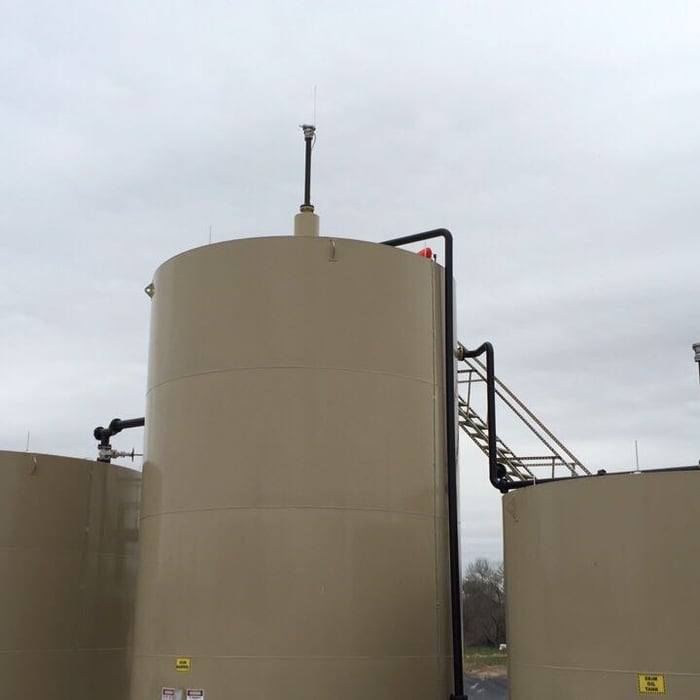
SWD Tank
SWD Tanks

+2

Response time2 days
9 neighbors recently requested a quote

Recommended by95%of homeowners
Avatar for W B Lightning Rods
W B Lightning Rods
4.6(
367
)

Serving Talbotton, GA and surrounding areas

Approved

In business since 2001

Free estimates

Warranties offered

"WB Lightning Rods did an excellent job installing lightening rods on our home. The owner stayed onsite the entire time to supervise the work. He took extra care to plan the rod and cable placement to ensure the proper protection and retain the aesthetics of our home. His crew were knowledgeable, polite, neat and efficient. We could not be more pleased with the results."
lightning protection
 Residential LPS
lightning protection
 Residential LPS
lightning protection

+79

Response time1 day
120 neighbors recently requested a quote
Recommended by98%of homeowners
...
Showing 1-10 of 91
Electrical questions, answered by experts

Electric bills tend to be lower in spring and fall because people use less electricity during these seasons. Milder temperatures allow for less use of heating and cooling, unlike during winter and summer, which usually bring more extreme temperatures.

Wire color codes vary depending on the region. For instance, the United Kingdom has updated its wiring codes to match Europe's color system. The United States wiring color code is different, as is Australia's. Because the color code system isn’t universal, it’s essential to hire an experienced electrician to perform any electrical work to ensure it is done correctly.

If you need to run a wire from the meter to the breaker box, start by turning off the power using the main switch to avoid injury risks from live wires. Then, locate the ground wire from your meter and connect it to the ground bar of the breaker box. Connect the neutral wire using the same method to improve your circuit efficiency.

Next, locate the hot wires running from the main switch to the meter. To connect them to the correct terminals from meter to breaker, unscrew the nuts of the breaker hotwire terminals, insert the positive hotwire, and ensure it’s firmly attached. Finally, secure the wires with electrical tape and wire tie cables before re-securing your breaker box. Keep in mind that this process can be dangerous, so don’t hesitate to hire a local electrician.

If the electrical wires you’re working with are too short, one of the easiest ways to elongate it is to extend them with a push-in connector. These user-friendly tools help you splice two wires together with little fuss or the need for extra tools, like a crimping tool, which is an older way of extending wires. As long as you can stripe the ends of a wire, using a push-in connector shouldn’t be an issue.

When converting a standard 120-volt outlet to a 240-volt outlet, the only components you can typically reuse are the existing electrical box and the hole in the wall. Everything else—including the wiring, breaker, and receptacle—should be replaced to ensure both safety and efficiency. Appliances designed for 240 volts have different plug configurations that won’t fit into a standard 120-volt outlet, making it necessary to install a compatible 240-volt receptacle. This design helps prevent overloading or underloading the power available to any one outlet or circuit.

The Talbotton, GA homeowners’ guide to electrical services

From average costs to expert advice, get all the answers you need to get your job done.