





Top-rated electricians.

Get matched with top electricians in Manchester, GA

Enter your zip and get matched with up to 5 pros

Need a pro for your electrical service project in Manchester, GA?

Select your specific project to find the pro for you.

TRUSTED BY MANCHESTER, GA HOMEOWNERS

  • Average homeowner rating star icon4.5
    Average homeowner rating
  • Verified reviews icon28
    Verified electrical services reviews

Find Electricians in Manchester

Avatar for Premier Lightning Protection
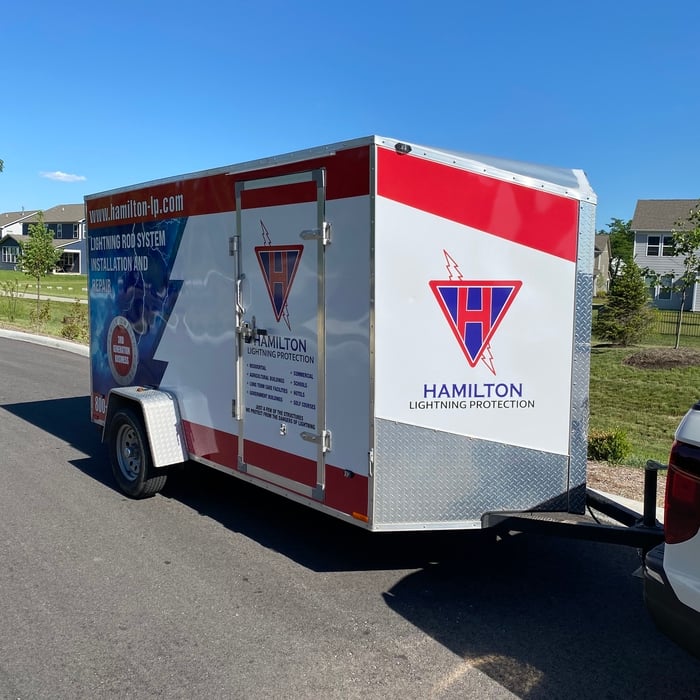
Premier Lightning Protection
4.9(
28
)
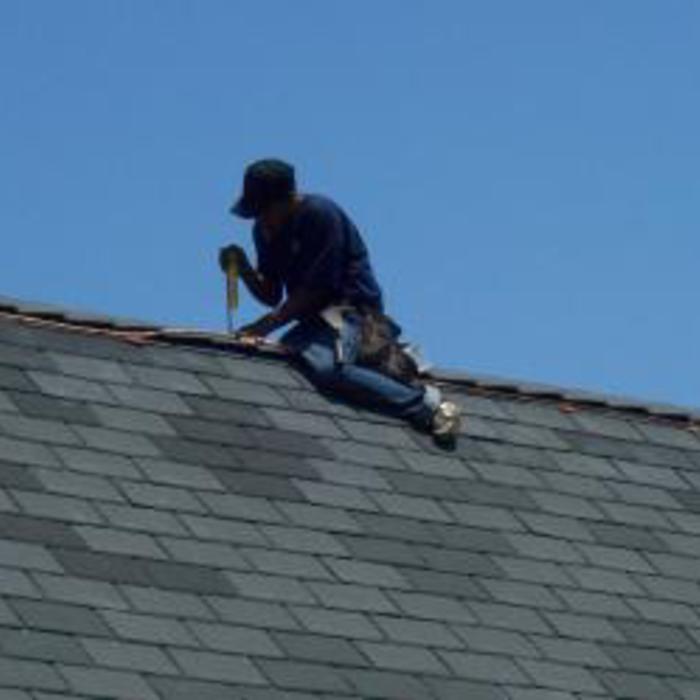
Lightning Protection - Install or Repair

Serving Manchester, GA and surrounding areas

Approved

In business since 1959

Free estimates

Warranties offered

"Patrick is great to work with. He was punctual and very patient to answer all my questions. I would highly recommend doctor boom for lightning rod installation."
Residential Install
Residential Install
Residential Install
SWD Tank
SWD Tanks

+2

Response time2 days
6 neighbors recently requested a quote

Recommended by95%of homeowners
Avatar for W B Lightning Rods
W B Lightning Rods
4.6(
367
)
Lightning Protection - Install or Repair

Serving Manchester, GA and surrounding areas

Approved

In business since 2001

Free estimates

Warranties offered

"WB Lightning is focused on customer service. The company provided good communication and responded very quickly to my inquiry for a quote. WB Lightning is a respected company, I had another electrical service provider tell me I made a good choice when I hired WB Lightning Rods."
lightning protection
 Residential LPS
lightning protection
 Residential LPS
lightning protection

+79

Response time1 day
143 neighbors recently requested a quote
Recommended by98%of homeowners
...
Showing 1-10 of 116
Electrical questions, answered by experts

The Occupational Safety and Home Administration (OSHA) requires an electrical panel to have a minimum of three feet (36 inches) of room from the front of the panel to the closest obstacle. In this case, the word obstacle refers to nearly everything, including walls, machines, and other fixed objects. Additionally, panels require at least 6½ feet of headroom in the area directly in front of the fixture. These requirements help ensure safe use of the panel and allow electricians plenty of room to work.

It can be safe to buy or live in a house with knob and tube (K&T) wiring, but only if the system is in good condition, functional, and has been thoroughly inspected and approved by a licensed electrician. Never purchase a home with K&T wiring without getting a professional electrical inspection first.

Key considerations include:

  • Safety and Condition: An inspector will verify that the wiring is safe and has not deteriorated. Over time, the insulation can wear away, leaving exposed wires that pose a significant fire or shock hazard.

  • System Capacity: The electrical service should be at least 60 amps. However, even at this capacity, K&T systems often struggle to handle the demands of modern appliances and electronics.

  • Lack of Grounding: Knob and tube wiring is an ungrounded system, which is a safety concern for many modern devices.

  • Ongoing Maintenance: If you live in a home with K&T wiring, it's recommended to have it inspected by an electrician every one to two years to ensure it remains in safe working order.

Ultimately, any inspection or modification of a knob and tube system should always be performed by a certified professional.

You can bury underground electrical wire six inches deep—but only if you use a rigid metal electrical conduit. For rigid, non-metallic conduits, bury the wire at least 12 inches deep. If using an underground feeder cable rated for direct burial, you'll need to place it at least 18 inches deep, as it has no conduit for extra protection.

Amps describe the amount of energy that can flow through a circuit breaker. Every electrical device that’s attached to the breaker requires about 1.5 amps. While that equates to roughly 13 receptacles per 20 amps, using slightly fewer ensures that your circuit will always have enough energy for sudden power surges instead of tripping when one occurs. In general, 10 to 12 receptacles is recommended for a 20 amp circuit.

Yes, most electric and automatic gates can be opened manually. They are equipped with a manual override or release mechanism that detaches the motor from the gate, allowing it to be moved by hand. This feature is essential during power outages or other emergencies.

To activate the manual override, you will typically need a specific key or tool. In some cases, you may also need a screwdriver to remove a cover to access the release mechanism. The use of a key is a common security measure to prevent unauthorized individuals from manually opening the gate.

Because every model is different, it is highly recommended to consult your gate's user manual to familiarize yourself with the specific procedure before you need to use it. Keep any necessary keys or tools in an accessible location. Be aware that automatic gates can be very heavy, so opening and closing them manually may be difficult.

In North America, electric gates are also subject to the UL 325 Standard for Safety, which includes provisions to allow emergency responders to access the property.

The Manchester, GA homeowners’ guide to electrical services

From average costs to expert advice, get all the answers you need to get your job done.