


Top-rated arborists.

Get matched with top arborists in Northford, CT

Enter your zip and get matched with up to 5 pros

Need a pro for your arboricultural service project in Northford, CT?

Select your specific project to find the pro for you.

TRUSTED BY NORTHFORD, CT HOMEOWNERS

  • Average homeowner rating star icon4.6
    Average homeowner rating
  • Verified reviews icon719
    Verified arboricultural services reviews

Find Arborists in Northford

Dirt N More Property Services, LLC
4.8(
41
)
Tree RemovalTree Removal - For BusinessTree Stump - Remove - For Business

Serving Northford, CT and surrounding areas

Approved

In business since 2014

Free estimates

Customers say: Quality work

"Joe and his brother are experienced professionals. They did a great job and I would definitely recommended them to anyone. Great price great job and friendly. I am glad I met them and if I need them again they ll be the first one that I ll be calling, Thanks Joe!"
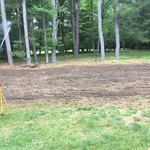
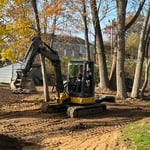
Before
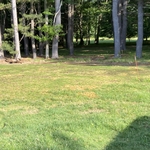
After
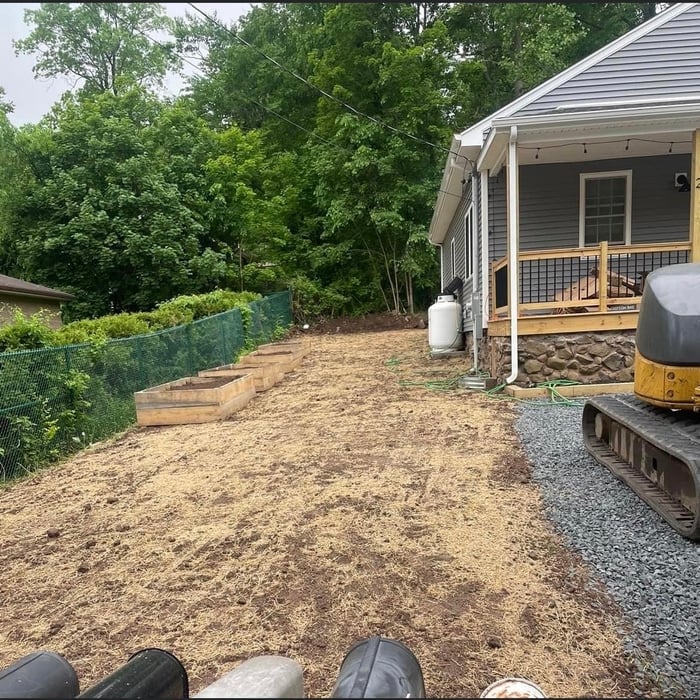
After
Before
Before

+14

Response time1 day
Response rate88%
Recommended by100%of homeowners
Avatar for Jose D Oliva
Jose D Oliva
4.6(
26
)
Tree RemovalTree Removal - For Business

Serving Northford, CT and surrounding areas

Approved

In business since 2020

Free estimates

Emergency services offered

"I have never been more impressed with the work ethic of any contractor I have hired. Jose and his team were prompt , efficient, and paid attention to every detail. The price was reasonable and well worth it. I would highly recommend Olivia tree service to anyone needing to remove trees from their property."
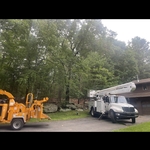
Completed work
Completed work
Completed work
Completed work
17

+17

Response time5 hrs
Response rate95%
1 neighbors recently requested a quote
...
Showing 1-10 of 167
Arborists questions, answered by experts

It depends on the type of tree. Typically, late spring on the cusp of winter is ideal for trees about to emerge from dormancy and produce new buds. That said, late fall is ideal for certain deciduous trees prone to bleeding sap. Avoid trimming trees in early spring, when they’re prone to disease.

It is possible to burn out a tree stump if it is dried out and in an area of your property with a large buffer. Drill holes in the stump and dig around the base so it burns more easily. Then, build a small campfire on top using kindling and firewood. You’ll need enough to keep the fire going for many hours to completely burn out the stump, especially if it’s large. 

Monitor the fire closely to ensure it doesn’t spread, and have a hose on hand if it starts to get out of control. When the fire is out, break apart the burned stump and dig out what’s left of it.  

If this sounds like a good option, learn more about how to burn a tree stump before attempting it, as it does come with risks.

You’ll have to balance up the cost, the value of the tree (sentimental or otherwise), and the risk factors. An experienced arborist will help you understand whether transplanting is likely to be successful. The cost and hassle of transplanting a large, well-established tree are often not worth it, especially if the species is fast-growing and easy to source. The decision depends on the age and species of the tree, the conditions in the new site location, and how careful the company is when digging out and moving the tree.

Whether you grind or dig up and remove your tree stump depends on your landscaping goals. Using a stump grinder leaves the root system in place for it to decompose over time, whereas digging up the tree stump removes the roots and the stump. Overall, stump grinding is a far simpler process since you won’t need to deal with the roots. Stump removal will make your yard look like a demolition site, but you’ll have an easier time replanting in the same place as your former tree.

The best way to protect tree roots is to avoid the roots entirely by excavating outside the root radius of the tree. For nearby projects, it’s a good idea to construct a temporary retaining wall. But that’s not always possible, depending on the project and the root system. In these cases, consider using alternative equipment like an auger to tunnel under the ground.

Remember, tree roots can damage nearby cement foundations as they grow. If a tree is close enough to interfere with large excavations, it may be better to remove the tree than risk future problems.

The Northford, CT homeowners’ guide to arboricultural services

From average costs to expert advice, get all the answers you need to get your job done.