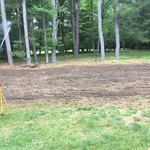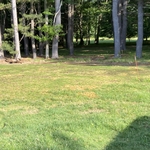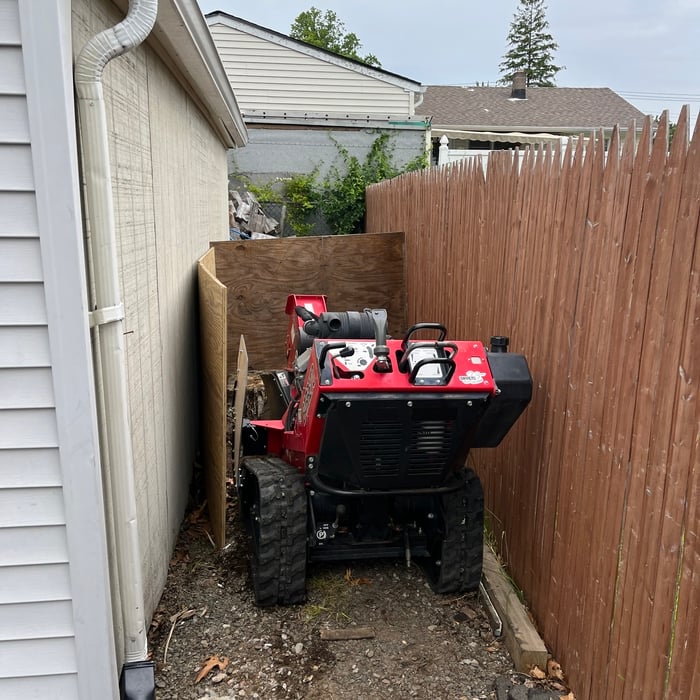



Top-rated arborists.

Get matched with top arborists in Woodbridge, CT

Enter your zip and get matched with up to 5 pros

Need a pro for your arboricultural service project in Woodbridge, CT?

Select your specific project to find the pro for you.

TRUSTED BY WOODBRIDGE, CT HOMEOWNERS

  • Average homeowner rating star icon4.7
    Average homeowner rating
  • Verified reviews icon596
    Verified arboricultural services reviews

Find Arborists in Woodbridge

Avatar for Mackenzie Tree, LLC
Mackenzie Tree, LLC
4.7(
42
)
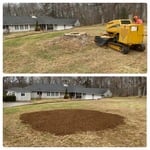
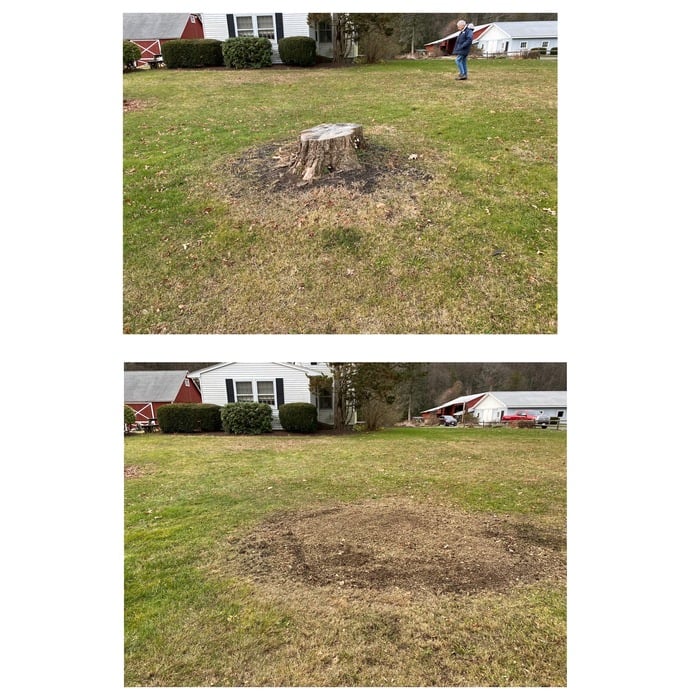
Tree RemovalTree Stump - RemoveTree Removal - For Business+1 more

Serving Woodbridge, CT and surrounding areas

Approved

In business since 2010

Free estimates

Emergency services offered

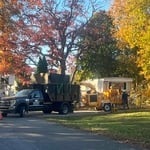
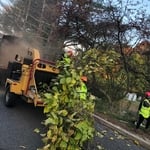
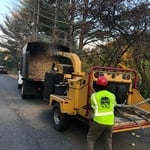
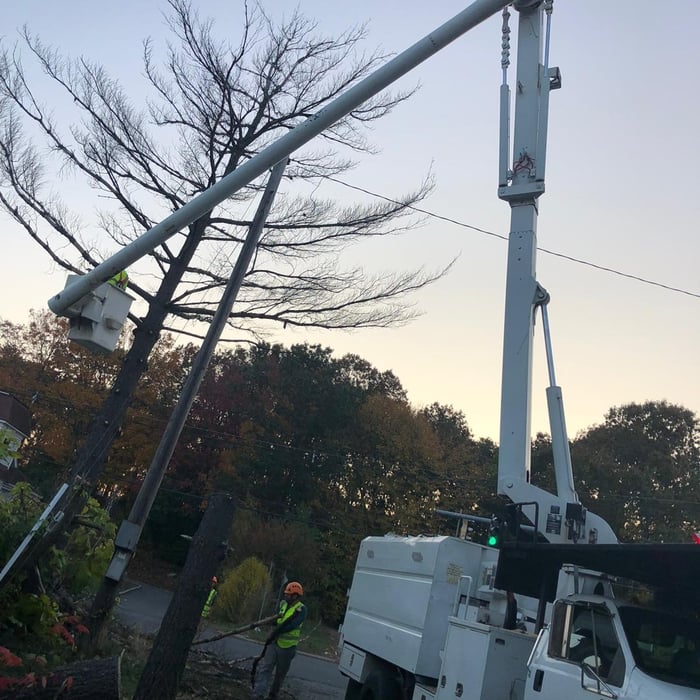
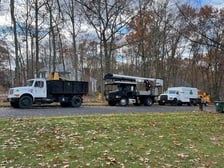
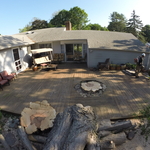
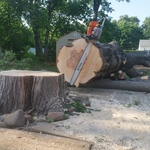
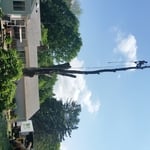
"I have used Mackenzie Tree for several tree removals since 2014. Their prices are very fair and I have always been very satisfied with their work. I only recommend them to my friends and neighbors. Chris is very professional and honest."
not to bad!!!
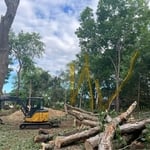
dropped the truck, not a scratch on the deck
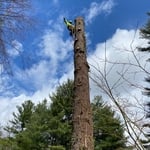
tree top is down
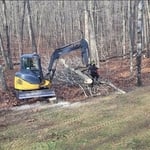
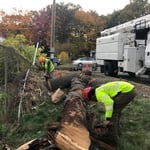
A very techinacl removal
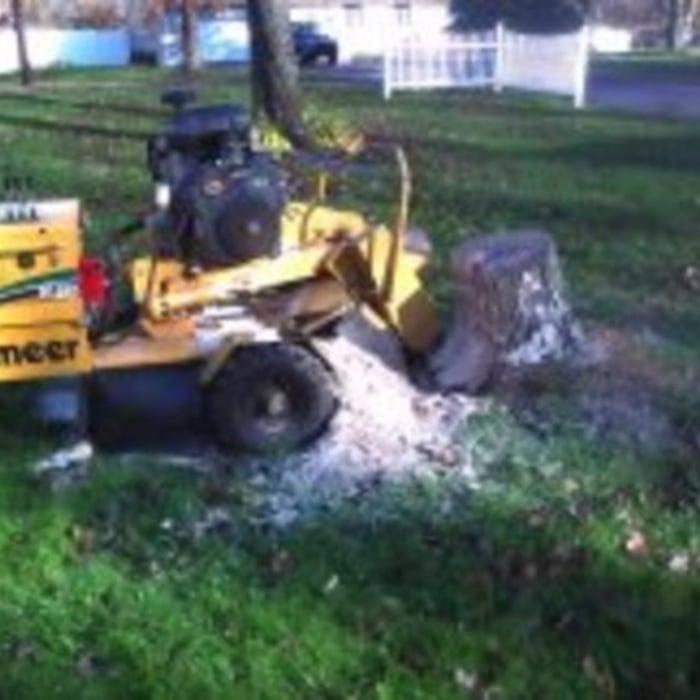
Stump grinding

+7

Response time2 days
6 neighbors recently requested a quote
Recommended by91%of homeowners
...
Showing 1-10 of 194
Arborists questions, answered by experts

Whether tree roots will continue to grow after a tree has been cut down depends on the species. Some tree roots will eventually die because they can no longer get nutrients through photosynthesis. However, other species that reproduce through root sprouts can continue to grow and produce new sprouts for seven years or more. For example, the roots of elms, ficus, and willows tend to regrow aggressively, while the roots of pines, oaks, and maples will typically die. To determine if a root system is still active, look for new sprouts on the old trunk, stump, or any exposed roots.
Common signs that a tree is rotting include dead branches, a leaning trunk, peeling or cracked bark, leaf discoloration, and the presence of fungi. If you notice any of these signs, it’s best to hire an arborist near you to inspect your tree and determine if it can be saved or if it needs to come down.

Pruning trees is important for several reasons. It improves tree health and strength by removing dead, diseased, or unwanted branches, which in turn encourages new growth and can help treat disease. For fruit trees, proper pruning can lead to a larger and better-quality harvest. Pruning also enhances safety by removing weak limbs that could break and fall, potentially causing injury or property damage, especially during storms. Beyond these functional benefits, pruning can also improve a tree's appearance. To ensure pruning is done correctly for the tree's long-term health, consider hiring a professional.

Before you cut down a dead palm tree, try to revive it using the methods listed above. However, there are instances when it makes sense to remove a dead palm tree, including:

  • The heavily infected tree will infect nearby trees, bushes, and plants.

  • The palm’s roots are overtaking your yard, foundation, and sidewalk and causing structural damage.

  • The tree is unstable and a hazard to your property, your neighbor’s property, and pedestrians.

If you aren’t sure what you’re doing, be very careful when cutting mature tree roots (roots larger than 2 inches). Root cutting and pruning can affect both a tree’s stability and its ability to nourish itself. Issues during root cutting can result in damage or injury. 

It’s recommended you call in a pro to help, unless it’s a very small tree and you aren’t worried about the prospect of losing the tree.

The Woodbridge, CT homeowners’ guide to arboricultural services

From average costs to expert advice, get all the answers you need to get your job done.