



Top-rated electricians.

Best electricians near New Milford, CT

Enter your zip and get matched with up to 5 pros

Need a pro for your electrical service project in New Milford, CT?

Select your specific project to find the pro for you.

TRUSTED BY NEW MILFORD, CT HOMEOWNERS

  • Average homeowner rating star icon4.8
    Average homeowner rating
  • Verified reviews icon412
    Verified electrical services reviews

Top-Rated Electricians in New Milford - Updated Nov 2026

Avatar for OnTheGrid Electric , LLC
OnTheGrid Electric , LLC
5.0(
12
)
Electrical Wiring or Panel UpgradeFixed Generator - InstallElectric Vehicle Charging Station Installation - Materials Not Provided+17 more

Serving New Milford, CT and surrounding areas

Approved

Super Service Award Winner

In business since 2009

Free estimates

Credit card accepted

"I have hired OnTheGrid for multiple projects and am always satisfied with their work. Doug and Mark are honest and fair, and won't do a job the wrong way. They are my first choice in electrical contractors, and I will be reaching out to them again soon."
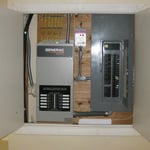
Standby generator automatic transfer switch with main panel
Landscape lighting
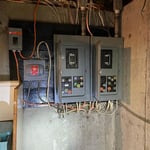
Fuse panels to be removed in multifamily house with external circuit switches (via insurance requirement)
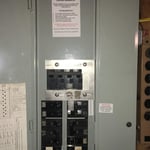
Portable generator panel interlock
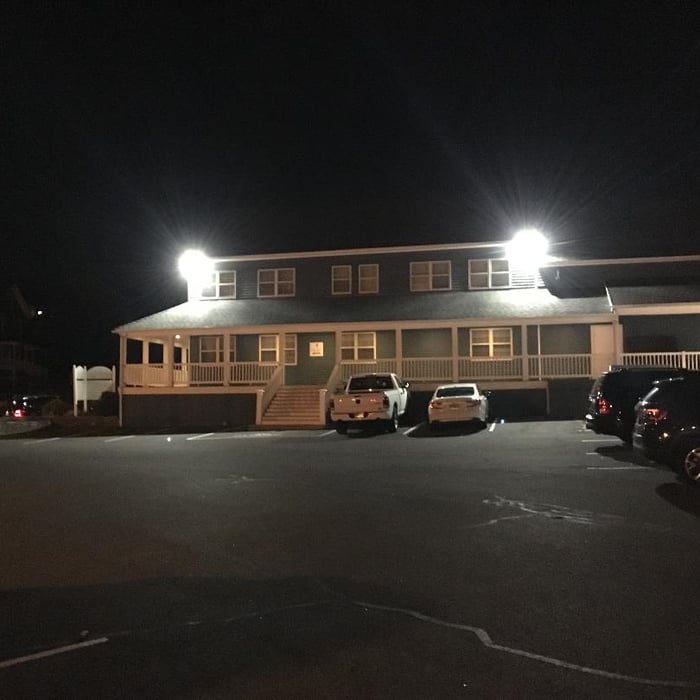
Lighting for a parking lot

+16

Response time1 day
Response rate100%
7 neighbors recently requested a quote
Avatar for A.I Electric
A.I Electric
5.0(
14
)
Electrical Switches, Outlets & Fixtures - Install or RepairElectrical Wiring or Panel UpgradeElectric Vehicle Charging Station Installation - Materials Not Provided+13 more

Serving New Milford, CT and surrounding areas

Approved

In business since 2025

Free estimates

Emergency services offered

""I?ve used A.I Electric for a few different projects now, new indoor and outdoor outlets, bathroom exhaust fan etc. and he deliver perfection every single time. Whether it?s a tiny, quick fix or a major project,he did a phenomenal job on our electrical work."He was always honest about what needs to be done, never try to upsell me on things I don't need, and was just wonderful to deal with. I cannot recommend A.I Electric enough. He truly went above and beyond to make sure the job was done right. Thank you so much for the amazing service!"
Service Change
Service Change
Service Change
Service Change
Service Change

+111

81 neighbors recently requested a quote

...
Showing 1-10 of 196
Electrical FAQs, answered by experts

How far you can run underground electric depends on the wire gauge (generally AWG) and the circuit voltage. Too much voltage drop in an electrical circuit can negatively affect performance, so the smaller the voltage drop, the better. Ideally, it shouldn't exceed 3%. The smaller the wire and the longer the run, the more significant the voltage drop. 

For example, with a 120-volt circuit, you can run 60 feet of 12 AWG cable without losing more than 3% voltage. With a 240-volt circuit, you can run 120 feet of 12 AWG wire while maintaining a voltage drop of 3% or less.

A standard three-prong electrical outlet typically lasts for about 15 years with normal use and should be replaced accordingly. GFCI outlets may have a longer lifespan of 15 to 25 years. While some outlets can last longer if used infrequently, they can also fail prematurely. Reasons for early failure include poor wiring, an overloaded circuit, improper grounding or installation, or loose plugs. Signs that an outlet is failing include flickering lights, overheating, a discolored or melted faceplate, plugs that fall out easily, or frequently tripping circuit breakers. It is essential to address faulty outlets promptly to avoid safety hazards, especially in homes older than 15 years.

Most people don’t think twice when using loose outlets, but they are a safety hazard. Loose outlets can cause issues with the flow of electricity in your home, resulting in electricity jumping from one connection point to another. When this happens, it can cause a spark that could start an electrical fire in your walls.

Yes, electric-start snow blowers need to be plugged in to start, but you can unplug them and go once they’re up and running. Simply plug the snow blower into an outdoor outlet and press the start button. Once it starts, you can unplug it and use it freely. The idea for these types of snow blowers is to simplify the starting process from the typical pull-string starts.

According to the National Electrical Code® (NEC®), the electrical code for kitchen outlets states that electrical outlets in a kitchen should be installed no more than 48 inches apart. This ensures that a receptacle is no further away than 24 inches from any place on the countertop. Countertops wider than 12 inches need an outlet on the wall above the countertop.

The New Milford, CT homeowners’ guide to electrical services

From average costs to expert advice, get all the answers you need to get your job done.