



Top-rated electricians.

Get matched with top electricians in Southbury, CT

Enter your zip and get matched with up to 5 pros

Need a pro for your electrical service project in Southbury, CT?

Select your specific project to find the pro for you.

TRUSTED BY SOUTHBURY, CT HOMEOWNERS

  • Average homeowner rating star icon4.7
    Average homeowner rating
  • Verified reviews icon536
    Verified electrical services reviews

Find Electricians in Southbury

...
Showing 1-10 of 294
Electrical questions, answered by experts

According to the National Electrical Code (NEC), GFCI outlets should be installed in wet or damp locations where they might be splashed with water or other liquids. This is to protect against ground faults, which are more common around water. Specific areas that require GFCI outlets include kitchens (especially near counters), bathrooms, laundry rooms, basements, garages, and all outdoor receptacles. Depending on local electrical codes, you may need at least one GFCI outlet in these rooms, or every outlet in the area may need to be GFCI protected.

If you encounter any issues or feel unsure about your abilities, stop immediately and contact a licensed electrician for help. It's better to be safe than sorry when it comes to electrical work, as mistakes during the wiring process can be hazardous to your home and personal safety.

You will need a permit for any electrical work that involves installing or replacing wiring, moving or installing new fixtures, switches, or outlets, hardwiring appliances or HVAC equipment, installing subpanels, and upgrading electrical service. You typically don’t need a permit to have an electrician replace an existing light fixture or electrical box. You can always call your local building department to see if your project needs a permit, but a professional electrician will be able to tell you. In most cases, your professional will pull the permits for you.

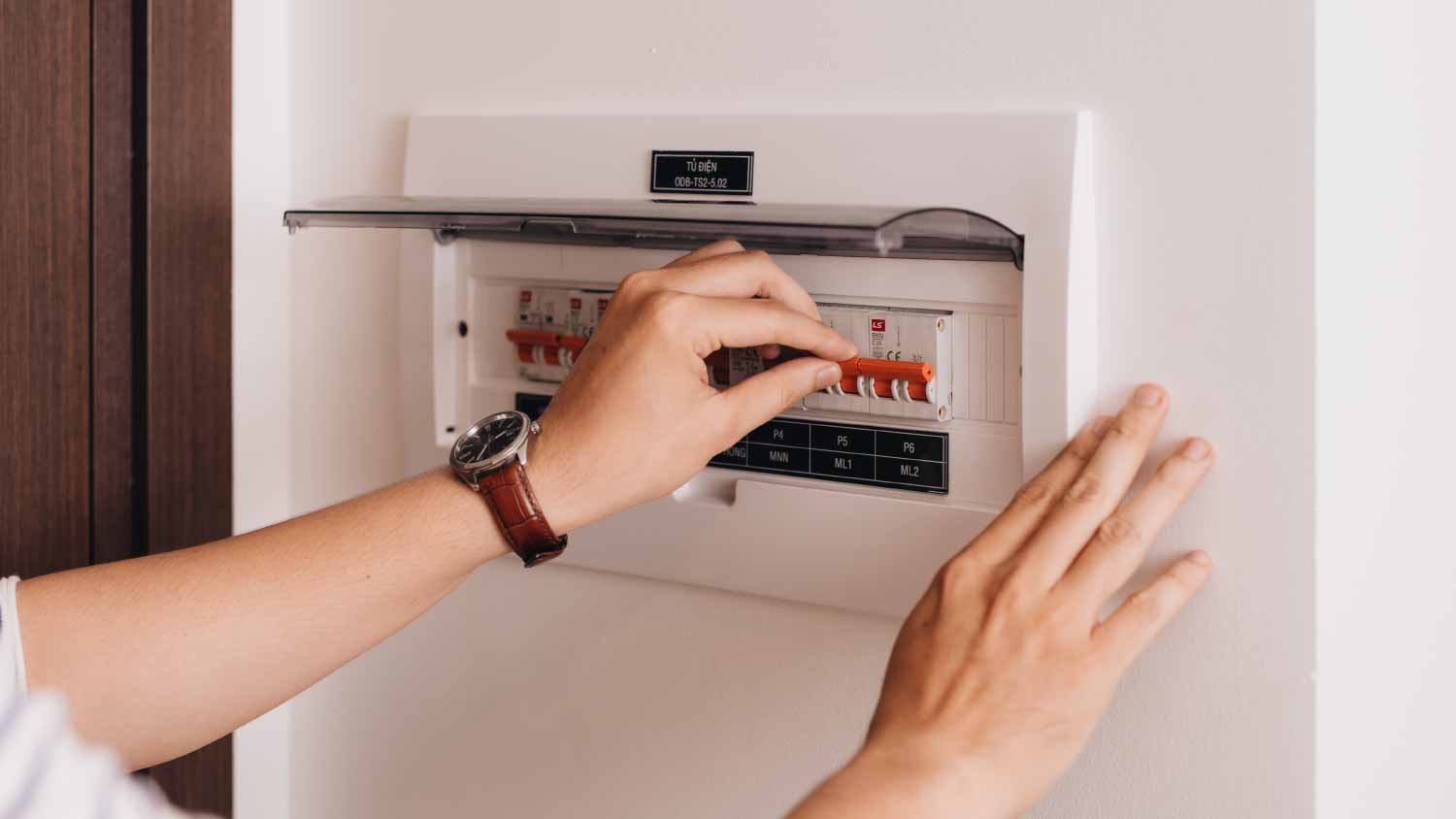
Although homeowners can turn off a breaker, it’s vital to follow safety precautions when doing so to prevent serious and potentially fatal injuries. For instance, you want to ensure there is no water on the floor when you touch the breaker and wear protective gear such as safety glasses. Anytime you deal with anything electrical, it’s always best to be as safe as possible.

No, you should always use proper electrical wire caps to safely cap off electrical wires. Electrical tape isn’t as durable as electrical caps and can deteriorate and separate over time, exposing the live wires. The only way to use electrical tape for this project is to wrap it around the caps themselves to reinforce them and create an even stronger connection, preventing an electrical emergency.

The Southbury, CT homeowners’ guide to electrical services

From average costs to expert advice, get all the answers you need to get your job done.