



Top-rated electricians.

Get matched with top electricians in Washington, CT

Enter your zip and get matched with up to 5 pros

Need a pro for your electrical service project in Washington, CT?

Select your specific project to find the pro for you.

TRUSTED BY WASHINGTON, CT HOMEOWNERS

  • Average homeowner rating star icon4.8
    Average homeowner rating
  • Verified reviews icon265
    Verified electrical services reviews

Find Electricians in Washington

Avatar for Connoles Electric, LLC
Connoles Electric, LLC
4.8(
82
)
Ceiling Fan - InstallElectric Vehicle Charging Station Installation - For Business - Materials Provided by ConsumerElectrical Wiring or Panel Upgrade+5 more

Serving Washington, CT and surrounding areas

Approved

In business since 1984

Free estimates

Credit card accepted

"Ted and Robert arrived, got right t to it and within a few hours we had 2 ceiling fans installed, one which had no existing light so it was a more involved project. They were professional and stuck to their original quote! To say we are impressed is an understatement. We strongly recommend using Connole Electric."
Recommended by98%of homeowners
Avatar for OnTheGrid Electric , LLC
OnTheGrid Electric , LLC
5.0(
12
)
Fixed Generator - InstallElectric Vehicle Charging Station Installation - Materials Not ProvidedCeiling Fan - Install+17 more

Serving Washington, CT and surrounding areas

Approved

Super Service Award Winner

In business since 2009

Free estimates

Credit card accepted

"I have hired OnTheGrid for multiple projects and am always satisfied with their work. Doug and Mark are honest and fair, and won't do a job the wrong way. They are my first choice in electrical contractors, and I will be reaching out to them again soon."
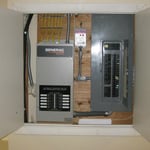
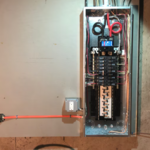
Standby generator automatic transfer switch with main panel
Landscape lighting
Fuse panels to be removed in multifamily house with external circuit switches (via insurance requirement)
Portable generator panel interlock
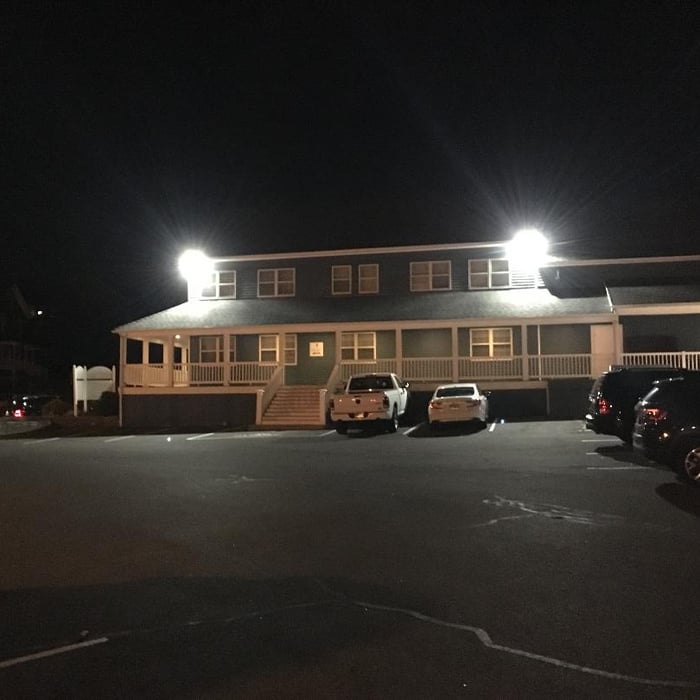
Lighting for a parking lot

+16

Response time1 day
Response rate100%
7 neighbors recently requested a quote

...
Showing 1-10 of 205
Electrical questions, answered by experts

Technically, an outdoor outlet can be on the same circuit as an indoor outlet, but it's generally not recommended. Outdoor outlets should ideally be on a dedicated circuit that doesn't share power with other indoor or outdoor outlets. This helps ensure that the outdoor outlets are able to handle the additional electrical load without overloading the circuit. Additionally, outdoor outlets are often exposed to the elements, which can increase the risk of electrical shock and other hazards. If you must have an outdoor outlet on the same circuit as an indoor outlet, be sure that the circuit has the capacity to handle the additional load.

Poorly designed and incorrectly installed outlets can create an electrical fire hazard, as do some phone chargers and adapters that plug into these outlets. However, most outlets are perfectly safe as long as they remain in working condition. Keep an eye on what you are plugging into the outlet and stay alert for signs of outlet malfunction, like sparks, burning smell, or frequent circuit tripping.

Light switches can last for decades when installed and maintained correctly. Improper wiring, heavy wear and tear, or too much wattage draw can cause light switch failure long before the expected end of a light switch’s life. Light switches that are hot to the touch, making a buzzing noise, or failing to work consistently should be inspected to find and repair the underlying cause.

On average, the cost to run electricity to an above ground pool is about $1,000. Certain factors can increase or cut these costs. For example, a larger pool or one farther from your house may require additional trenching for wiring, bringing costs as high as $4,000. On the other hand, a standard-sized pool closer to your home may only cost $350 to hook up to electricity.

The standard copper wire gauge to use with any 30-amp circuit is a 10-gauge wire. The National Electric Code specifies a 10-gauge wire with appliances like water heaters running on 30 amps. If you try to use a smaller gauge wire, such as a 12 gauge, with a 30-amp breaker, you run the risk of the wire overheating and melting or causing a fire. Because of the safety hazards, the gauge of the wire is not an area to try to cut costs when connecting a 30-amp breaker to a water heater.

The Washington, CT homeowners’ guide to electrical services

From average costs to expert advice, get all the answers you need to get your job done.