




Top-rated electricians.

Get matched with top electricians in Bantam, CT

Enter your zip and get matched with up to 5 pros

Need a pro for your electrical service project in Bantam, CT?

Select your specific project to find the pro for you.

TRUSTED BY BANTAM, CT HOMEOWNERS

  • Average homeowner rating star icon4.9
    Average homeowner rating
  • Verified reviews icon116
    Verified electrical services reviews

Find Electricians in Bantam

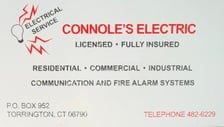
Avatar for Connoles Electric, LLC
Connoles Electric, LLC
4.8(
82
)
Electrical Wiring or Panel UpgradeCeiling Fan - InstallElectric Vehicle Charging Station Installation - For Business - Materials Provided by Consumer+5 more

Serving Bantam, CT and surrounding areas

Approved

In business since 1984

Free estimates

Credit card accepted

"Ted and Robert arrived, got right t to it and within a few hours we had 2 ceiling fans installed, one which had no existing light so it was a more involved project. They were professional and stuck to their original quote! To say we are impressed is an understatement. We strongly recommend using Connole Electric."
2 neighbors recently requested a quote
Recommended by98%of homeowners
Avatar for MGT Electrical Services
MGT Electrical Services
5.0(
11
)
Fixed Generator - InstallFixed Generator - RepairGenerator - Repair - For Business+1 more

Serving Bantam, CT and surrounding areas

Approved

In business since 2021

Free estimates

Warranties offered

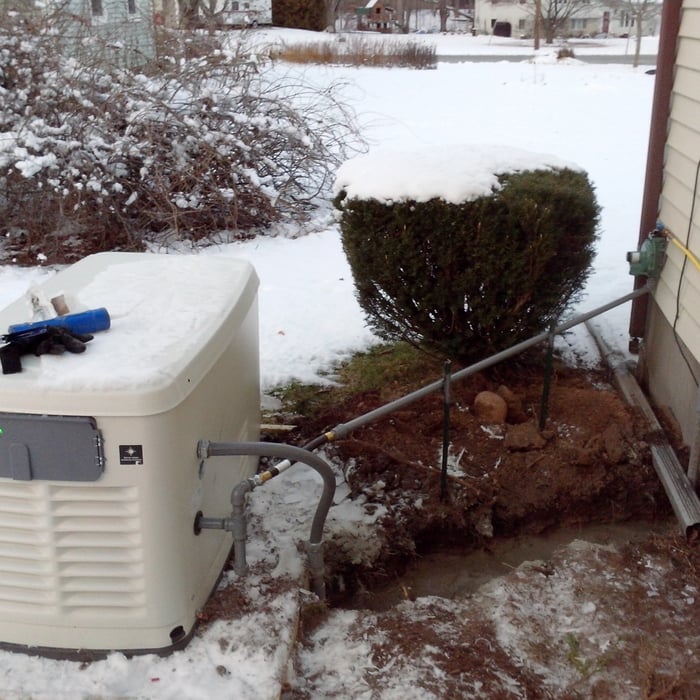
"They came out in the middle of a storm and promptly hooked the generator to my panel. While I thought I’d be running extension cords to my appliances it turned out that the whole house was up and running. I wish I had done this earlier. I would recommend MGT for any electrical needs. I will surely use them again."
31 neighbors recently requested a quote

Recommended by90%of homeowners
...
Showing 1-10 of 193
Electrical questions, answered by experts

To install an outlet from existing wiring, you’ll need to choose a location where you can already access existing wiring. The easiest way to do this is to install an outlet on the other side of the wall of an existing outlet. 

Since the wiring is already in place, all you have to do is connect a new cable to the existing wiring and then connect the correct wires through the wall—to the new electrical outlet. Place your new outlet into the opening in the wall and then connect the correct wires to the appropriate terminal screws.

Smart light switches are designed to be compatible with most lights and traditional home wiring, but there are several key factors to check. First, verify your home's wiring, as some smart switches require a neutral wire to operate, which may not be present in older houses (often built before 1985). Always check the wiring requirements for the specific model you choose. Second, consider your light bulbs; while smart switches work with almost any light, using a dimming feature requires dimmable bulbs, such as dimmable LEDs. Finally, ensure you have the necessary network connection. Most smart switches need a Wi-Fi connection for remote control, but some older models might use other standards like ZigBee, which would require a compatible hub.

Yes, the National Electric Code (NEC) requires at least one GFCI outlet in each sectioned-off portion of an unfinished basement, partly to ensure a power source is available for a sump pump in case of flooding. If you install multiple outlets in your unfinished basement, all of them must be GFCI-protected. For finished basements, standard outlets are generally permitted, but at least one GFCI outlet is still required per circuit. Keep in mind that local municipalities may have additional codes, so it's best to consult a licensed electrician to ensure your home is fully compliant.

The wrong-sized wire can lead to several safety hazards, including structural fires, surges, power outages from tripped breakers, and electrocution. It’s important to follow the American Wire Gauge system and the National Electrical Code guidelines to safely wire a home. Electrical wiring is not safe for homeowners to handle and is best left to a licensed electrician.

240V is the standard for more demanding appliances in the United States, whereas 220V is more common elsewhere. The voltage isn’t very different in any practical sense. The United States is a newer country compared to many other regions in the world with a faster adoption of new electrical needs. Appliances in the United States are often bigger than other parts of the world.

The Bantam, CT homeowners’ guide to electrical services

From average costs to expert advice, get all the answers you need to get your job done.