




Top-rated excavation pros.

Best excavation pros near Middletown, CT

Enter your zip and get matched with up to 5 pros

Need a pro for your excavation project in Middletown, CT?

Select your specific project to find the pro for you.

TRUSTED BY MIDDLETOWN, CT HOMEOWNERS

  • Average homeowner rating star icon4.8
    Average homeowner rating
  • Verified reviews icon39
    Verified excavation services reviews

Top-Rated Excavation pros in Middletown - Updated Nov 2026

Avatar for American Junk Removal LLC
American Junk Removal LLC
4.9(
14
)
Building Site - Preparation and Clearing - For Business

Serving Middletown, CT and surrounding areas

Approved

In business since 2015

Free estimates

Emergency services offered

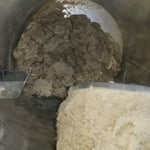
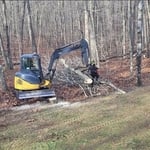
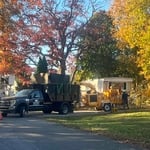
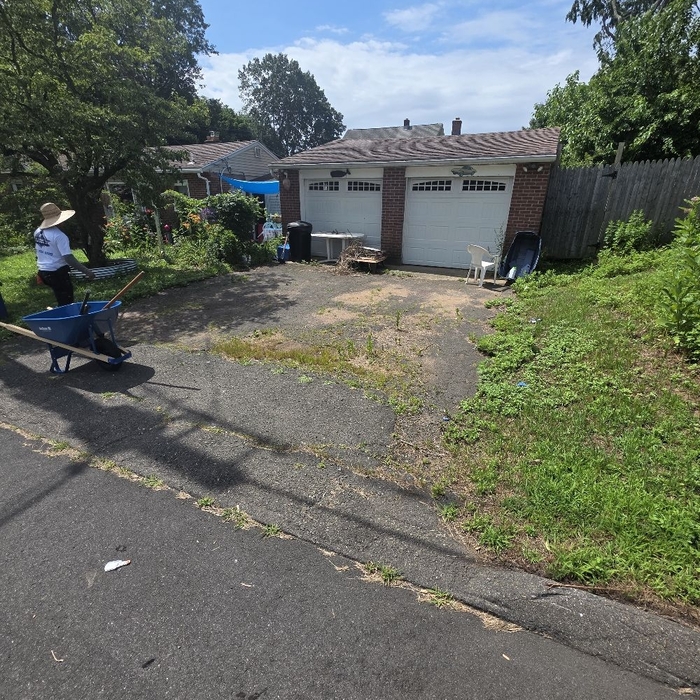
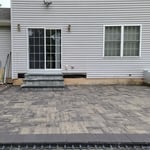
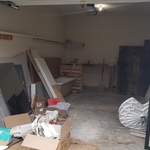
"Adam and his crew were amazing. They cleaned out the junk filled basement of the old house we just moved into. Prompt, friendly, professional setvice and a great value for the money. We also hired them again, to remove brush and overgrown shrubbery from the property a week later. Highly reccomend."
Additional Photos
Additional Photos
Additional Photos
Additional Photos
Additional Photos

+6

10 neighbors recently requested a quote
Recommended by78%of homeowners
...
Showing 1-10 of 124
Excavating FAQs, answered by experts

There is no standard depth for burying a septic tank; they are typically buried anywhere from 4 inches to 4 feet underground. The final depth depends on several factors, including the depth of your main sewer line, the height of the bedrock, soil type, local regulations, and the property's landscape. If you plan to grow grass or plants over the tank, a depth of at least 4 to 6 inches is recommended. Deeper tanks can be more difficult to locate, but a septic professional can help find it for you.

Trenching is a specific kind of digging. Trenching means digging a depression in the earth that’s deeper than it is wide, often with heavy machinery. Digging refers to any kind of removal of earth in order to create a human-made depression, hole, or cut in the earth’s surface. You can dig with big tools or even with just a hand shovel.
Consultation with the local government helps identify necessary permits, avoid project delays or legal issues, and protect project integrity.

You can bury underground electrical wire six inches deep—but only if you use a rigid metal electrical conduit. For rigid, non-metallic conduits, bury the wire at least 12 inches deep. If using an underground feeder cable rated for direct burial, you'll need to place it at least 18 inches deep, as it has no conduit for extra protection.

The rules for trenching and excavation include setting up and following safety protocols, learning how to use tools and machines properly, and ensuring there is a safe exit for all workers. Keep heavy equipment and materials away from the edge of the hole or trench. Call the 811 dig line before starting any excavation or trenching project to ensure you don’t hit any electrical or gas lines.

The Middletown, CT homeowners’ guide to excavation services

From average costs to expert advice, get all the answers you need to get your job done.