



Top-rated excavation pros.

Best excavation pros near Glastonbury, CT

Enter your zip and get matched with up to 5 pros

Need a pro for your excavation project in Glastonbury, CT?

Select your specific project to find the pro for you.

TRUSTED BY GLASTONBURY, CT HOMEOWNERS

  • Average homeowner rating star icon4.9
    Average homeowner rating
  • Verified reviews icon41
    Verified excavation services reviews

Top-Rated Excavation pros in Glastonbury - Updated Nov 2026

Avatar for New England Outdoor Living LLC
New England Outdoor Living LLC
5.0(
8
)
Excavation - Major Grading or ReslopingLandscape - Minor Grading or Resloping

Serving Glastonbury, CT and surrounding areas

Approved

In business since 2025

Free estimates

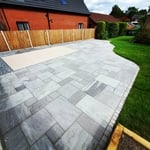
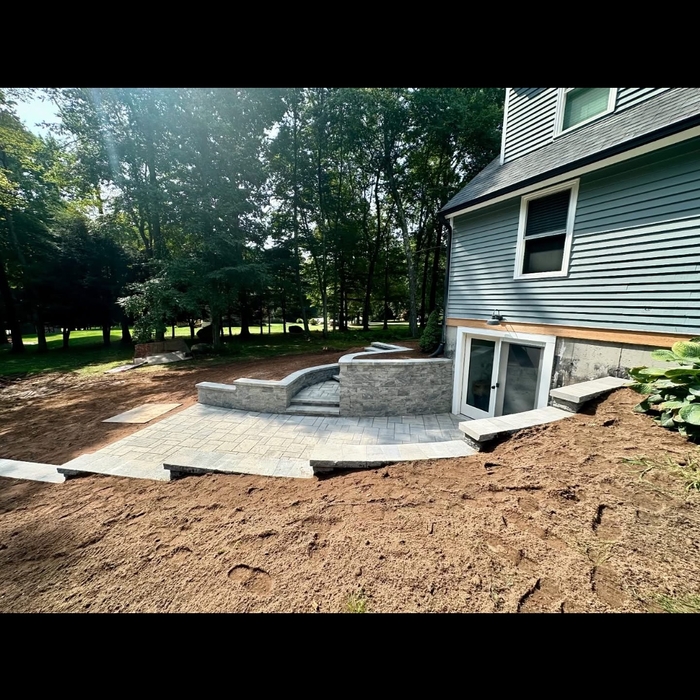
"I recently had a paver walkway installed, and I couldn’t be happier with how it turned out! From start to finish, Nathan was professional, hardworking, and paid attention to every detail. He took the time to make sure everything was done right, and it really shows in the final result. The walkway completely transformed the look of our space — clean, beautiful, and built to last. He showed up on time, kept everything neat, and was great to work with throughout the whole process. If you’re thinking about upgrading your outdoor space, I highly recommend New England Outdoor Living. Quality work like this is hard to come by!"
Logo
Patio
Patio
Patio
Patio

+17

1 neighbors recently requested a quote
Avatar for MLG Home Solutions LLC
MLG Home Solutions LLC
5.0(
5
)
Excavation - Major Grading or Resloping

Serving Glastonbury, CT and surrounding areas

Approved

In business since 2020

Free estimates

Emergency services offered

MLG Home Solutions LLC specializes in paver patios, landscape design & installation, and full home renovation projects — kitchen and bathroom remodeling, basement finishing, and general contracting — for homeowners across Vernon, CT and the Greater Hartford area (Manchester, Ellington, Tolland, South Windsor, East Windsor, East Hartford, West Hartford, Glastonbury, and New Britain).\n\nWe're a fully licensed (CT HIC #0700224) and insured contractor team with a 5.0-star rating on Angi. From a backyard patio built for entertaining to a full basement finish, we handle every stage of the project — accurate estimates, clear timelines, and quality craftsmanship from start to finish.\n\nWe also provide lawn care, mulch installation, and snow removal for clients who want one trusted team for the whole property.
Landscape & Walkway
Lawn Care CT
Paver walkway
Mulch installation
Residential lawn

+3

19 neighbors recently requested a quote
...
Showing 1-10 of 123
Excavating FAQs, answered by experts

There are many ways to cut through roots when digging, especially if your trencher doesn’t seem to be removing the roots. First, use a shovel to expose the roots. Then, use gardening shears to clear out smaller roots or a reciprocating saw to remove larger plant roots. If you plan on keeping the plant, avoid cutting any roots over 2 inches thick.

Most residential basements are 8 to 10 feet deep. You can dig deeper depending on building codes, but it does become more difficult. You’ll likely need to install stronger foundation walls and additional supports to handle the increased load. Depending on the water table, you may also need a water management system. Clay soil can support a deeper foundation than sandy soil. A structural engineer will be able to tell you the maximum, feasible depth.

Prior to excavation, you should prepare the dig site and call 311 before you sign anything.

To get your site ready for excavation, you should move anything in the area that isn’t affixed to the land. You can save money on the excavation by removing hardscaping, including walkways, decks, concrete patios, and paver patios.

Before you carry out any digging, you should call 311 to confirm that there are no utility lines running through your excavation site. Skipping this step could lead to severe injury and property damage if your excavator hits a water, sewage, or gas line.

Septic drain lines (or leach lines) are typically buried between 18 and 36 inches underground, and should be at least 6 inches below the surface. These pipes are perforated and surrounded by filtering materials like sand or gravel. Burying the lines at this depth helps minimize odors and allows bacteria and other biological processes in the soil to effectively treat the wastewater. Burying lines too close to the surface can cause issues unless the soil is very compact and stable.

You can bury underground electrical wire six inches deep—but only if you use a rigid metal electrical conduit. For rigid, non-metallic conduits, bury the wire at least 12 inches deep. If using an underground feeder cable rated for direct burial, you'll need to place it at least 18 inches deep, as it has no conduit for extra protection.

The Glastonbury, CT homeowners’ guide to excavation services

From average costs to expert advice, get all the answers you need to get your job done.