

Top-rated excavation pros.

Get matched with top excavation pros in Cheshire, CT

Enter your zip and get matched with up to 5 pros

Need a pro for your excavation project in Cheshire, CT?

Select your specific project to find the pro for you.

TRUSTED BY CHESHIRE, CT HOMEOWNERS

  • Average homeowner rating star icon5
    Average homeowner rating
  • Verified reviews icon28
    Verified excavation services reviews

Find Excavation pros in Cheshire

Avatar for Stump Chompers
Stump Chompers
4.9(
33
)
Excavation - Major Grading or Resloping - For Business

Serving Cheshire, CT and surrounding areas

Approved

In business since 2009

Free estimates

Customers say: Quality work

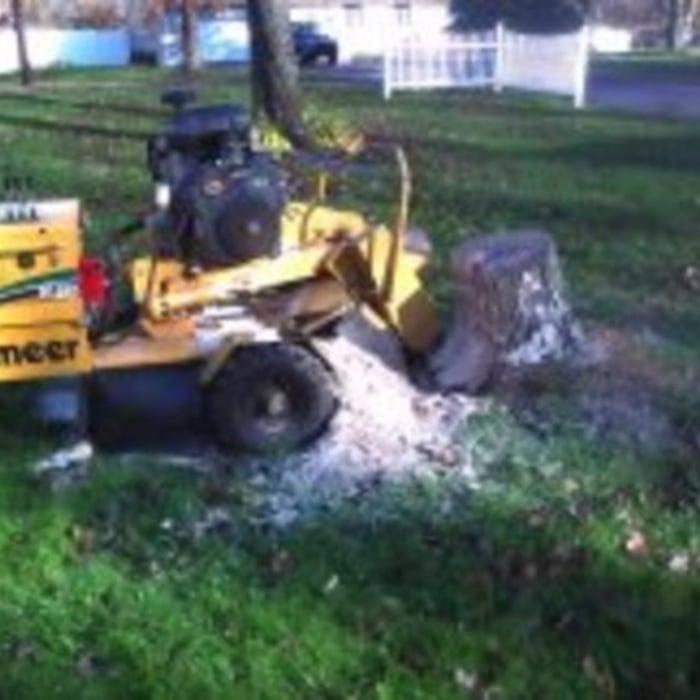
"Don is great! Gave me a great price on the removal of 2 stumps. One was done right away with topsoil added and smoothed out . The other is pending further discussion of other site work on the property. He communicated with me every step of the way. Very happy with his work, so much so, that I am having him give me estimates of a few other projects. Glad to have found such a reasonable and responsible young man to help me with my creative landscaping issues!"
Our work
Our work
Our work
Our work
Our work

+2

Response time2 days
Recommended by100%of homeowners
Avatar for American Junk Removal LLC
American Junk Removal LLC
5.0(
12
)
Building Site - Preparation and Clearing - For Business

Serving Cheshire, CT and surrounding areas

Approved

In business since 2015

Free estimates

Emergency services offered

"Adam and his crew were amazing. They cleaned out the junk filled basement of the old house we just moved into. Prompt, friendly, professional setvice and a great value for the money. We also hired them again, to remove brush and overgrown shrubbery from the property a week later. Highly reccomend."
Additional Photos
Additional Photos
Additional Photos
Additional Photos
Additional Photos

+6

5 neighbors recently requested a quote
Recommended by91%of homeowners

Avatar for General Masonry
General Masonry
4.4(
64
)
Landscape - Minor Grading or Resloping

Serving Cheshire, CT and surrounding areas

Approved

In business since 1991

Free estimates

Emergency services offered

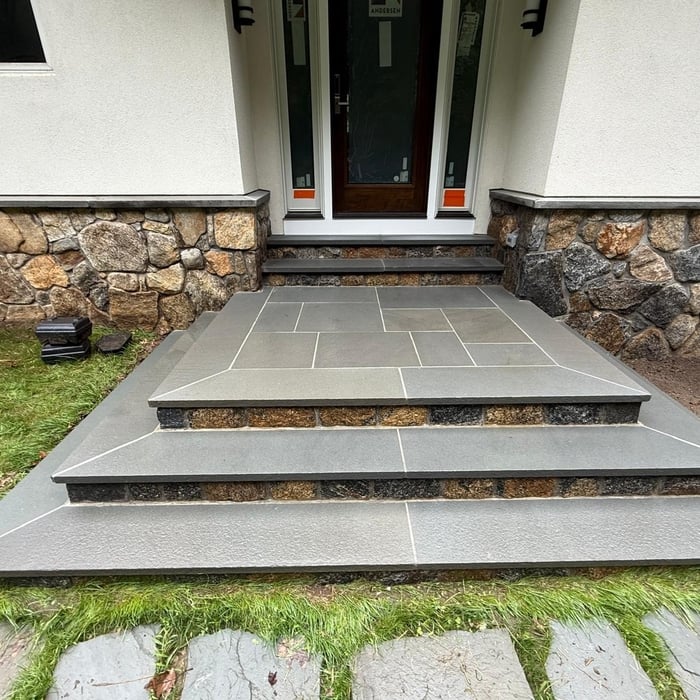
"The owner of the company, Andy and his crew are all talented craftsmen. They refaced our front porch with cobblestones and blue slate and the finished project looks incredible. They are professional and work was done in a timely manner. I highly recommend Andy and his team. We would hire them again!"
Untitled Gallery 1
Untitled Gallery 1
Untitled Gallery 1
Untitled Gallery 1
Untitled Gallery 1

+97

Response time3 days
26 neighbors recently requested a quote
Recommended by98%of homeowners

...
Showing 1-10 of 130
Excavating questions, answered by experts

While you can save some money by digging your own pool, you may end up paying more in construction equipment rental fees in the long run. You could, however, focus your DIY energies on lowering the cost of leveling your lawn for your pool or filling in surrounding landscaping after construction.

No, a ditch isn’t a trench. A ditch is an open, relatively shallow channel that’s carved out of the ground and used for drainage purposes. In contrast, a trench is a deeper excavation that’s entirely underground. Trenches have many uses, including gas lines, sewage systems, and electrical wiring. Unlike trenches, ditches don’t get filled back in with dirt after they’re dug.

The best type of soil to build on is a mixture of sand and clay, known as loam soil. Loam soil has the best combination of these soil types to build a foundation on. The clay particles help with water retention, so it won’t erode like sandy soil might, and the sandy particles help with drainage, so you won’t see unsafe soil expansion or have an increased risk of leaks from water sitting against your foundation.

Trenches are typically 12 to 24 inches deep and 8 inches wide. However, the required depth depends on the specific project and local ordinances. For example, a French drain may need to be 18 inches deep, while a water pipe might require a depth of 24 inches and a drainage pipe 36 inches. Your city or county may have specific regulations, so it's wise to consult with an excavation professional to determine the correct depth for your project.

Trenching and boring are two distinct methods for installing underground utilities. Trenching involves digging a channel using equipment like an excavator, trencher, backhoe, or shovel. While it is a simpler process, it causes significant disruption to the surface, landscaping, and surrounding ecosystems.

Boring, also known as directional boring, is a less invasive alternative that uses a drill to create a tunnel for utility lines without disturbing the surface. This method is more precise and is ideal for installations that need to go underneath buildings, roads, or bodies of water. Although boring is less disruptive, it is generally more expensive than trenching.

The Cheshire, CT homeowners’ guide to excavation services

From average costs to expert advice, get all the answers you need to get your job done.