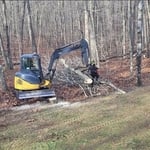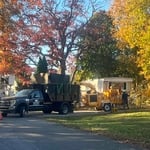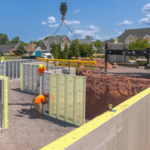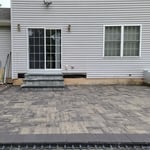



Top-rated excavation pros.

Best excavation pros near Portland, CT

Enter your zip and get matched with up to 5 pros

Need a pro for your excavation project in Portland, CT?

Select your specific project to find the pro for you.

TRUSTED BY PORTLAND, CT HOMEOWNERS

  • Average homeowner rating star icon4.7
    Average homeowner rating
  • Verified reviews icon38
    Verified excavation services reviews

Top-Rated Excavation pros in Portland - Updated Nov 2026

Avatar for American Junk Removal LLC
American Junk Removal LLC
4.9(
14
)
Building Site - Preparation and Clearing - For Business

Serving Portland, CT and surrounding areas

Approved

In business since 2015

Free estimates

Emergency services offered

"Adam and his crew were amazing. They cleaned out the junk filled basement of the old house we just moved into. Prompt, friendly, professional setvice and a great value for the money. We also hired them again, to remove brush and overgrown shrubbery from the property a week later. Highly reccomend."
Additional Photos
Additional Photos
Additional Photos
Additional Photos
Additional Photos

+6

9 neighbors recently requested a quote
Recommended by78%of homeowners
...
Showing 1-10 of 119
Excavating FAQs, answered by experts

The easier way to find buried sprinkler lines is to use the plan from the professionals who installed the system. If you don’t have professional plans, listen for running water on your lawn when you turn on the system. You may also spot wet areas, giving you an idea of where the heads are. Once you find the sprinkler heads, you’ll likely be able to connect the dots between them, revealing the system below.

You can bury underground electrical wire six inches deep—but only if you use a rigid metal electrical conduit. For rigid, non-metallic conduits, bury the wire at least 12 inches deep. If using an underground feeder cable rated for direct burial, you'll need to place it at least 18 inches deep, as it has no conduit for extra protection.

The best method for digging a trench depends on the scope of the project. For a short, shallow trench (less than 2 feet deep) in light, soft soil, digging by hand may be sufficient. However, digging by hand is labor-intensive, so consider the effort required. A machine trencher is the better option for longer trenches (over 100 feet), deeper ones, or when dealing with difficult soil conditions, such as rocky or hard ground, or obstructions like tree roots. A machine can save significant time and energy in these situations.

Professional installers often include a deep layer of crushed gravel under permeable pavers to allow more runoff to soak through into the soil below. Many installations will include multiple layers of gravel, with coarser aggregate at the base and finer aggregate that sits on top of that bottom layer. Above the gravel, you’ll often find coarse sand that helps reduce paver shifting over time. Some permeable paver designs include a water collection system set into the gravel layer to route runoff to a safe area for disposal.
The time it takes to build a pool—and dig out the area—varies based on the pool size and type. A professional excavator will take between four and eight hours to dig a pool. The process will take longer if they encounter large boulders or tree roots. Keep in mind that this is a small part of the process in the long run. You will need between eight and 12 weeks to build a pool from start to finish, including the time to apply for permits.

The Portland, CT homeowners’ guide to excavation services

From average costs to expert advice, get all the answers you need to get your job done.