Top-rated drywall pros.

Best drywall pros near Plymouth, CA

Enter your zip and get matched with up to 5 pros

Need a pro for your drywall service project in Plymouth, CA?

Select your specific project to find the pro for you.

TRUSTED BY PLYMOUTH, CA HOMEOWNERS

  • Average homeowner rating star icon4.3
    Average homeowner rating
  • Verified reviews icon26
    Verified drywall services reviews

Top-Rated Drywall pros in Plymouth - Updated Nov 2026

Ferreira Drywall
New to Angi
Drywall - InstallDrywall - Install - For Business

Serving Plymouth, CA and surrounding areas

Approved

In business since 2022

Free estimates

Offers commercial services

We pride our company on reliability, great communication, integrity, and quality work. We are experts in our trade and will do our best to keep you as educated as we can on your particular task or project. We look forward to earning your business! Book with us online or feel free to give us a call today!

North State Drywall Inc
4.9(
103
)
Drywall - InstallDrywall - Install - For BusinessDrywall - Repair+1 more

Serving Plymouth, CA and surrounding areas

In business since 2006

Emergency services offered

"This provider is unusual in that he really knows what he is doing with drywall. He is amazingly competent; really set a new standard in my mind for drywall work.
I'll try to be more specific?  He is very knowledgeable and quick to evaluate what is required. Then, he is fast and effective at completing the work.
What more can I say?

"
Recommended by93%of homeowners
...
Showing 1-10 of 54
Drywall FAQs, answered by experts

Popular wall textures include orange peel, knockdown, spray sand, and smooth finishes. Orange peel and knockdown are particularly common choices for drywall as they are simple and cost-effective. Orange peel texture has a lightly bumpy surface resembling the skin of an orange, while knockdown (sometimes called knockout) looks like a stucco finish with flattened high spots. In contrast, popcorn texture has fallen out of fashion, partly due to its past association with asbestos and a shift toward more restrained interior design styles.

A common cause of separation between a wall and the ceiling is truss lift—this can happen to the ceiling of rooms directly under the attic when the seasons change and wood building materials dry out, shrink, and shift. Roof trusses often dry out at different speeds, and if the bottom pieces dry out faster than the top pieces, they can shrink and pull the attached drywall away from ceilings and walls, causing cracks. Fortunately, truss lift is only a cosmetic problem, not a structural problem, and you can fix it by separating the ceiling drywall from the roof trusses, and patching the cracks.

Drywall mudding can be done in one day if the project is small and the desired effect isn’t too complex. If you need multiple layers of mud, one day may not be realistic. But a single room that requires little more than joint compound on the seams and screws can be done in a day or two.

Both plaster and drywall are durable wall finishes, but they differ significantly in installation, cost, performance, and aesthetics.

Installation & Cost: Drywall installation is faster and more affordable, typically costing $1.50 to $3 per square foot. It uses premade sheets, making it a more accessible DIY project. Plastering is a labor-intensive craft that requires specialized skills, pushing costs to $2 to $10 per square foot. It involves applying a wet paste over a lath framework.

Durability & Performance: Plaster is generally more durable, longer-lasting, and provides superior soundproofing. It is also a better insulator, which can help reduce energy costs. Drywall is easier to remove for future renovations.

Aesthetics: Drywall provides a smooth, uniform surface ready for paint or texture. Plaster offers a high-end, naturally textured look that can hide imperfections and is often preferred for achieving a classic or historic aesthetic.

Which is better? The choice depends on your priorities. Drywall is ideal for those prioritizing a lower upfront cost, faster installation, and DIY potential. Plaster is the better option for a higher-end project where durability, soundproofing, and a unique, premium finish are more important than the initial cost.
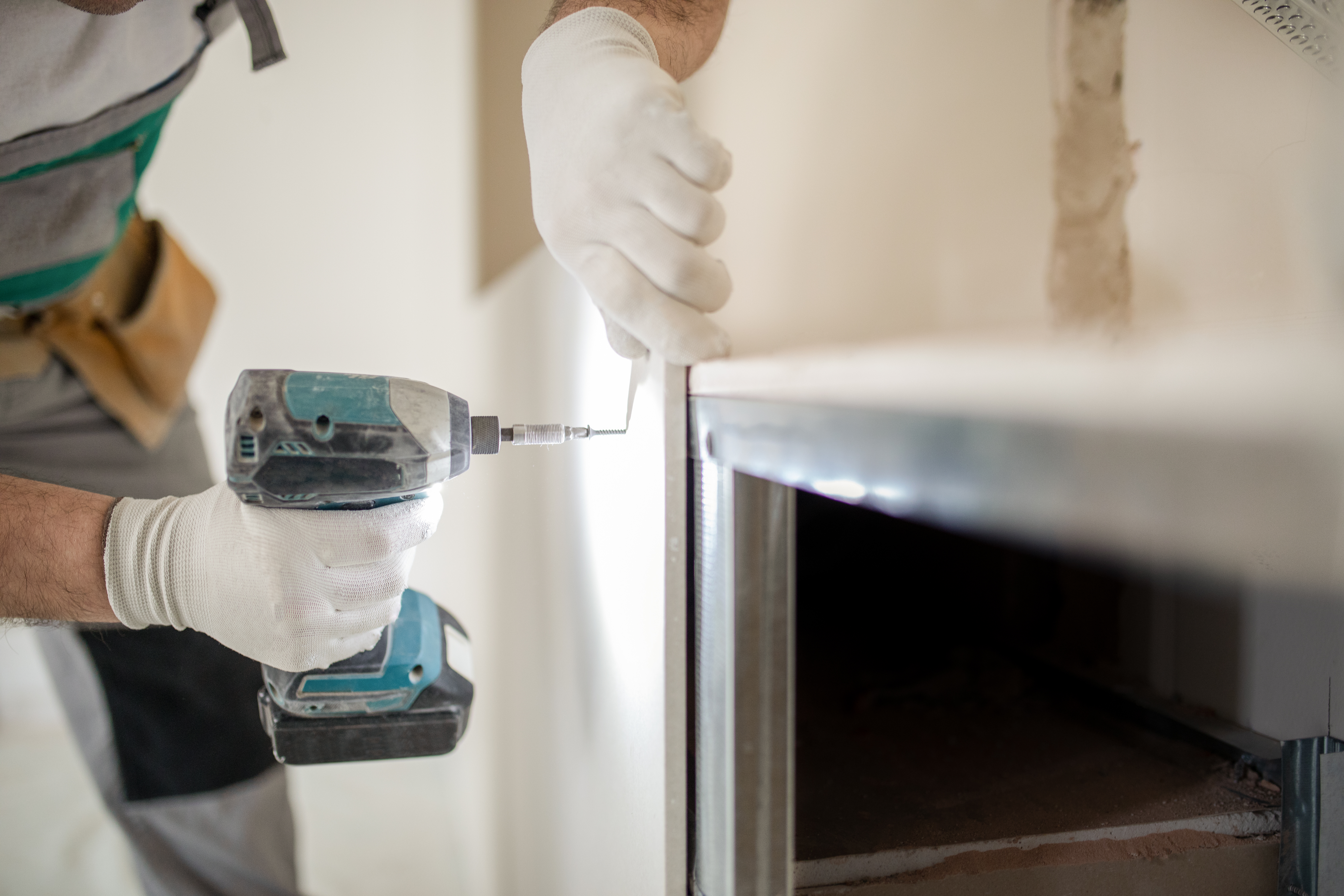
You should do a little bit of sanding between adding coats of mud. Knock down any ridges or significantly imperfect areas through sanding, which should help you apply the next coat of mud smoothly. If your first coat of mud is pretty smooth after it dries, a quick sanding is all you’ll need. Don’t forget to wipe away any dust after each sanding process.

The Plymouth, CA homeowners’ guide to drywall services

From average costs to expert advice, get all the answers you need to get your job done.