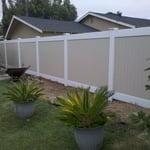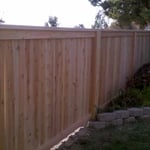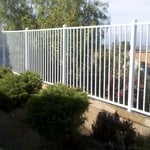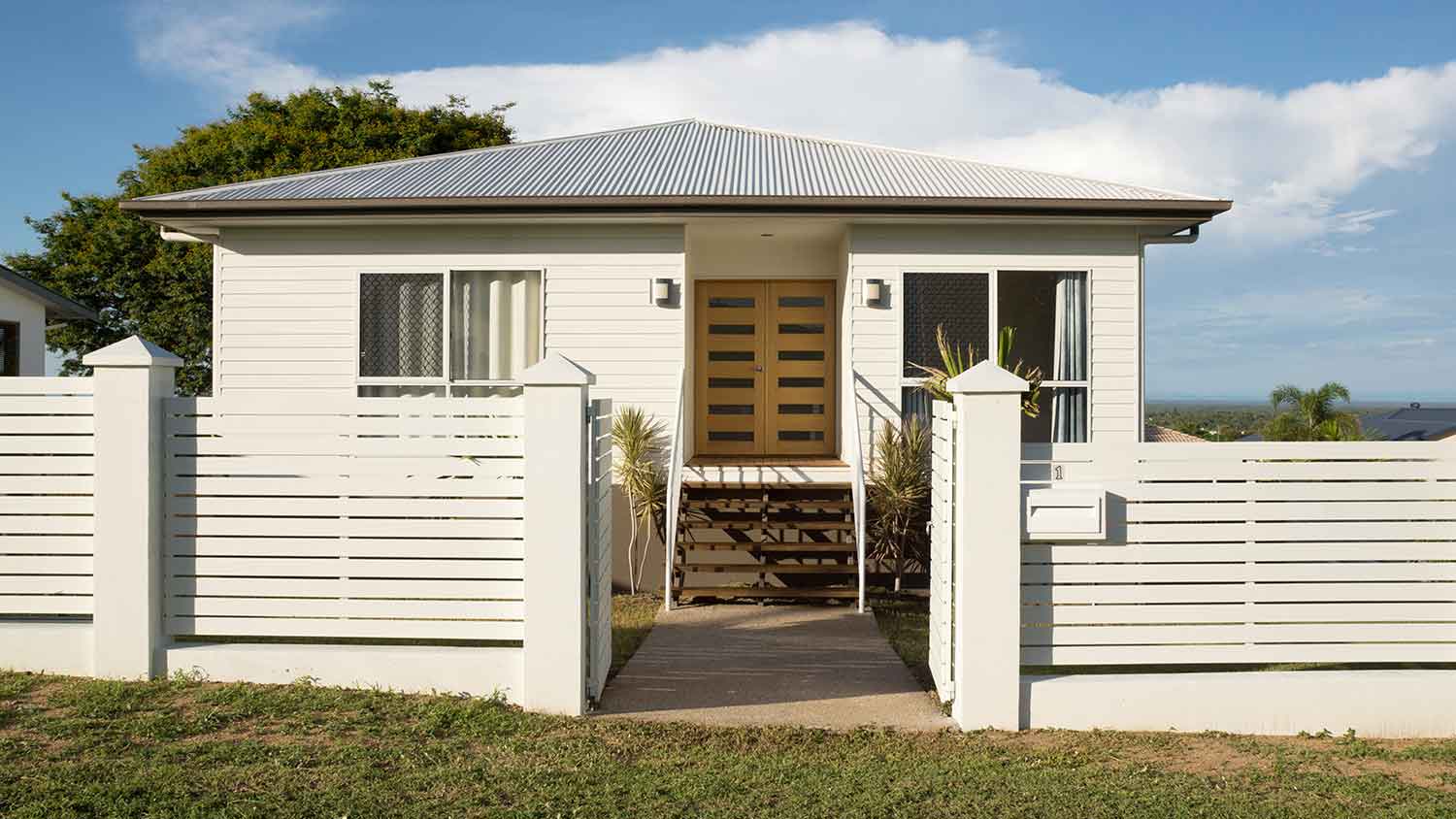







When it comes to materials, wire fences are the cheapest option. The average cost for a 150-foot wire fence is $1,350. The next cheapest material is chain-link, followed by wood.
As far as the style of fence, smaller, less private fences are cheaper than large, elaborate fences that block your whole yard. That’s why split-rail fences are the cheapest option for wooden fences. They cost roughly $10 to $30 per linear foot.
If possible, it is beneficial to paint both sides of your fence to protect the fence more completely from the elements. Painting both sides of your fence will create a more consistent appearance as well. However, the time and cost involved in painting both sides of the fence may cause people to paint only the side they see.
Who pays for a new fence between neighbors depends on its location relative to the property line. If you build the fence entirely on your property, you are solely responsible for the costs of installation, maintenance, and repair. If the fence is built directly on the property line, both neighbors are typically responsible for the costs. In this case, it is essential to consult with your neighbor beforehand to agree on a plan for payment. While you should always inform your neighbor of your plans in advance, you generally cannot force them to contribute financially unless there are specific local laws, such as in California, where both parties might be responsible for costs unless a different agreement exists. It's a good idea to get a property line survey to know the exact boundaries before building.
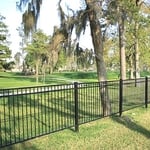
In most cases, wrought iron fencing will cause your property value to increase. Most types of fence—but especially high-quality wrought iron fences—make your home more secure and deter burglars, which adds to property value. Fences can also help keep children and pets safe, which most homebuyers will appreciate. Wrought iron fences are also highly decorative, and while they don’t provide much privacy, they do add to your home’s curb appeal, which often leads to higher home value.

There are a variety of second-story deck privacy ideas depending on your budget and aesthetic. For starters, you might consider fencing or tall privacy railing that masks a good portion of the open deck. A pergola or an awning can provide additional cover and shade. Outdoor curtains are an easy way to add or remove privacy at your convenience, plus they’re a wallet-friendly way to decorate your deck.
The Landers, CA homeowners’ guide to fencing services
From average costs to expert advice, get all the answers you need to get your job done.

Silt fence installation costs vary depending on the size of the lot, the fencing type, and the installation technique. Use this guide to get the budget right.
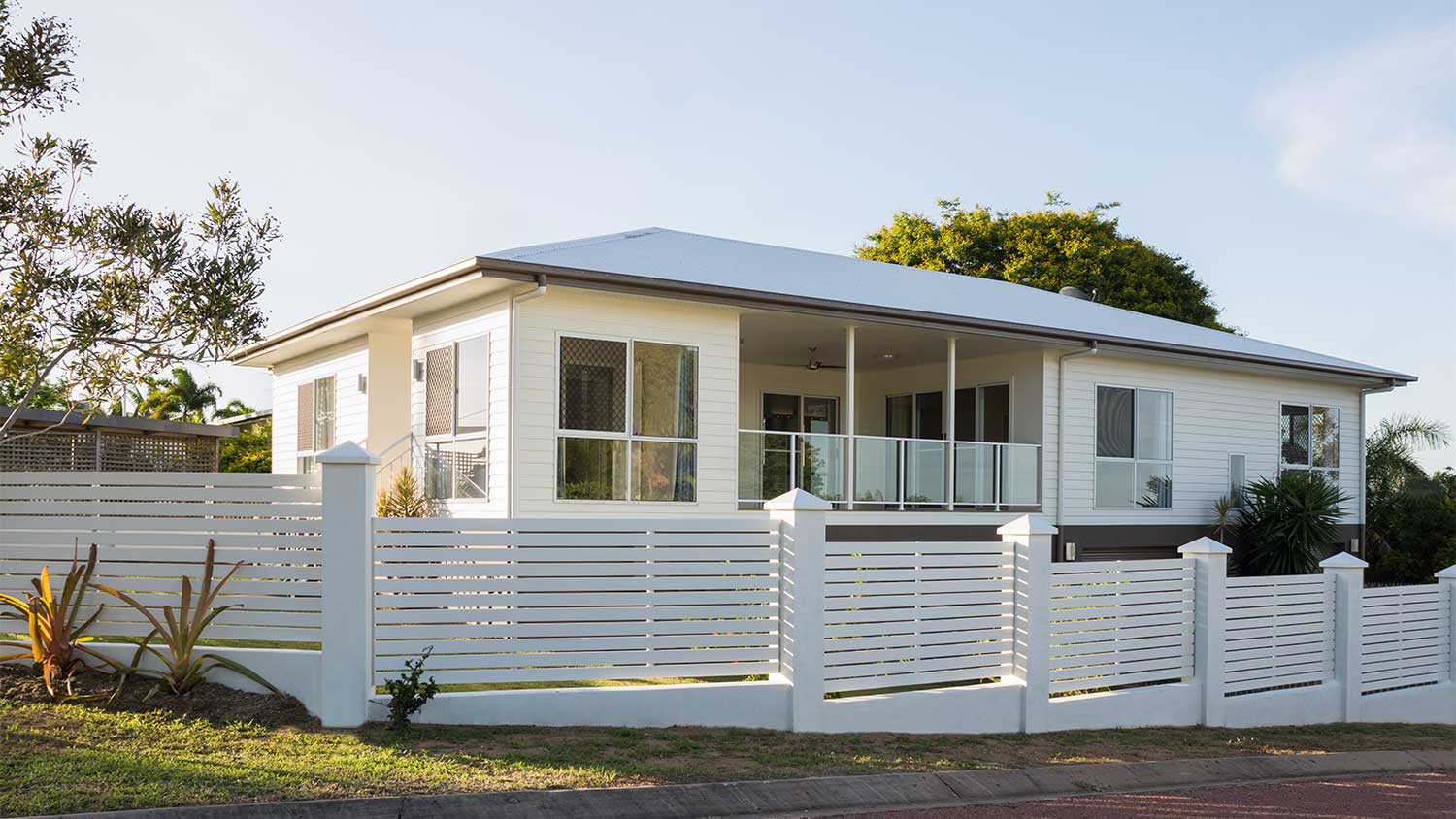
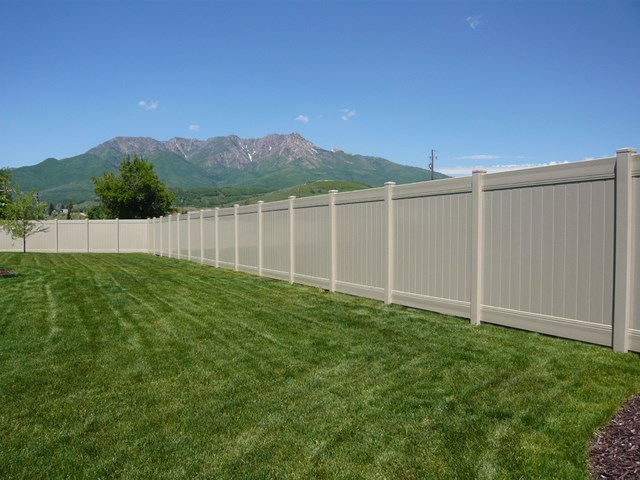
How much a privacy fence costs depends on several factors, including the size of the fence and the material used. Our cost guide breaks down these and other factors.