
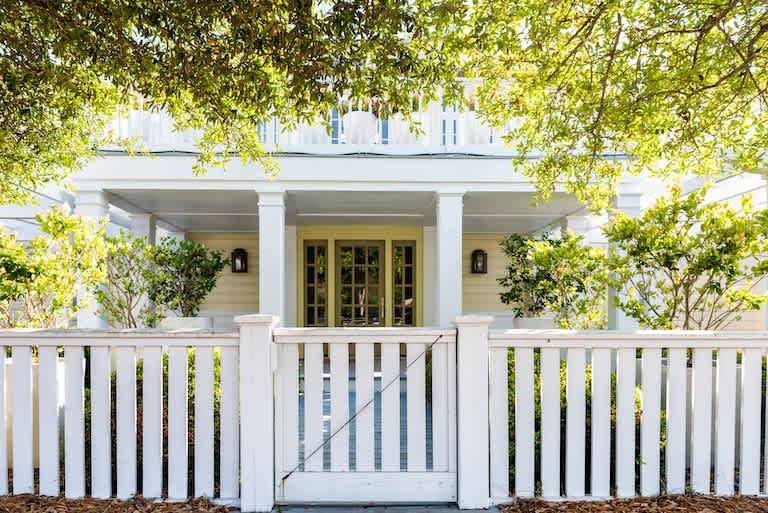
A new fence adds privacy, improves safety, and even boosts curb appeal. But how much does fence installation cost? Find out in this guide.
Fencing service costs depend on your project and location. Check with a local pro for your specific job.

Professional electric fence installation costs between $1,027 and $1,646 for your property, including materials and labor.
The fence type you choose between aboveground or underground systems and your property terrain determine your final installation total.
Account for electrical contractor fees, fence energizers, permits, and potential landscaping repairs when you create your project budget.
Hiring a local fence company ensures your electric fence installation is done safely and keeps your animals securely contained.
In 2026, homeowners across the country pay an average of $1,337 for electric fence installation, based on 2,968 verified projects from Angi Pros. Most homeowners spend between $1,027 and $1,646, with the total driven by fence type (aboveground versus underground), property size, and terrain.
Installing an electric fence costs between $2 and $6 per linear foot, including materials and labor. Knowing how much fence you'll need for your yard and animals can be tricky to guess—consulting a local fence installation company can help you determine the right size.
The table below shows average installed costs by fence length in linear feet:
| Electric Fence Size, Linear Feet | Average Cost, Installed in 2026 |
|---|---|
| 200 | $400–$1,200 |
| 300 | $600–$1,800 |
| 400 | $800–$2,400 |
| 500 | $1,000–$3,000 |
| 1,000 | $2,000–$6,000 |
If you have a large property filled with cattle or other livestock, you will need to price out your electric fence cost per acre. You can expect to spend between $1,000 and $5,000 per acre for your electric fence. If you are planning on an unusually shaped enclosure or a significantly large size, your labor costs might increase.
The table below shows average installed costs by acreage:
| Electric Fence Size, Per Acre | Average Cost, Installed in 2026 |
|---|---|
| 1/4 | $250–$1,250 |
| 1/2 | $500–$2,500 |
| 3/4 | $750–$3,750 |
| 1 | $1,000–$5,000 |
| 2 | $2,000–$10,000 |
| 3 | $3,000–$15,000 |
| 4 | $4,000–$20,000 |
Fencing contractor labor accounts for 50% to 70% of your total electric fence project cost, with labor adding $0.12 to $0.20 per linear foot on top of materials. Most contractors base their rates on the number of workers needed to meet your deadline. Permit fees can range from $50 to $200 and are obtained by the contractor on your behalf but passed along to you.
Electric fence installation costs vary significantly across the country. Material and labor pricing both shift based on regional demand and site conditions. The table below shows average installed costs for a 200-foot electric fence across several major U.S. cities:
| City, State | Average Cost for 200-Foot Electric Fence in 2026 |
|---|---|
| Salt Lake City, Utah | $550–$1,100 |
| Los Angeles, California | $700–$1,200 |
| Tampa, Florida | $250–$1,000 |
| Seattle, Washington | $625–$1,050 |
| Newark, New Jersey | $300–$1,100 |
| Atlanta, Georgia | $300–$900 |
| Chicago, Illinois | $325–$900 |
| Fargo, North Dakota | $300–$1,000 |

Though you can't put a price on animal safety, some factors will impact the total cost of your electric fence installation. Here's how the costs break down—whether you choose a simple fence or plan to install something more elaborate.
Aboveground installations average ($1 to $4 per linear foot) and are preferred for livestock and undomesticated animals because they provide a physical barrier that can still function if the power goes out. Underground invisible fencing ($2 to $6 per linear foot) is a popular alternative for dog owners who want to avoid the aesthetic impact of posts and wires. The table below compares key differences between the two fence types:
| Underground Electric Fence | Aboveground Electric Fence |
|---|---|
| $1–$4 per linear foot | $2–$6 per linear foot |
| Better option for pets | Better option for livestock |
| Aesthetically pleasing | Posts and wires visible |
| Fence can work around minor landscaping | Must keep property clear of obstructions near fence |
Some people believe invisible fences aren’t safe for dogs. If you want to consider an invisible fence, you should talk to your veterinarian about your specific pup. Additionally, some states and counties may not allow this type of fencing to be installed, so always check local ordinances.

A power surge or outage can temporarily disable an electric fence, leaving your animals vulnerable until power is restored. You can protect against this risk by installing backup safeguards such as solar chargers, batteries, or generators at an additional cost. These options vary widely in price, so choosing the right one depends on your property size and how long outages last in your area.
Solar charger cost: $100–$500
12-volt marine battery cost: $30–$300
Portable generator cost: $500–$2,000
Surge protector cost: $15–$45
Landscaping costs average $4.50 to $12 per square foot for most homeowners, and electric fence installation often triggers additional landscaping work due to excavation and ground preparation. Underground fences can follow a slight slope, but aboveground installations require leveling the ground first.
Any land preparation adds to your overall project cost, so it's worth budgeting for these common related projects:
Sod installation: $1–$3 per square foot
Topsoil installation: $12–$30 per cubic yard
Paver installation: $10–$30 per square foot
Land leveling: $0.50–$2.30 per square foot
Removing an old fence: $3–$5 per linear foot
Removing shrubs, trees, and stumps: $50–$2,000 per plant
If you're an experienced DIYer, installing an underground electric fence yourself is possible (and less expensive). While retail electric fences are less expensive, they also require much more work to install, including digging trenches and installing wires. The safest and most efficient way to install it is to hire a local fencing contractor.
If you're planning to install an aboveground electric fence, hiring a fencing contractor near you is always best. Because the material installation and the electrical components are complex, it's the safest option to let an experienced professional take on this task.
If you're on a budget, there are several ways to save on the cost of an electric fence. These tips will help you tighten your budget while still offering you (and your animals) safety. Here are the cost-saving options to weigh:
Choose a Wireless Fence: If you want to avoid the cost of paying an electrical contractor to hardwire your electrical fence, a wireless invisible fence can eliminate labor costs while saving you several hundred dollars on the actual fence. These "essentially DIY" electric fences plug directly into available outlets. While great for typical yards, they aren't always ideal for yards that need a custom boundary. They also typically won't provide coverage beyond half an acre.
Close in Your Boundary to Be Smaller: If you don't need to fence your entire yard, create a yard within your yard to reduce the size of the fence needed. You can also fortify strategic areas of an existing fence with electricity to protect entry points instead of paying to upgrade the full fence.
Reduce the Number of Strands: To cut costs, reduce your design to three wires on an aboveground electric fence. If you work with your fencing contractor to ensure the strands are spaced to provide proper coverage, fewer strands should sufficiently keep livestock in.
Home is the most important place on earth, which is why Angi has helped more than 150 million homeowners transform their houses into homes they adore. To help homeowners with their next project, Angi provides readers with the most accurate cost data and upholds strict editorial standards. We’ve surveyed thousands of real Angi customers about their project costs to develop the pricing data you see, so you can make the best decisions for you and your home. We pair this data with research from reputable sources, including the U.S. Bureau of Labor Statistics, academic journals, market studies, and interviews with industry experts—all to ensure our prices reflect real-world projects.
Want to help us improve our cost data? Send us a recent project quote to [email protected]. Quotes and personal information will not be shared publicly.
A reliable team for moves across state. My switch to a new place needed careful lifting through tight hallways. The movers checked the doorway first, then carried heavier pieces with slow, controlled movements. Their patience helped prevent damage, and I?d choose them again.
We have used Window Warriors many times with no issues. They arrived on time and were very professional . We have pets and Window Warrior team treated them very well, well trusted team.
 Window Warrior of Columbus, Inc.
We have bought and sold numerous times over the past 50 years. Sherman Hall and Top Line are top notch. Thorough and detailed, he explains every possibility, probability, and eventuality. High class and pleasant. The best.
 Top Line Home Inspections, LLC
Our homes curb appeal skyrocketed thanks to Custom Paint Jobs LLC s exterior painting.
 Custom Paint Jobs, LLC
Window Depot did an amazing job on my deck. I wasnt sure what I wanted to do, but their composite decking was affordable and will last a long time. I am excited to have family over, and I am no longer embarrassed by my backyard. Jeff and the ground crew were polite, respectful, and caring for...
 Window Depot USA of Central Ohio
Storms Mobile Welding was great to work with. They were prompt, professional and did an overall excellent job on the project. I highly recommend.
Great job...edging and pre clean up went well with a great job with seal coat. Friendly, efficient and professional.
 All Star Paving and Sealing
Did an amazing job transforming my yard. Also installed sod in places, would recommend to everyone.
 Cardinal Landscaping & Construction LLC
We hired Andrew and the team from Midwest Lightscapes for a custom lighting design and installation on a Victorian Village home. The house had outdated low-voltage halogen outdoor lights and many of them were not working. Andrew designed and installed a new system including uplighting on the...
 Midwest Lightscapes
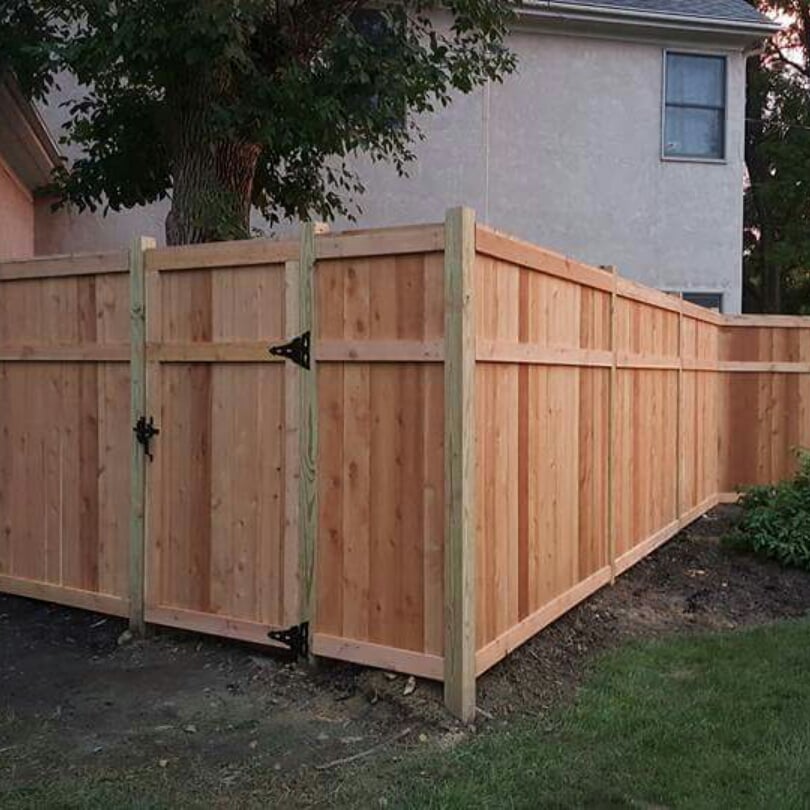
The work was completed in a day and a half. They cut small trees, pulled out an old swing set, pulled out railroad ties and left the place spotless when the job was complete. I am very happy with the fence and their efforts were above and beyond my expectations.
 Elite Fence
From average costs to expert advice, get all the answers you need to get your job done.
A new fence adds privacy, improves safety, and even boosts curb appeal. But how much does fence installation cost? Find out in this guide.
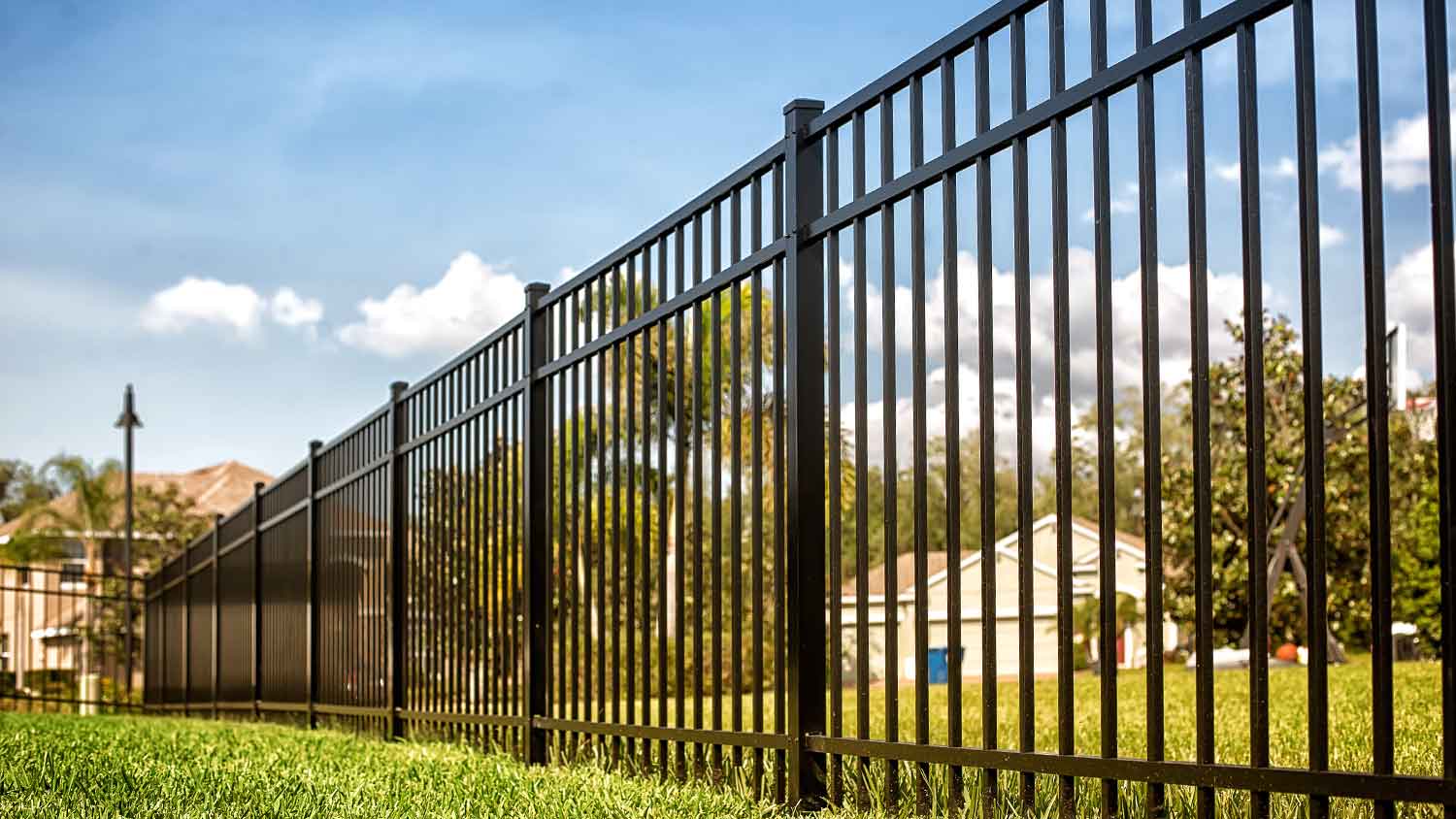
Metal fencing costs on the higher end to install, but when done correctly, it can last decades. Learn about which factors can influence your final budget.
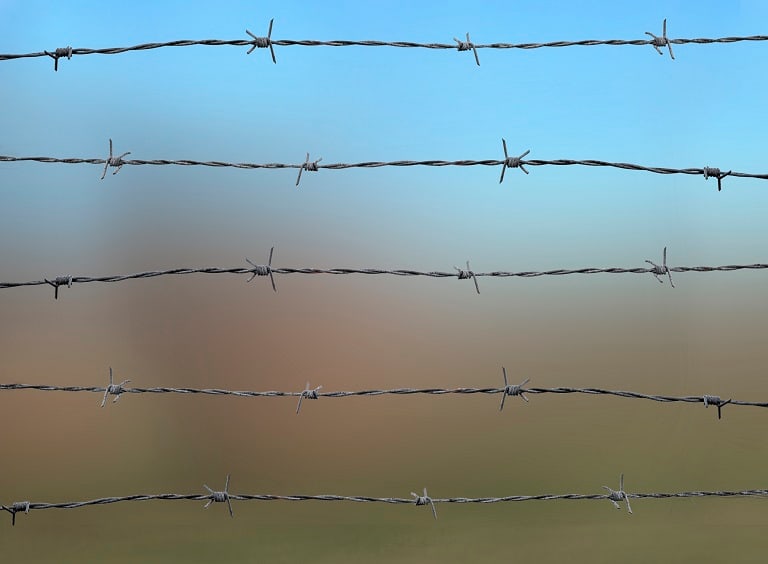
The cost of a barbed wire fence depends mainly on how large your property is. If you have a longer fence, you can expect to pay a few thousand dollars.

Unsure who to hire for electric fence installation? Compare fencing contractors vs. electricians and learn how pros deliver safe, reliable results.
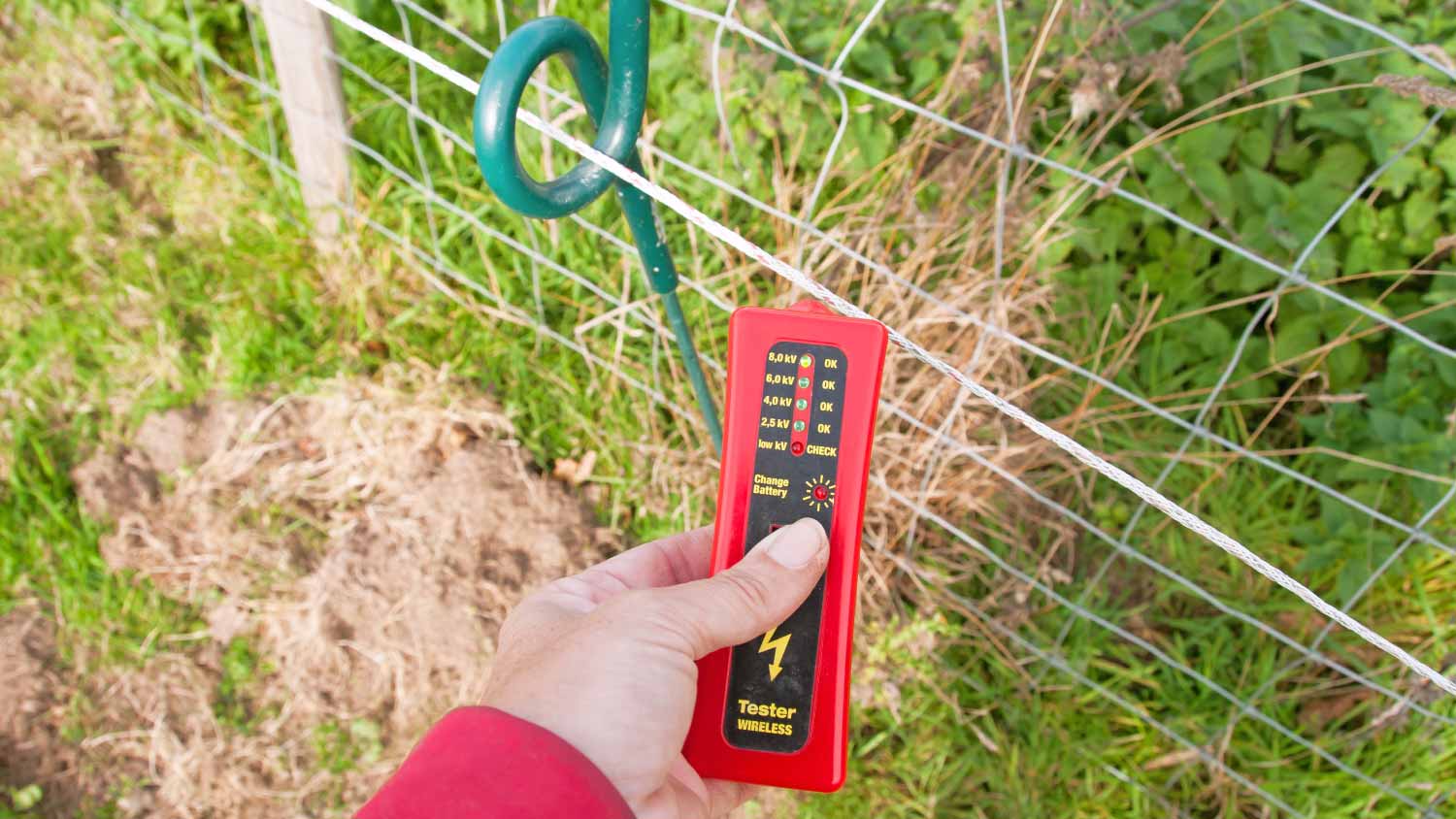
Find qualified electric fence pros for installation or repairs. Learn what questions to ask, credentials to check, and how to hire the best contractor.

Thinking about an electronic fence installation? Learn about system options, costs to expect, and how to hire the right local pro to keep your pets safe.