


Top-rated plaster repair specialists.

Get matched with top plaster repair specialists in Anza, CA

Enter your zip and get matched with up to 5 pros

Need a pro for your plaster repair project in Anza, CA?

Select your specific project to find the pro for you.

TRUSTED BY ANZA, CA HOMEOWNERS

  • Average homeowner rating star icon4.8
    Average homeowner rating
  • Verified reviews icon17
    Verified plaster repairs reviews

Find Plaster repair specialists in Anza

Avatar for Quality Remodeling & Design
Quality Remodeling & Design
4.6(
28
)
Plaster - InstallPlaster - Install - For BusinessPlaster - Repair+1 more

Serving Anza, CA and surrounding areas

In business since 2000

Free estimates

Credit card accepted

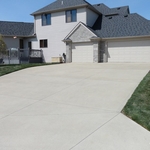
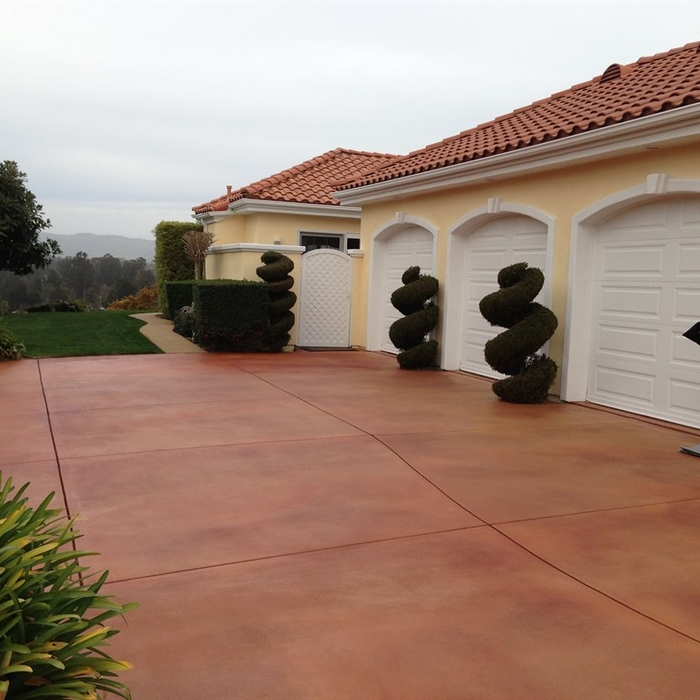
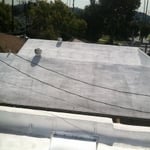
"This is a multi family  residence, more like an income property. After the use of many years and many cars in and out of the driveway. It had to be repaired someday. These guys came in quick and repaired and sealed the driveway. Took a few days but the final work was great!
"
Additional Photos
Additional Photos
Additional Photos
Additional Photos
Additional Photos

+1

Recommended by88%of homeowners
Avatar for Superior Plastering - Unlicensed Contractor
Superior Plastering - Unlicensed Contractor
3.9(
8
)
Plaster - Repair

Serving Anza, CA and surrounding areas

In business since 2000

Free estimates

Emergency services offered

"They were able to come out in a timely manner and do some drywall repairs. When I noticed some needed touch up, they were willing to come back and make the area better. Like thier customer service."
Not Completed
Completed
Not Completed
Completed
Driveways

+2

Response time1 day
Response rate85%
Recommended by71%of homeowners
Avatar for Ocean Seven Builders
Ocean Seven Builders
4.6(
68
)
Plaster - InstallPlaster - Install - For BusinessPlaster - Repair+1 more

Serving Anza, CA and surrounding areas

In business since 1994

Free estimates

Emergency services offered

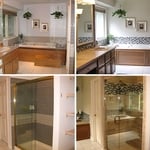
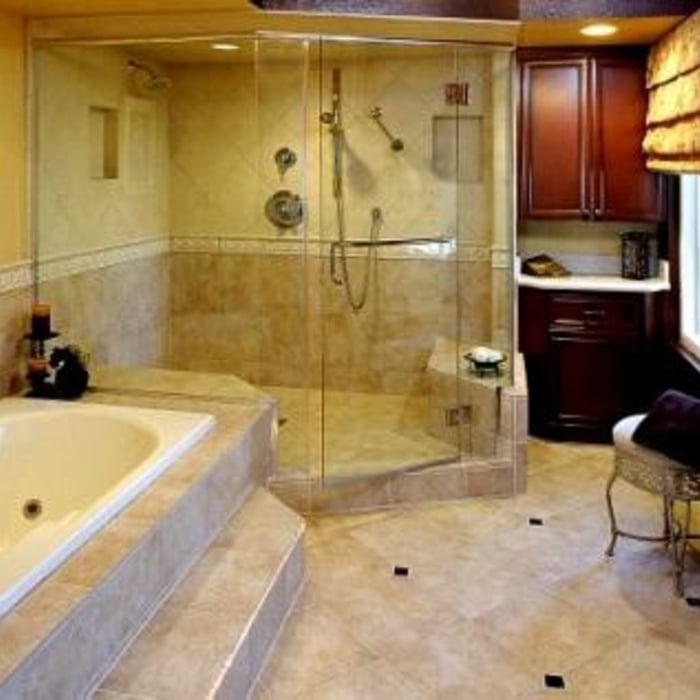
"Our bathroom was outdated and cramped, so we decided to remodel with Ocean Seven Builders. Ron was involved throughout the process and made sure we understood each step. What stood out most was how organized everything felt once the work began. The team was respectful of our home and finished the project close to the expected timeline. The final result looks modern and much more functional!"
Additional Photos
Additional Photos
Additional Photos
Recommended by59%of homeowners
...
Showing 1-10 of 59
Plaster Repair questions, answered by experts

Common causes include water leaks, settling, and impact. Address underlying issues to prevent recurring damage.

This depends on how much plaster is applied and in how many layers, but a decent estimate is around 150 square feet. If you are applying only two coats on a small wall, there is a chance you may only need one or two gallons for the entire project. If you are plastering a large living room wall with high ceilings, using one of the more involved techniques–like Scagliola–that requires several coats, expect the project materials costs to add up quickly. 

Professionals diagnose underlying causes, such as structural shifts or moisture problems, and apply appropriate solutions like reinforcement, patching, or sealing. These measures restore wall integrity and prevent recurrence, ensuring long-term stability.

Although they have similar applications, spackle and joint compound are not the same. Their primary differences lie in their composition, consistency, and ideal use cases.

Spackle is composed of gypsum and binding agents, making it thicker than joint compound. It dries quickly and is easy to sand, which makes it ideal for small wall repair projects like filling nail holes or patching minor damage.

Joint compound, also known as drywall mud, consists of limestone and gypsum. It is primarily used for large-scale projects, such as taping and finishing the seams on newly installed drywall. It tends to shrink more than spackle and can be more difficult to spread.

While both products can be used to fill small depressions and cracks, spackle cannot replace joint compound for taping and mudding new drywall. Conversely, you can often use joint compound for small patching jobs typically done with spackle.

Smaller is better when patching holes with spackle. Any holes wider than four to six inches in diameter tend to be too wide to repair with spackle alone. You'll likely want to patch bigger holes with a drywall panel. 

Even holes measuring up to 6 inches may be challenging to fill with spackle alone. For best results, purchase a wall repair patch made from wire mesh. Cut the patch to fit over the hole, then use the spackle to hold it in place. Apply the spackle over the patch as you would for a smaller hole.

The Anza, CA homeowners’ guide to plaster repairs

From average costs to expert advice, get all the answers you need to get your job done.