





Top-rated excavation pros.

Get matched with top excavation pros in Parks, AZ

Enter your zip and get matched with up to 5 pros

Need a pro for your excavation project in Parks, AZ?

Select your specific project to find the pro for you.

Find Excavation pros in Parks

Avatar for Linden Pearce Construction, LLC
Linden Pearce Construction, LLC
New to Angi

Serving Parks, AZ and surrounding areas

Approved

In business since 2009

Free estimates

Offers commercial services

Linden Pearce Construction LLC is committed to excellence in every aspect of our business. We uphold a standard of integrity bound by fairness, honesty, and personal responsibility. Our distinction is the quality of service we bring to our customers. Accurate knowledge of our trade combined with ability is what makes us true professionals. Above all, we are watchful of our customers' interests, and make their concerns the basis of our business. Over 35 years of experience.

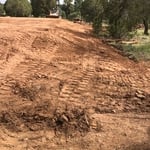
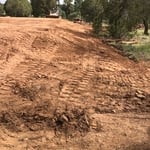
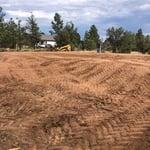
Building Pad
Fred Trivet
Fred Trivet
Fred Trivet
Fred Trivet

+7

Response time2 days
1 neighbors recently requested a quote

Avatar for Braden Excavating
Braden Excavating
5.0(
1
)

Serving Parks, AZ and surrounding areas

In business since 2022

Free estimates

Small jobs welcome

"Travis, is very helpful and professional. When I wanted to get my project going! He is meticulous with his work! Hi highly recommend his work to anyone needing conduit/trench work done! He is well experienced in installing electrical and water line’s among blading and building a pad!"
Response time7 hrs
Avatar for J2 Excavating, LLC
J2 Excavating, LLC
New to Angi

Serving Parks, AZ and surrounding areas

In business since 2024

Free estimates

Credit card accepted

Locally owned and operated in Northern Arizona. Specializing in smaller residential excavation, including: septic systems, sewer lines, demolition, site prep, water collection, dump truck hauling, and many other related services.\n

1 neighbors recently requested a quote
Showing 1-10 of 18
Excavating questions, answered by experts

Landscape edging is more DIYable than trenching. You can DIY your own digging projects, but proceed carefully and only with proper knowledge of the equipment and appropriate safety measures in place. Keep in mind the project's scope and estimate how long it will take you to do it on your own. While you can certainly save money by DIYing home improvement projects, you can’t exactly hide an unfinished—or worse, ruined— landscaping job from the neighbors. It’s always safer to call an excavation pro near you to get an estimate.

We recommend removing the stump, and grinding is a popular way to do it. You can also dig out small stumps or stumps that have fully decayed instead of grinding them. However, don’t try using acids or fire for killing a tree stump, which is a fire hazard and illegal in many areas.

Leaving the stump alone invites eventual problems, including attracting termites, mold, and fungi.

There are several methods to hollow out a tree stump, and the best one depends on your tools, experience, and priorities. Common methods include using a chisel and hammer, a chainsaw, or burning.

  • Chisel and Hammer: This is often considered the easiest approach for those with limited tools or experience, though it is the most time-consuming.

  • Chainsaw: Using a chainsaw is the fastest method, but it comes with significant safety risks, especially for inexperienced users.

  • Burning: This can be an effective method, but it is not recommended unless you can first drill holes into the stump. Without holes, the stump will be difficult to light and may not burn completely through.

A power drill with at least a ⅜-inch diameter bit can make the job quicker and easier, regardless of the primary method. While you can use a chisel or chainsaw without a drill, it will require more time and effort. Always wear protective goggles and thick gloves, as splinters are an inevitable risk.

A trench that is less than 5 feet deep often doesn't require a protective system. Most residential trenches will not go this deep (the typical residential drainage trench is just 18 inches deep). In the event that an excavator needs to dig more than 5 feet beneath the surface, a protective system is required unless the excavation is in entirely stable rock.

No, fire blight does not survive free in the soil but instead is carried through insects, animals, rain, or wind during the spring. Keep in mind that it can also spread on tools, which is why you should always disinfect them in between cuts.

The Parks, AZ homeowners’ guide to excavation services

From average costs to expert advice, get all the answers you need to get your job done.