

The water main line is essential to your home’s plumbing. Over time, it can develop wear or damage. Find out how much a main water line replacement costs here.
Dig through the big differences

Trenching and boring both create underground passages for utilities, but trenching digs an open channel while boring drills beneath the surface without disturbing your landscaping.
Trenching is simpler and less disruptive for straightforward projects, while directional boring works best when you need to pass beneath buildings, roads, or bodies of water.
Your choice depends on project complexity, soil conditions, surface obstacles, and whether you want to preserve existing landscaping, roads, or structures on your property.
Hiring a local excavation company provides reliable support for both methods, helping you navigate permits and ensuring safe digging around existing utility lines.
Boring and trenching are two distinct terms for digging a narrow passage in the earth for installing underground utilities. Trenching involves digging with tools or machinery, and directional boring uses an auger to create a tunnel for pipes and wires. Learn about boring versus trenching to determine the proper method for your project and when to hire a pro.

In the process of boring, a contractor uses an auger to drill beneath the earth’s surface to create a passageway for utility lines. Trenching involves using a digging tool to create a deep, narrow hole.
Trenching is a simpler, less expensive process, but it can disturb landscaping, roads, and the surrounding ecosystem. Directional boring doesn’t disturb the surface environment and can pass underneath buildings, roads, and bodies of water. Boring is more expensive, but it can be the right solution for complex projects.
| Type of Difference | Boring | Trenching |
|---|---|---|
| Common uses | Underground utilities | Underground utilities, drainage |
| Appropriate properties | Complex | Simpler |
| Tools | Advanced machinery | Any digger |
| Soil disruption | Low | Medium |
| Safety | Some risks | More risks |
| Efficiency | High | Moderate |
| Cost | Expensive | Moderate |
| Complexity | High | Low |
| DIY vs. hiring a pro | Always call a pro | Can DIY with precautions, but will get a better outcome with a pro |
Both boring and trenching are used for installing underground utilities, including water, sewer, and gas lines, as well as power and communication cables. You can install more than one utility in the same hole if it meets local regulations.
Some municipalities require a layer of sand beneath gas lines, however. In those cases, trenching is the only option.
Directional boring, also called horizontal directional drilling (HDD), is extremely precise and great for laying pipes and wires in complex environments, like under roads and buildings and near sensitive ecosystems and wetlands. It’s a great choice when trenching isn’t an option. Trenching is ideal for simpler terrain without buildings, roads, and bodies of water.
Trenching and boring both require construction permits, and boring requires additional regulatory compliance.
Boring uses a surface-launched drilling rig, drill string, downhole boring motor, and steering tool. The drills use sensors to provide details on the tool's face and angle. You should not operate a boring machine on your own.
Trenching involves digging with a trencher, shovel, backhoe, excavator, or mico-trencher, depending on your project. Once the utility lines are in the trench, you backfill the space with soil. You can DIY dig a trench with a shovel or backhoe, but consider hiring a pro if you have a bigger job that needs a trencher.

Boring causes minimal disruption and prevents environmental damage to trees, buildings, roadways, and wetlands. Because it doesn't disrupt the soil, it keeps your lawn, garden, and landscaping intact.
Trenching is often more disruptive to the ecosystem and surrounding area, and it can cause soil erosion. Sometimes, no matter the method, you’ll need to restore the surface and landscaping by reseeding grass.
Boring is safer than trenching, but you need to hire someone who knows how to operate complex heavy machinery. With deep trenching, there can be falls, cave-ins, and other risks, especially without the proper training and safety mechanisms in place. If you think you need a deep trench, call an excavation expert for help.
Directional boring is fast and precise, reducing cleanup time and costs. Trenching is efficient, too, especially if there is a clear path for digging. However, because trenching is more disruptive, you’ll spend more time, money, and energy during digging and cleanup.
Trenching is significantly less expensive than directional boring due to simpler machinery, techniques, and required training. Trenching costs $5 to $12 per linear foot, and directional boring costs $10 to $30 per linear foot. The cost of the project depends on the length and type of the utility line, soil conditions, restoration after the installation, and access to the property.
Trenching is less expensive than boring on properties with few obstructions and good soil conditions. But with boring, you can avoid high-cost potential expenses, such as demolishing buildings or repairing lawns and roads.
Directional boring requires training and careful use because of its advanced technology. The equipment can get stuck in the soil, and it’s difficult to inspect closed-off boreholes and adjust installation if needed. Trenching is a simpler process, has more straightforward tools, and allows for visual inspections. You can see to the bottom of the trench and make adjustments during pipe and cable installations.
Trenching can be a DIY project if you’re working with a micro-trencher or machines you’ve used before, such as a backhoe. However, if you’re not confident that you can operate heavy, dangerous machinery in a safe way, do not try to use a trencher on your own. A local excavation pro can offer you a better outcome without you having to put a lot of labor in.
If you do proceed with DIY trenching, follow safety precautions to avoid cave-ins and falls. You’ll also need to call 811 before you dig and apply for a construction permit.
Directional boring is definitely not a DIY project because it requires specific training with complex machinery. Even small mistakes can increase the risk of personal and property damage and even death. Call an excavation pro for a quote on your project if you think boring is best for your project.
Jason has helped me with multiple household projects, with the most recent being new door installation. He has always showed up on time and organized and has done an incredible job! Jason is very professional and he's now my go-to for anything around my house that needs to be fixed or...
 Huff Garage Rescue, LLC
Amazing job. Efficient and quick without compromising quality. Basement feels brand new. Would use them again in a heartbeat.
 AffordaPro Restoration
Best cleaning I've had at my property
This company is my go to resource for all my post renovation clean ups. They get the place spotless! All we have to do after is stage the place and sell, sell, sell! They are super professional and have some amazing scent that is left in every property. I highly recommend!
 The Royal Sanitation Group
Custom Paint Jobs LLC took our exterior from drab to fab! We couldnt be happier.
 Custom Paint Jobs, LLC
We had our houses windows and back door replace this summer by Window Depot USA of Central. He gave us grate advise and saved my family lots money. The team did a fantastic job with installation. If you need help, they sure get job done right!
 Window Depot USA of Central Ohio
Beginning with the estimate, Larry and Peyton were super helpful in getting my new condo's interior re-painted. Not only was the job well done, but also done in a super timely manner as promised.
 Five Star Painting of Plain City and Powell
Great job...edging and pre clean up went well with a great job with seal coat. Friendly, efficient and professional.
 All Star Paving and Sealing
Did an amazing job transforming my yard. Also installed sod in places, would recommend to everyone.
 Cardinal Landscaping & Construction LLC
Very knowledgable, very respectful and did a great job. They take pride in their work and it shows. I would highly recommend Dad's Home Repair and Excavation.
 Dad's Home Repair & Excavation
From average costs to expert advice, get all the answers you need to get your job done.
The water main line is essential to your home’s plumbing. Over time, it can develop wear or damage. Find out how much a main water line replacement costs here.
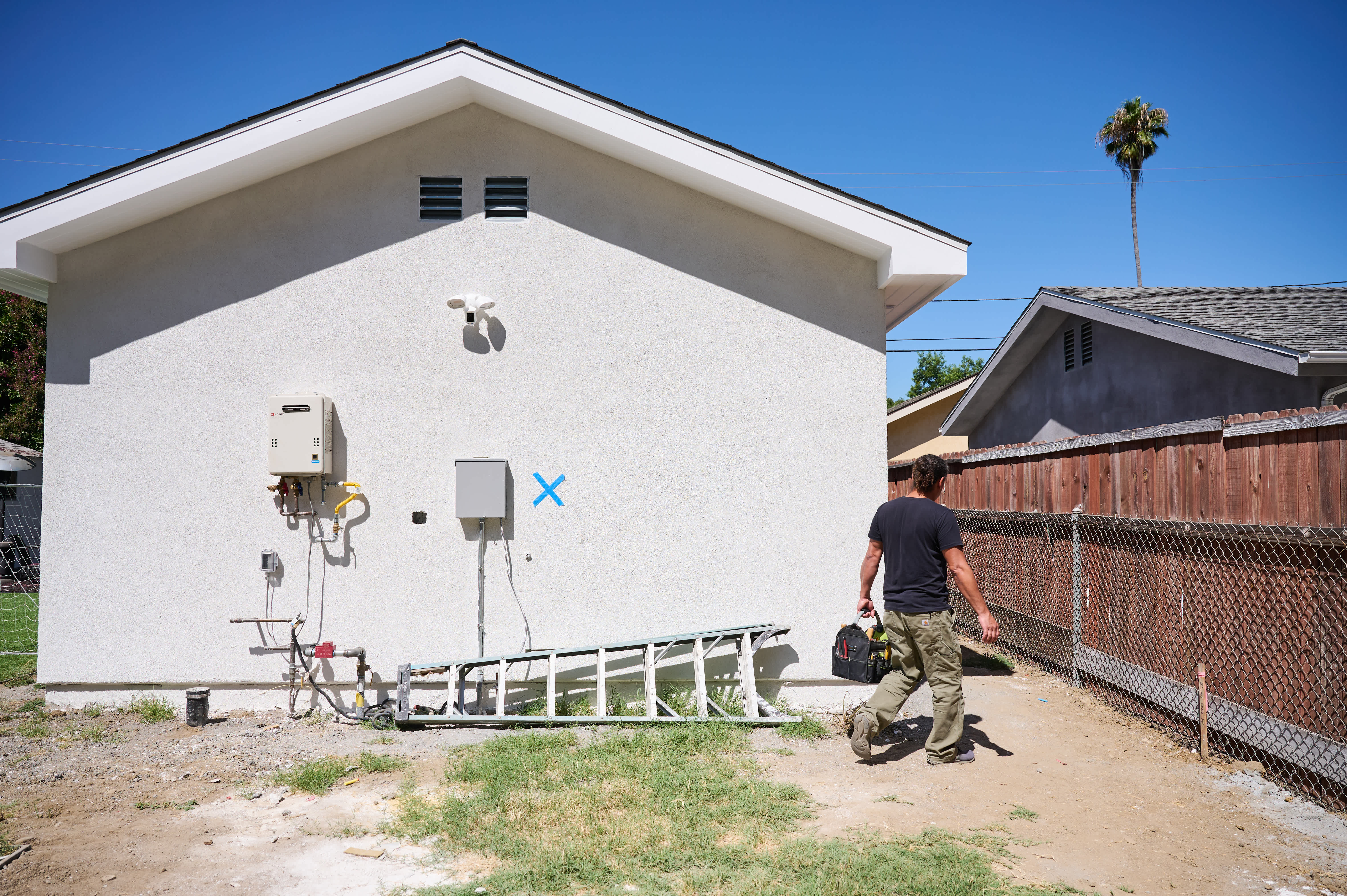
Before you hire a licensed electrical contractor, you should learn the cost to run electric from the road to your house so you can budget for the project.
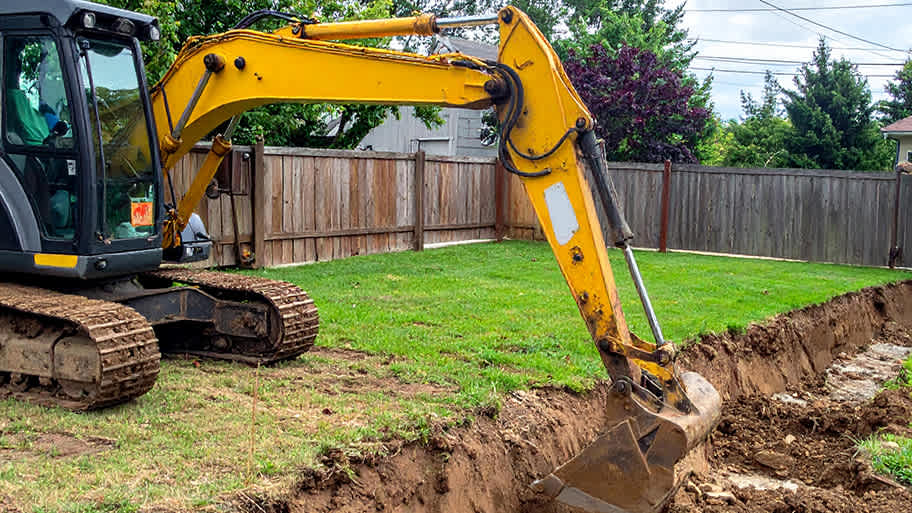
Digging a trench is usually the first step in a larger home project. Our trenching cost calculator breaks down the factors that affect the price tag of this job.
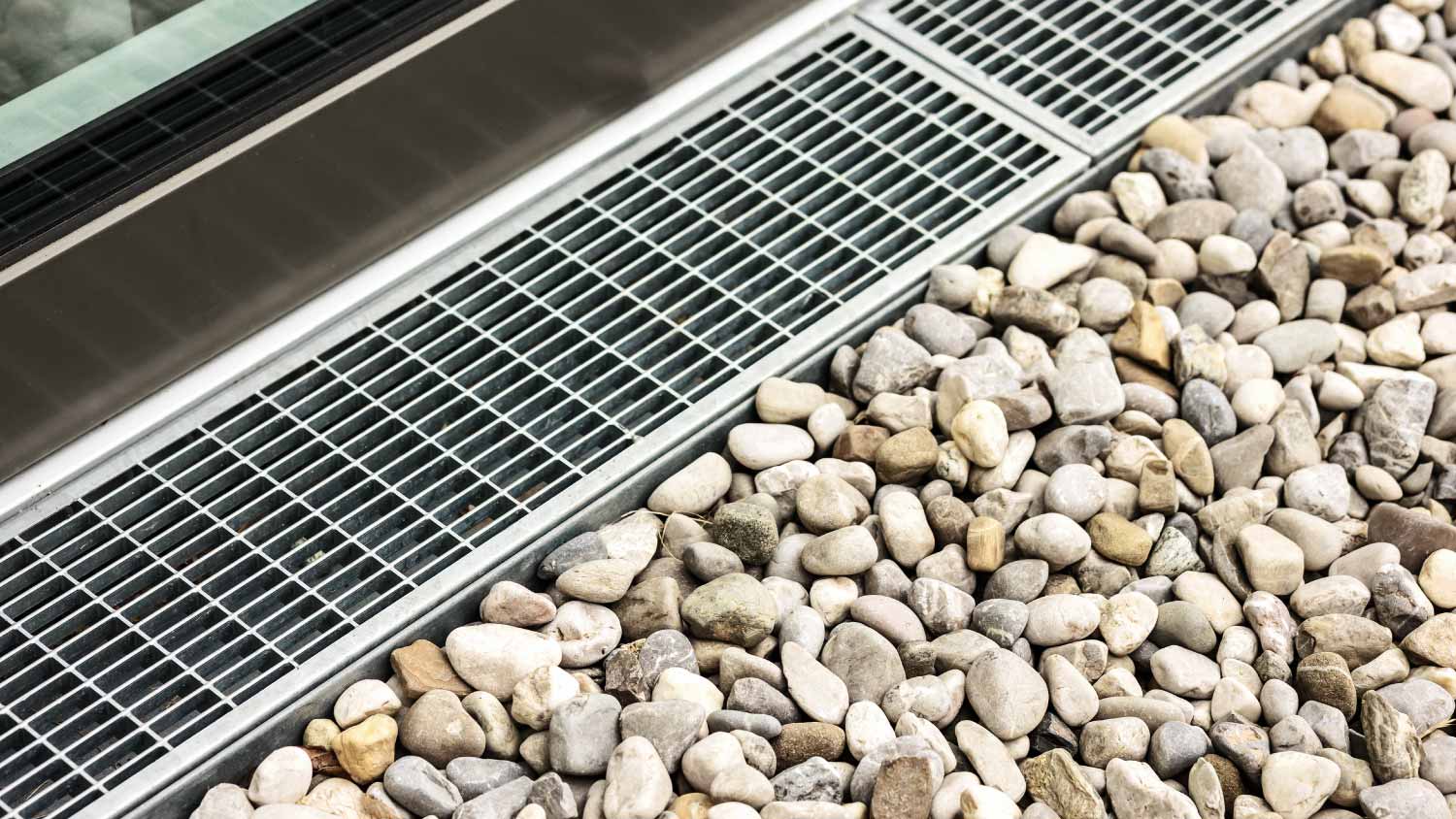
Deciding between a French drain and trench drain is a big decision. Check out the pros and cons of each, plus which drain system will work best for your home.
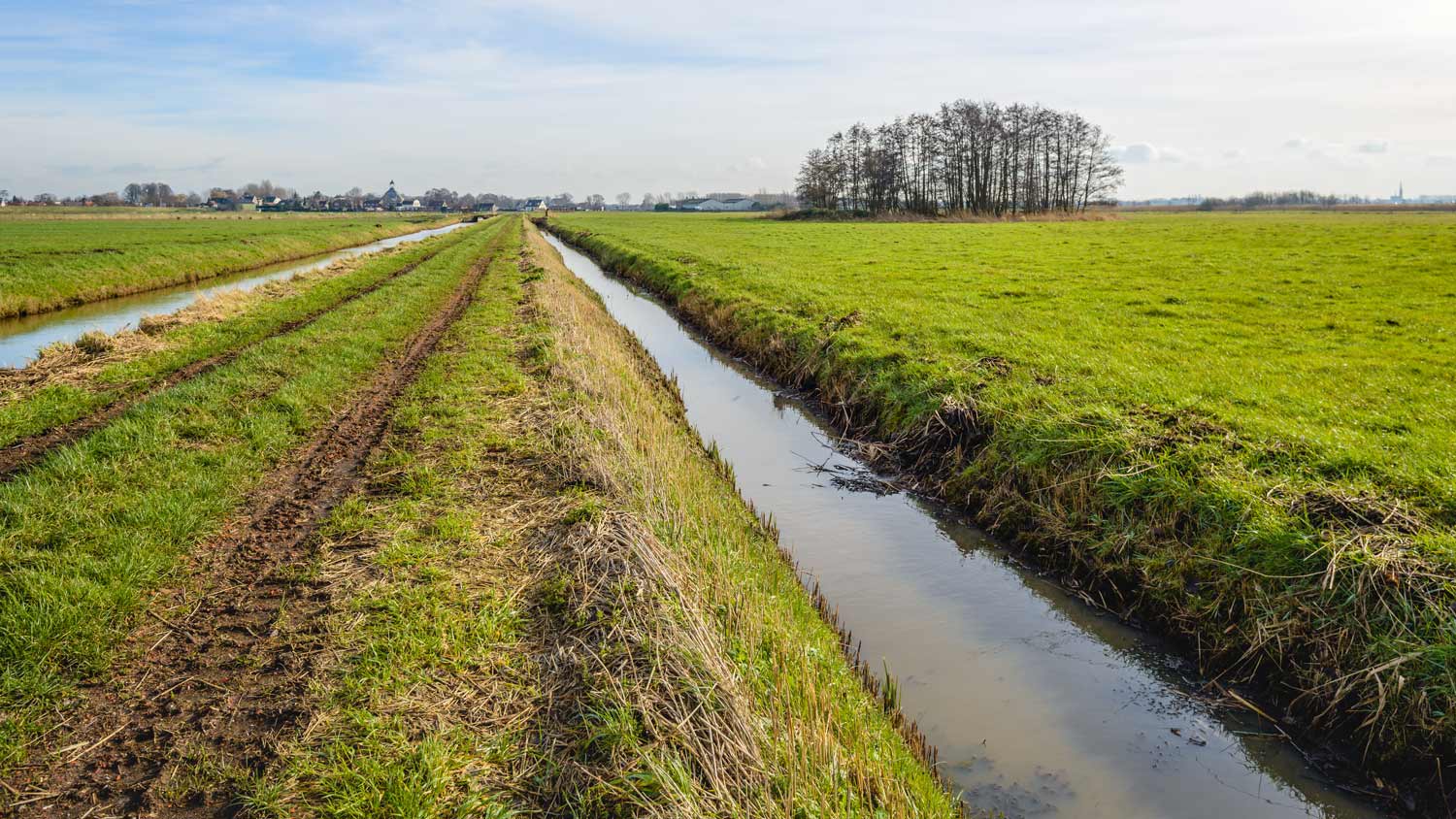
Trenches and ditches both involve excavation, but they serve different purposes. Unsure which one you need? Let’s compare a trench versus a ditch.
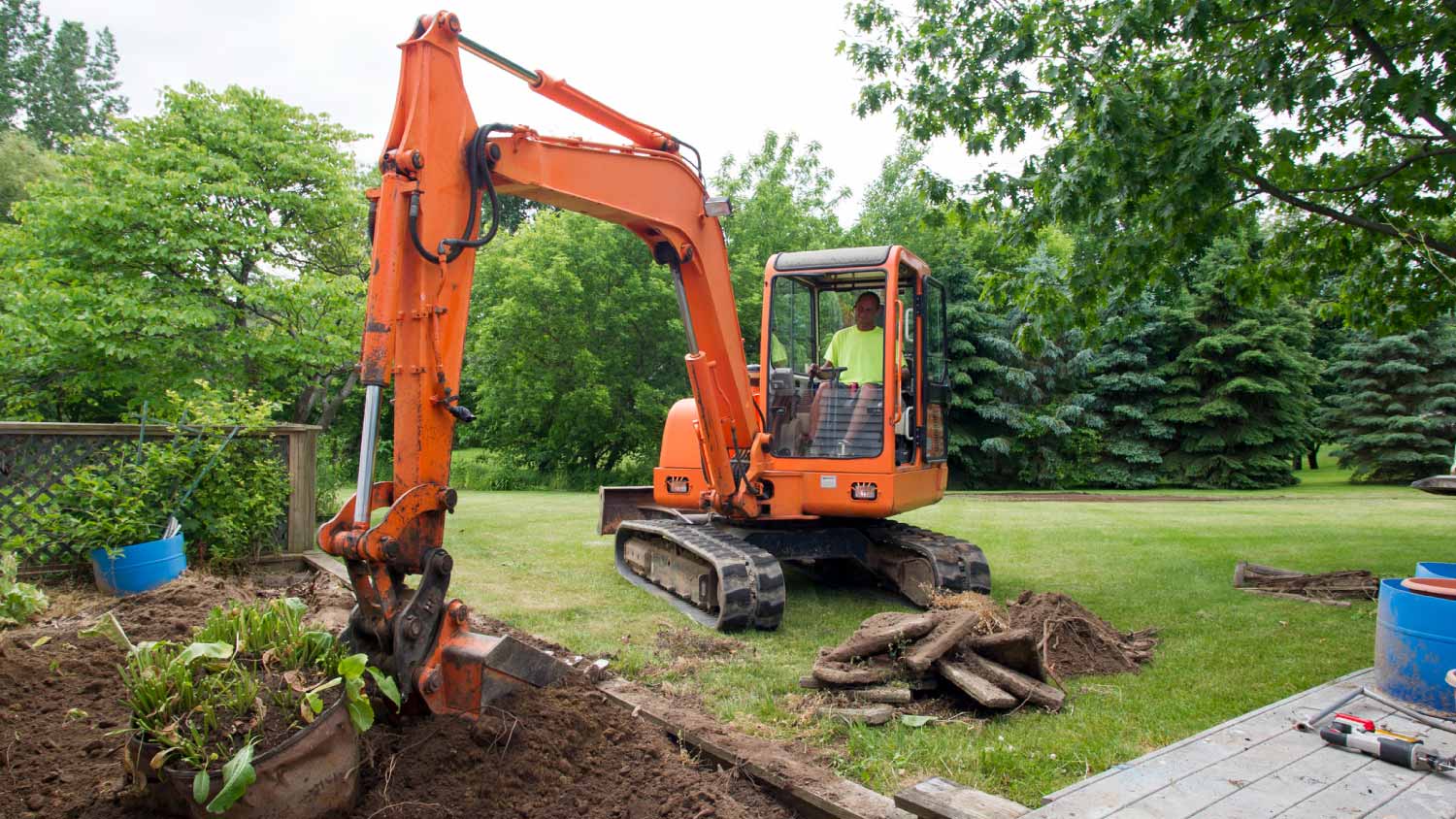
Excavation is any digging into the earth’s surface, and trenches are a deep, narrow type of excavation. Learn more about excavation versus trenches.