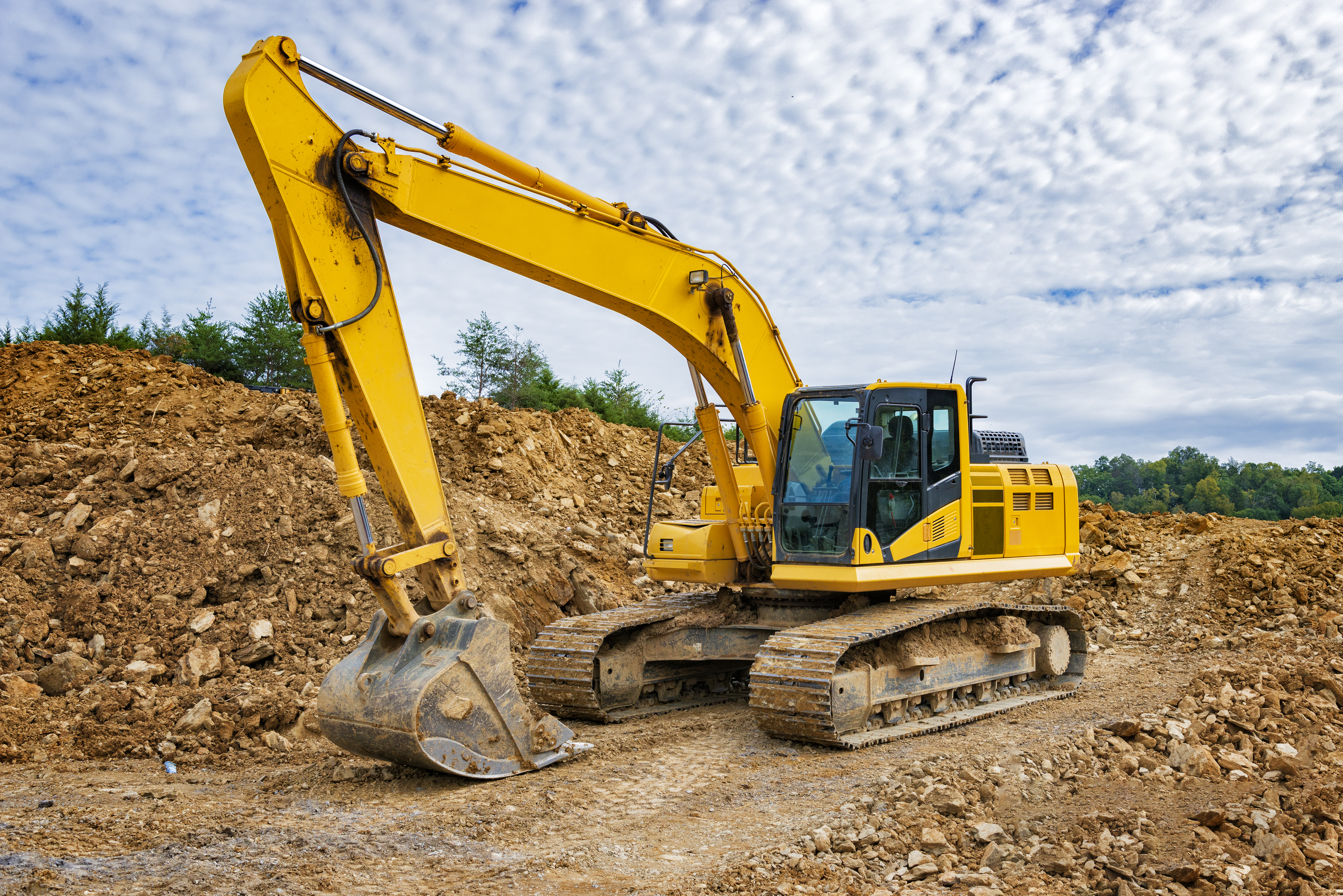

Top-rated excavation pros.

Best excavation pros near Ash Fork, AZ

Enter your zip and get matched with up to 5 pros

Need a pro for your excavation project in Ash Fork, AZ?

Select your specific project to find the pro for you.

Top-Rated Excavation pros in Ash Fork - Updated Nov 2026

Avatar for Shepherd Contracting
Shepherd Contracting
5.0(
15
)
Building Site - Preparation and ClearingBuilding Site - Preparation and Clearing - For Business

Serving Ash Fork, AZ and surrounding areas

Approved

In business since 2019

Free estimates

Credit card accepted

"I can’t say enough great things about Shepherd Contracting! From start to finish, they made my kitchen remodel an absolute breeze. I had braced myself for months of chaos, dust, and disruption, but they completely shattered those expectations. Their team understands that you’re living in your home during the renovation and goes out of their way to make it as comfortable as possible. The attention to detail, clear communication, and professionalism were second to none. They kept everything on schedule and clean throughout the process. Not only did they deliver a stunning kitchen that exceeded my expectations, but they also made what is usually a stressful experience smooth and hassle-free. If you’re looking for a contractor who genuinely cares about their clients and goes above and beyond to deliver both quality craftsmanship and exceptional service, look no further than Shepherd Contracting. I would recommend."
My jobs
My jobs
My jobs
My jobs
My jobs

+40

4 neighbors recently requested a quote
Showing 1-10 of 19
Excavating FAQs, answered by experts

Trenches are typically 12 to 24 inches deep and 8 inches wide. However, the required depth depends on the specific project and local ordinances. For example, a French drain may need to be 18 inches deep, while a water pipe might require a depth of 24 inches and a drainage pipe 36 inches. Your city or county may have specific regulations, so it's wise to consult with an excavation professional to determine the correct depth for your project.

No, you typically cannot use metal detectors to find your sewer line. Most sewer lines are made of non-metallic materials such as PVC, clay, or cast iron, which are not detectable by standard metal detectors. Metal detectors are designed to locate metallic objects, so they won't be effective for identifying the path of a non-metallic sewer line. To locate your sewer line accurately, it's best to use other methods.

In the United States, a depth of 36 inches (three feet) for underground water lines is the accepted industry standard. This depth varies from location to location based on local conditions. In areas with colder winters, they may be buried deeper to prevent frozen well water pipes : This is usually at least six inches below the frost level. The International Plumbing Code calls for a minimum of 12 inches below grade.

The cost to drill a well varies, with a national average of around $5,500 for a 150-foot well. However, prices can fluctuate significantly based on several factors, including your location, the required well depth, geological conditions, local regulations, and the specific drilling methods used. For the most accurate cost assessment, it is best to research and get quotes from local well-drilling professionals in your area.

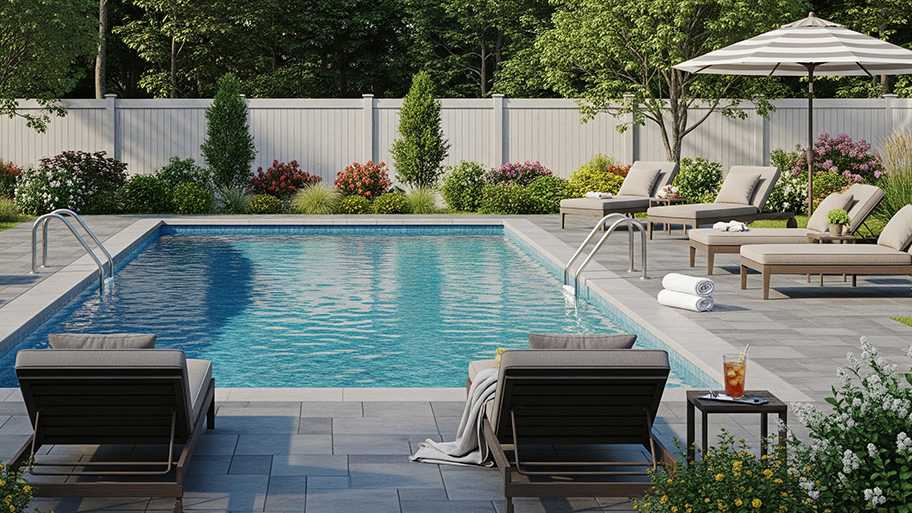
Above ground pools are not buried in the ground. Typically, above ground pools are semi-permanent. One reason they’re more affordable is that you don’t have to dig for an inground pool and pour concrete or another material. However, you can choose to install a semi inground pool, which is a hybrid between the two.

The Ash Fork, AZ homeowners’ guide to excavation services

From average costs to expert advice, get all the answers you need to get your job done.