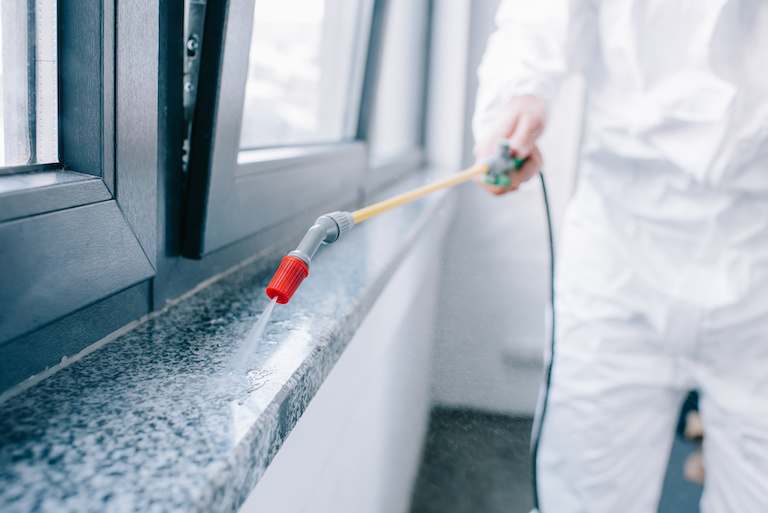
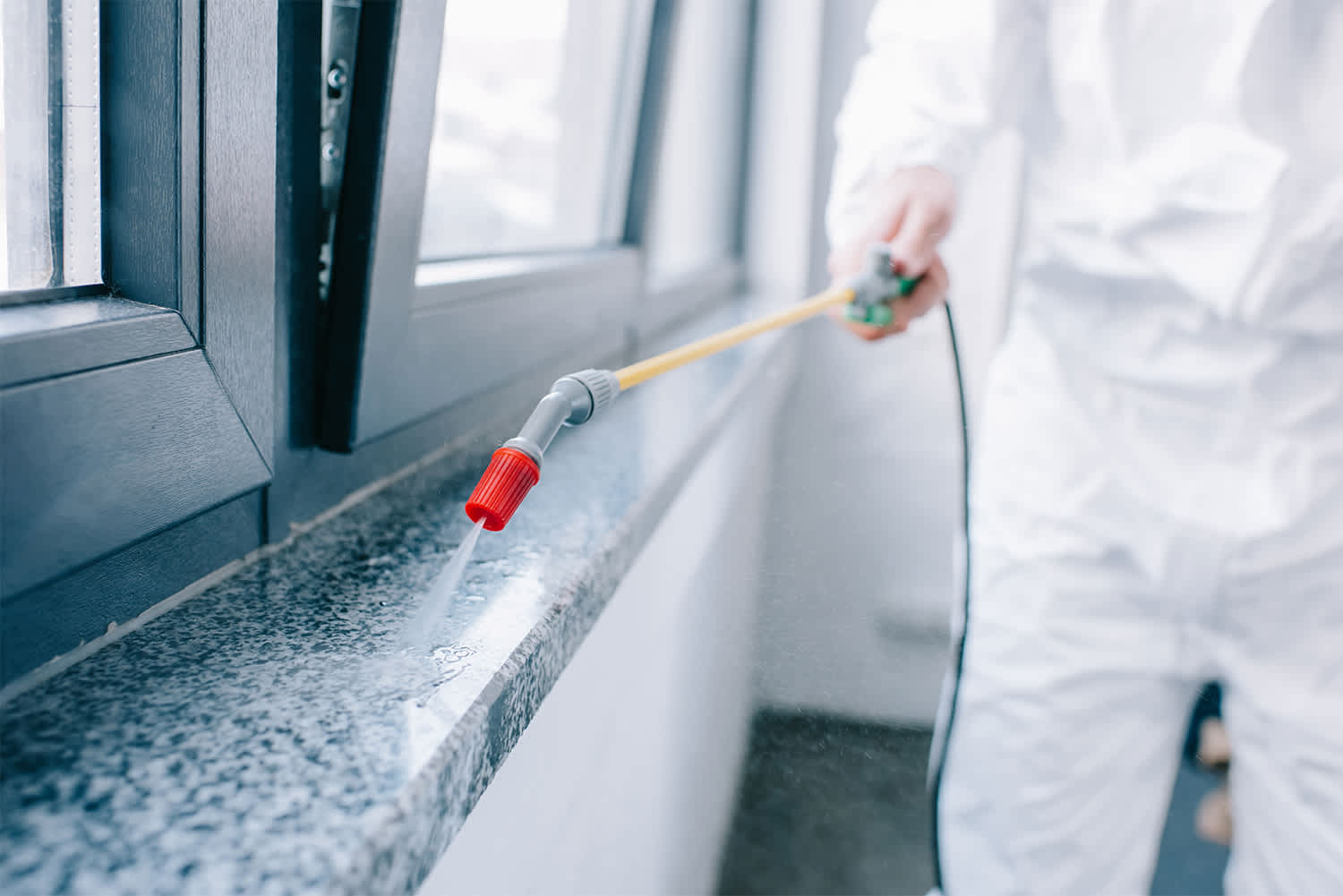
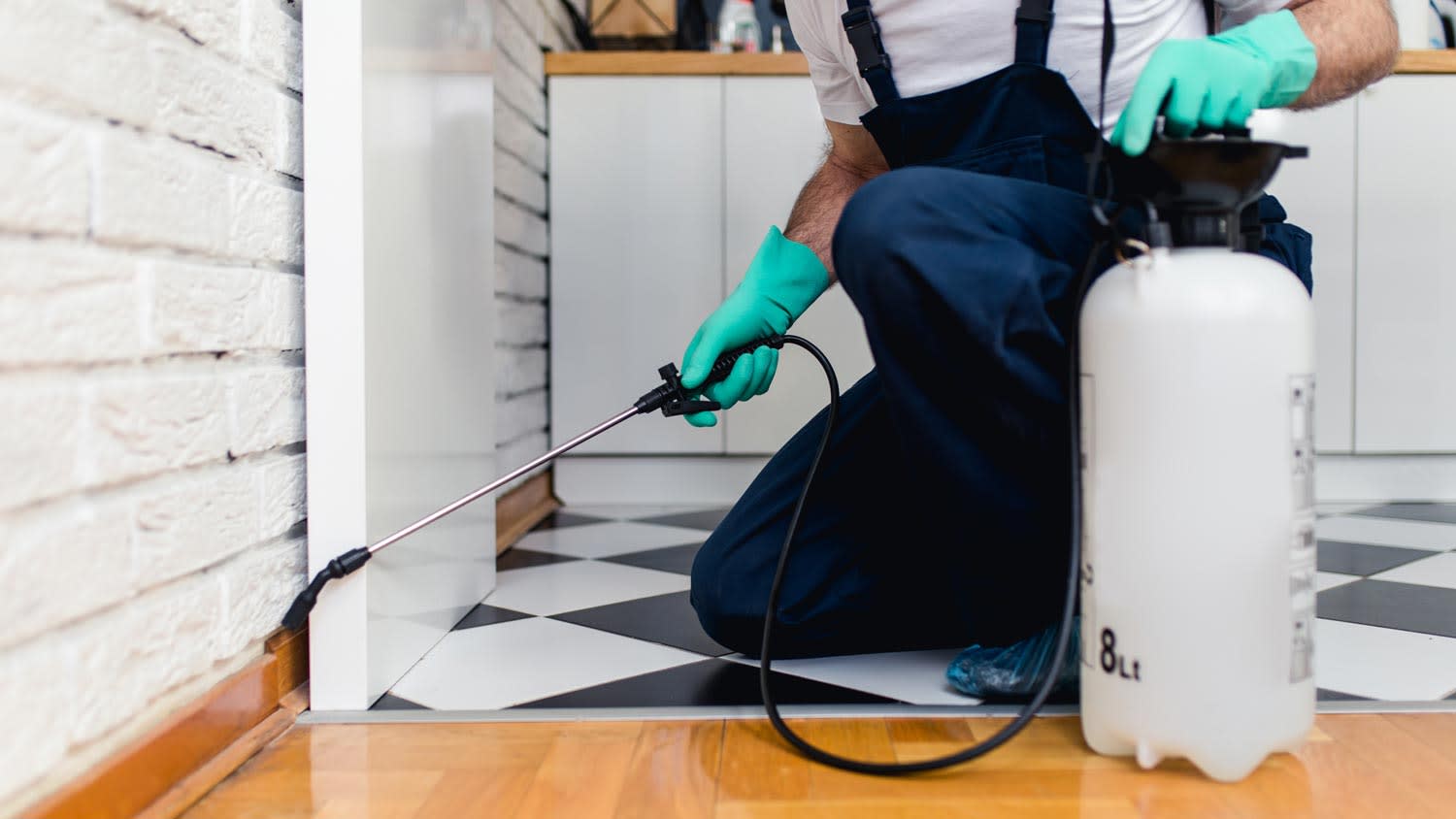
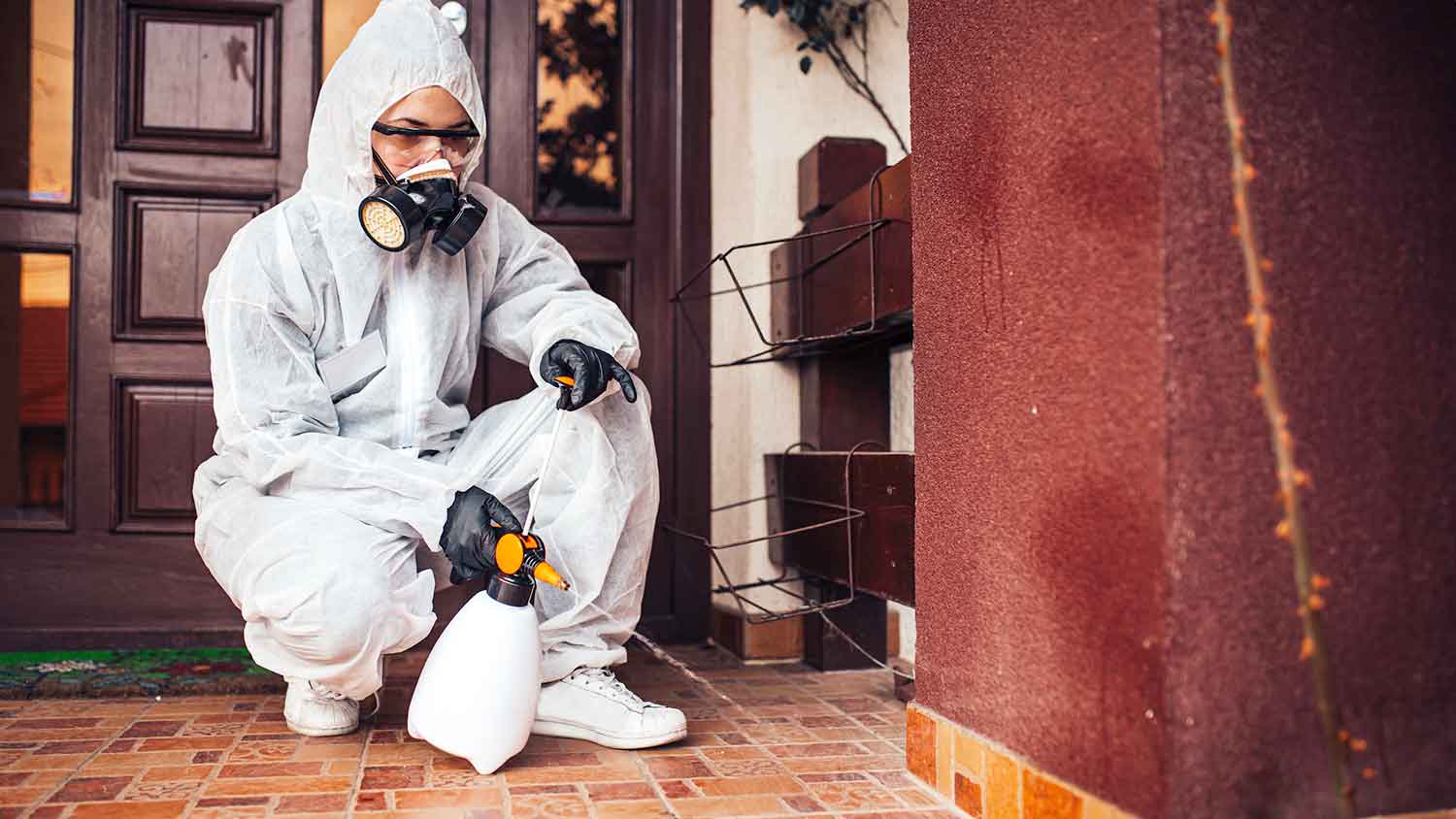
"Very knowledgeable guy who seem to know what he’s doing. Don’t know results of spraying. Have had much rain since. Will have to see if it worked. Terminex will spray again the beginning of next month."
"It's been one week, since we got the pest control for roaches done. The roaches have certainly decreased, but not completely wiped out. Still waiting for that to happen."
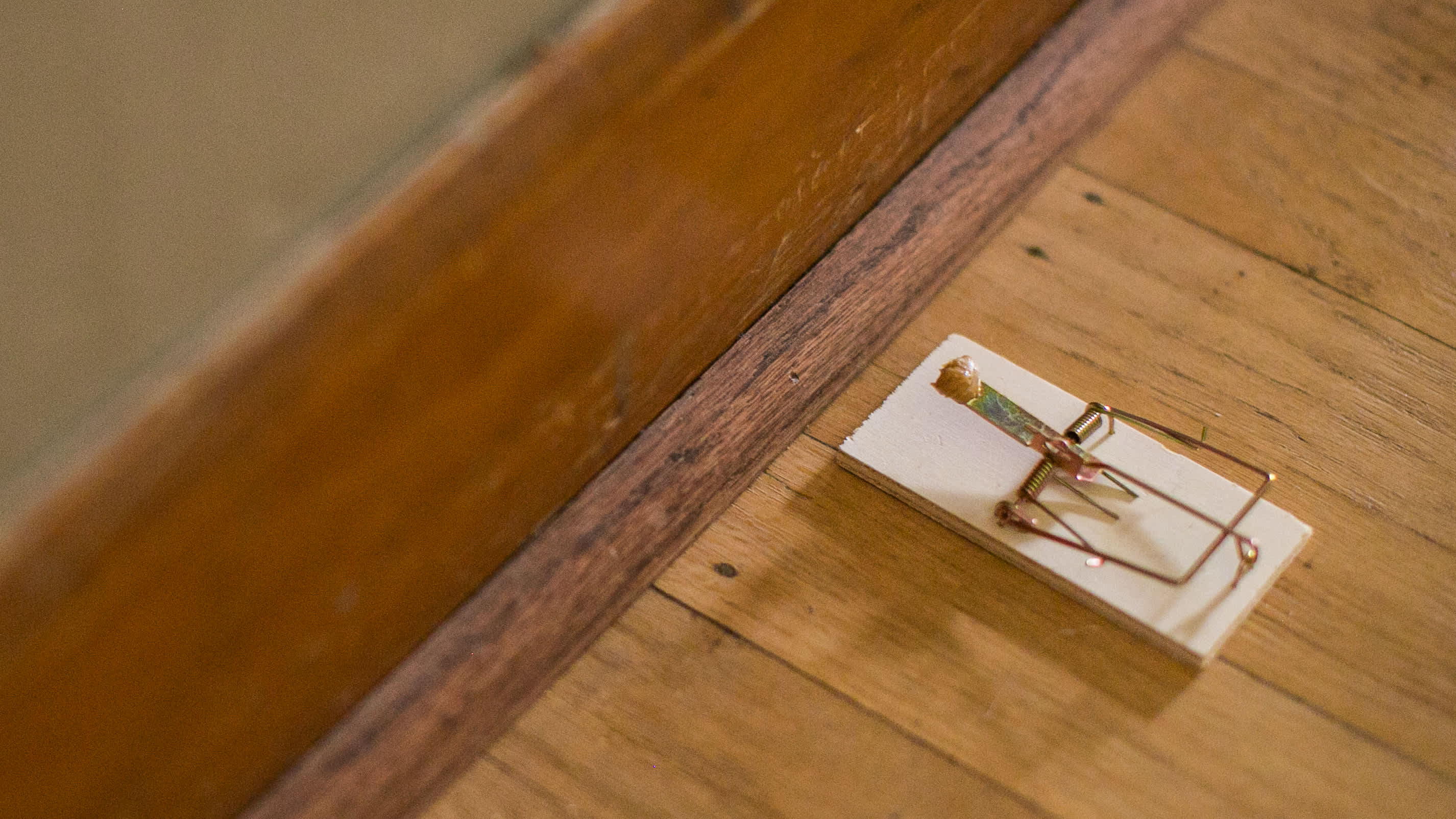
"did a good job of explaining how their treatments can be effective in rodent proofing our property Thorough in their work. Pleasant. Professional. Courteous."
Spider mites don’t have too much in common with actual spiders, but these insects can absolutely destroy a lawn. Spider mites feed on grass roots and blades and are extremely effective at draining nutrients from plants, which can quickly kill grass. These mites are ravenous, so talk to a pest control pro at the first sign of spider mites in your lawn.
Termites can start causing damage within just a few weeks of settling in, and while the signs might not show up right away, they can hollow out drywall and structural wood within a few months. If left untreated for a year or more, the damage can be extensive and expensive.
Because scorpions are active during the night, it can be hard to spot them—they are often hiding while you’re up and about. They could be hiding in holes in your walls, behind large appliances, under your bed, in your closet, or even inside your shoes. But, if you’ve seen one scorpion in your home, chances are there are more waiting in the darkness. If you’re on the hunt for scorpions in your home, invest in a UV light, as all scorpions will glow under UV rays.
Chirping noises, droppings, scratches on the walls, and stains at entries and exits are all signs that you have bats in your house or, more specifically, your attic. Because bats are nocturnal, there’s a chance that bats have already infested your home before you start to see warning signs, so don’t delay if you notice anything. If you see a bat or two at sunrise or sunset near your property, that’s another telltale sign that they could be setting up shop inside your space.
Simply put, there are much better approaches than using mothballs. Mothballs contain chemicals that can easily permeate a frog's delicate skin, leading to health problems. But it's not limited to just frogs; other animals and the environment could also face negative impacts. The US Environmental Protection Agency (EPA) has taken action. It emphasizes the importance of adhering to label instructions for products like this and not moving forward with off-label use.
The Low Mountain, AZ homeowners’ guide to pest control services
From average costs to expert advice, get all the answers you need to get your job done.
You’re not alone if you’re hoping to avoid harmful pesticides around your home to keep out pests. Here’s what you need to know about green-friendly pest control.