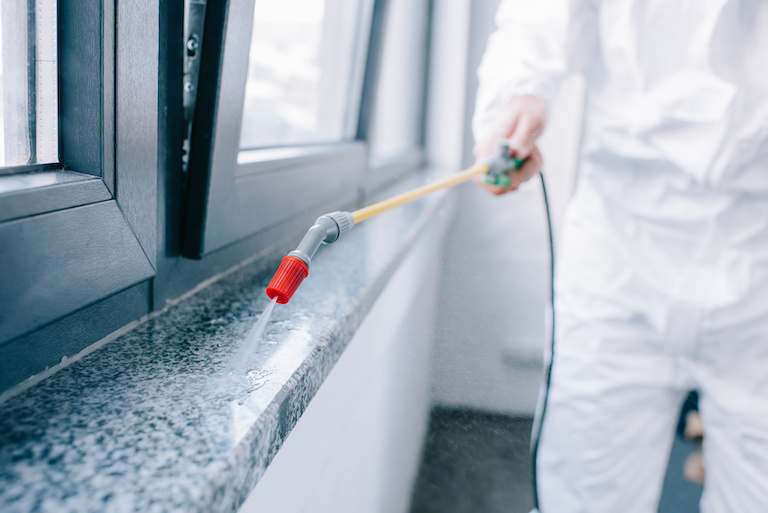
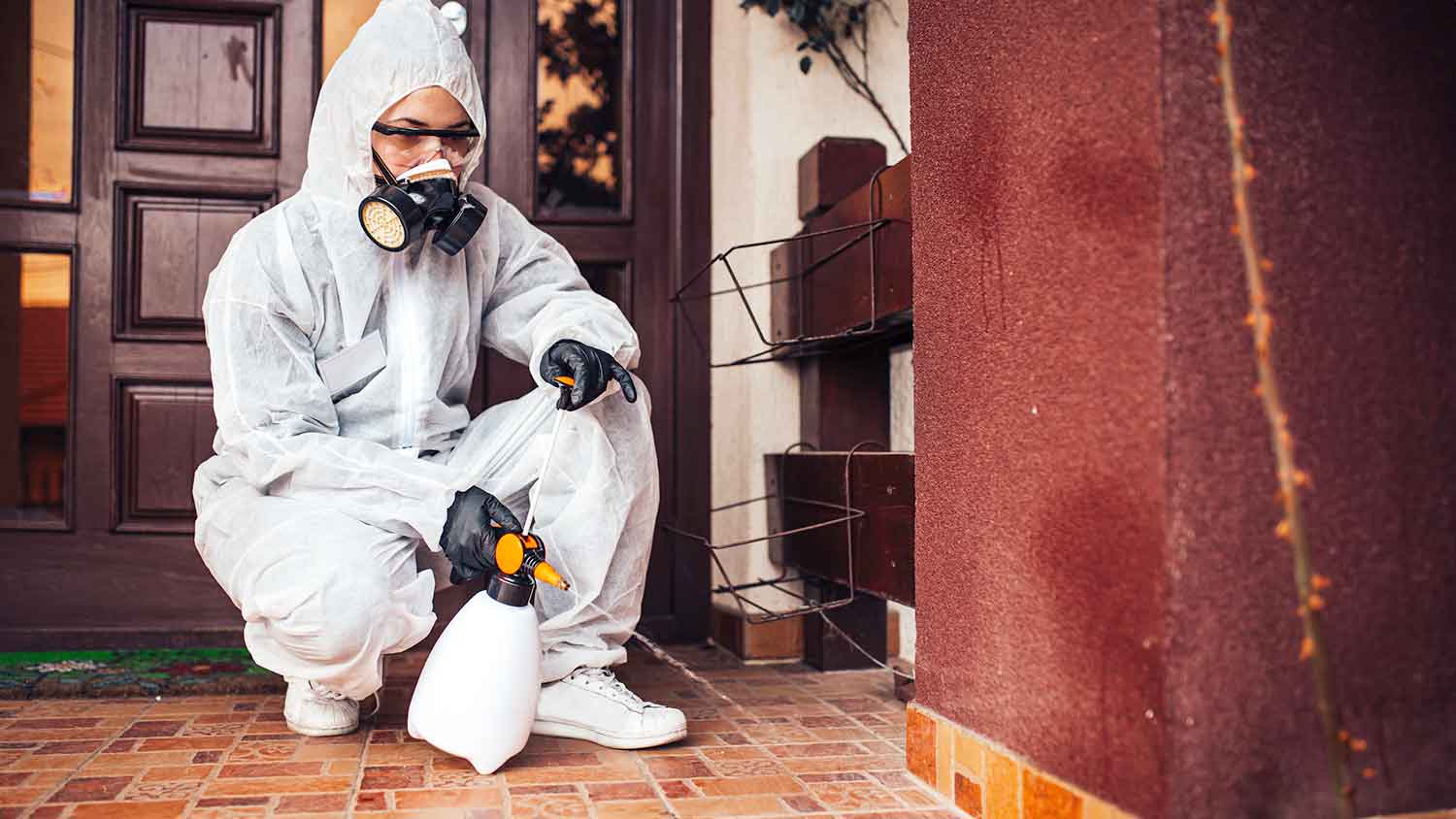
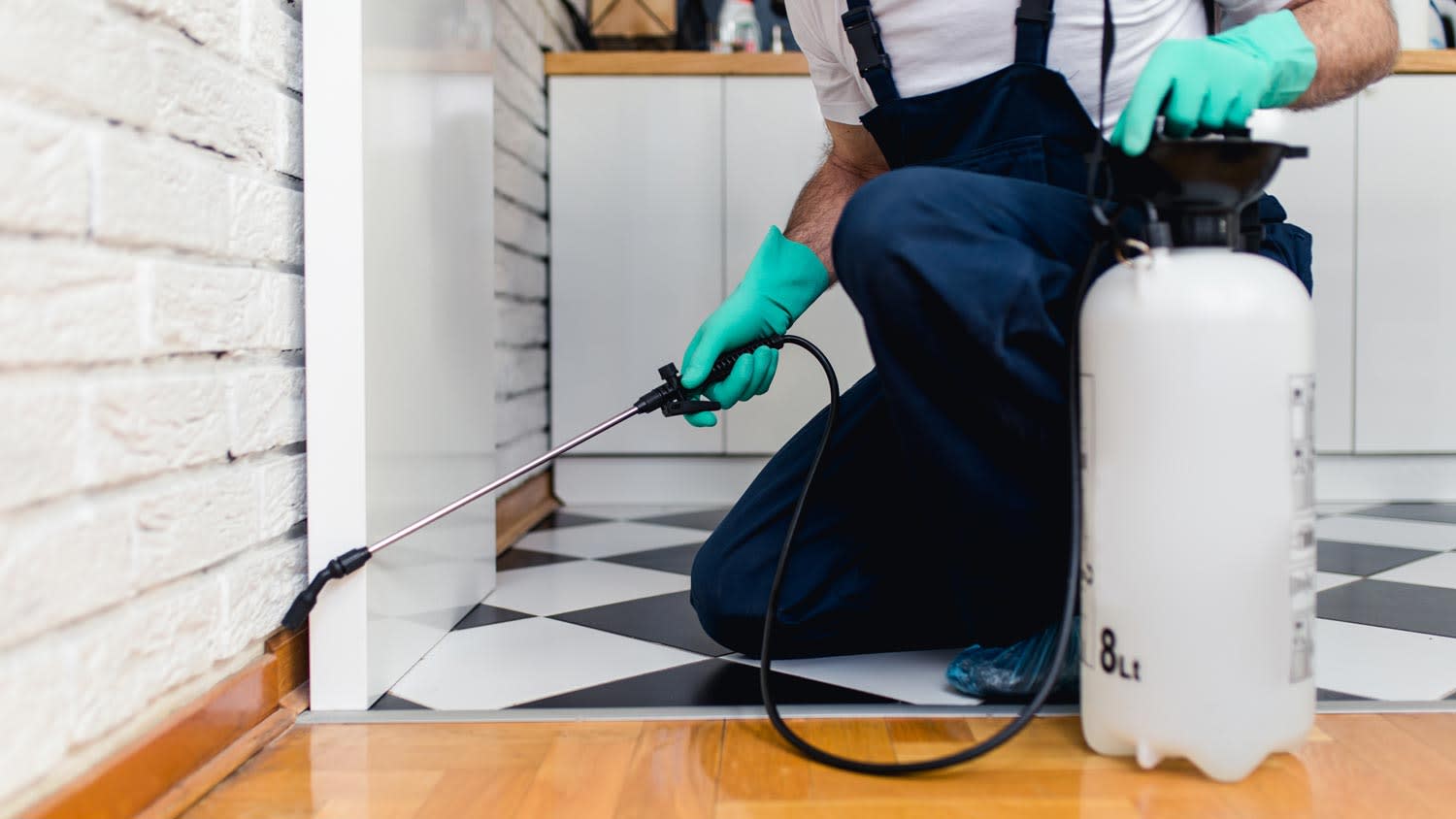
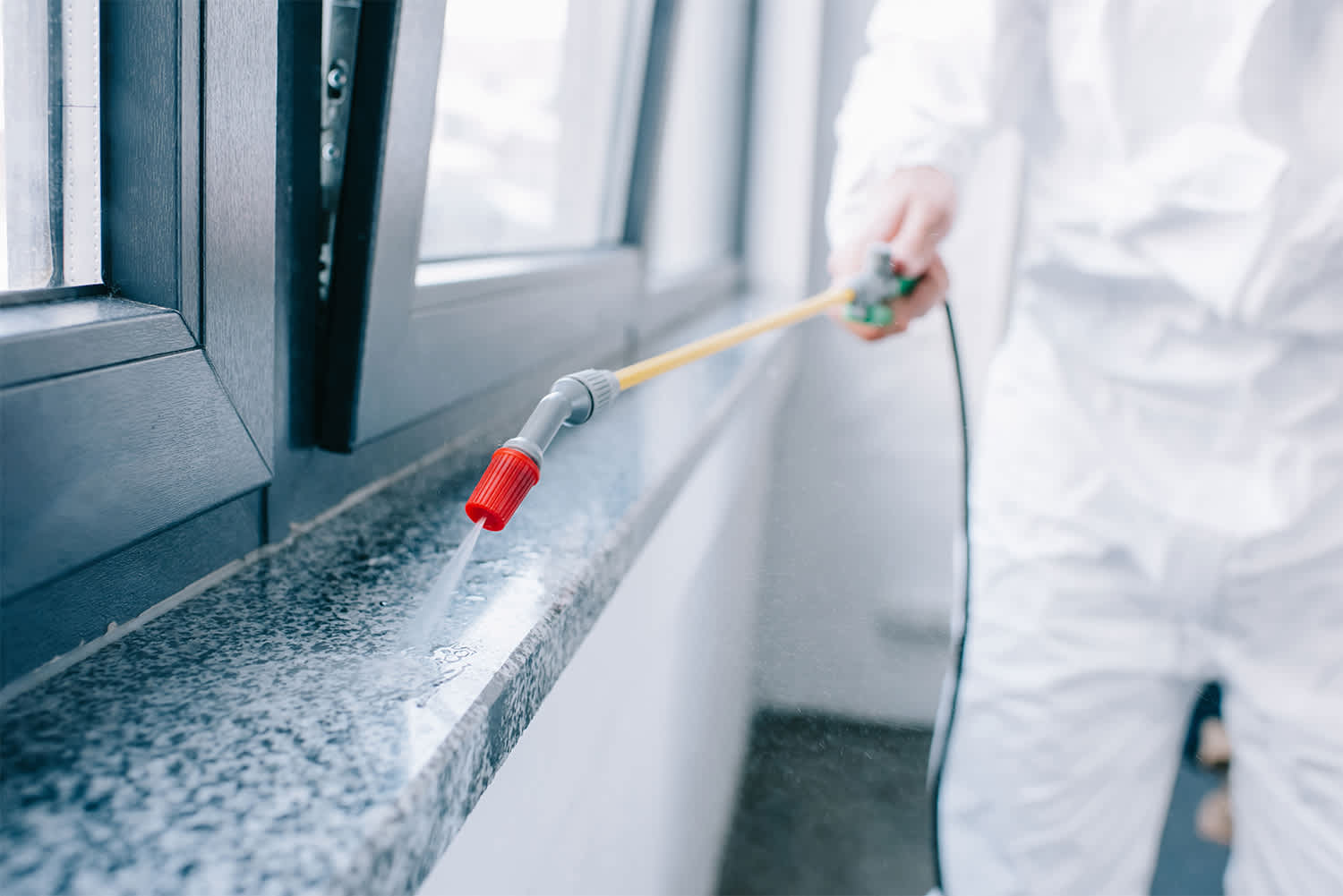
"Very knowledgeable guy who seem to know what he’s doing. Don’t know results of spraying. Have had much rain since. Will have to see if it worked. Terminex will spray again the beginning of next month."
"did a good job of explaining how their treatments can be effective in rodent proofing our property Thorough in their work. Pleasant. Professional. Courteous."
"United Air Temp was able to procure a replacement furnace controller board in a couple of days and Zachary was out within 4 days of the initial visit. The furnace now works very well."
No, mothballs do not keep bats away. Not only are mothballs completely ineffective when repelling or removing bats, but using them could be illegal, depending on where you live. Remember, bats are federally protected, and it's illegal to use chemicals during the removal process, and mothballs tend to fall into this category.
Using chemicals with harsh odors is a natural way to repel bears. While the animal’s strong sense of smell is an asset in the animal kingdom, it’s a weakness here. Simply place bleach or ammonia in a bucket and leave it outside day or night. Ironically, bears also dislike the smell of pine, so you can use pine oil or a pine-based cleaning agent. Avoid using cleaning products with fruit or citrus smells, however.
Many brownish housebound arachnids could be mistaken for hobo or wolf spiders, including nursery web spiders. An easy way to classify is to look for traditional spider webs, as neither hobos nor wolves participate in this practice.
Wasps tend to be more aggressive and defensive than bees. Both will sting to defend themselves or their colony or nest. But many bees have barbed stingers, which means they can’t pull them out of the skin after stinging, allowing them to sting only once. When provoked, wasps can sting multiple times, making them a more menacing pest.
The Chilchinbito, AZ homeowners’ guide to pest control services
From average costs to expert advice, get all the answers you need to get your job done.