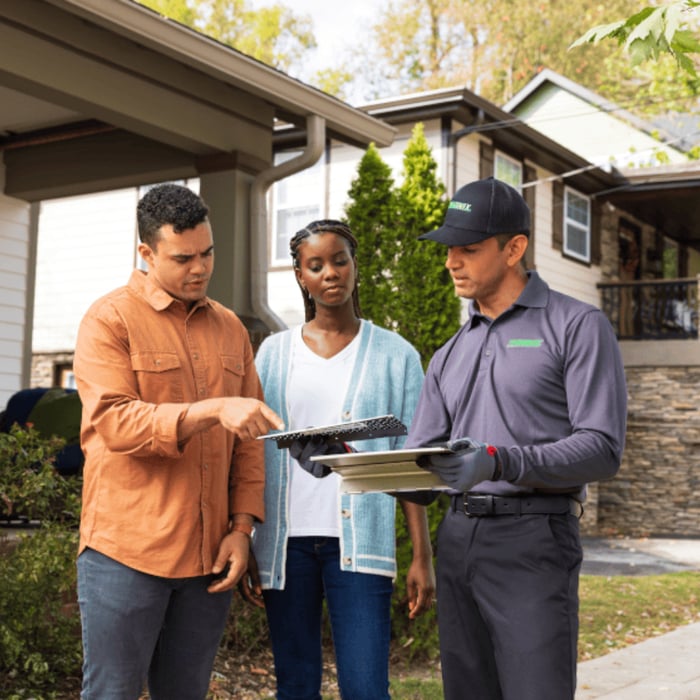
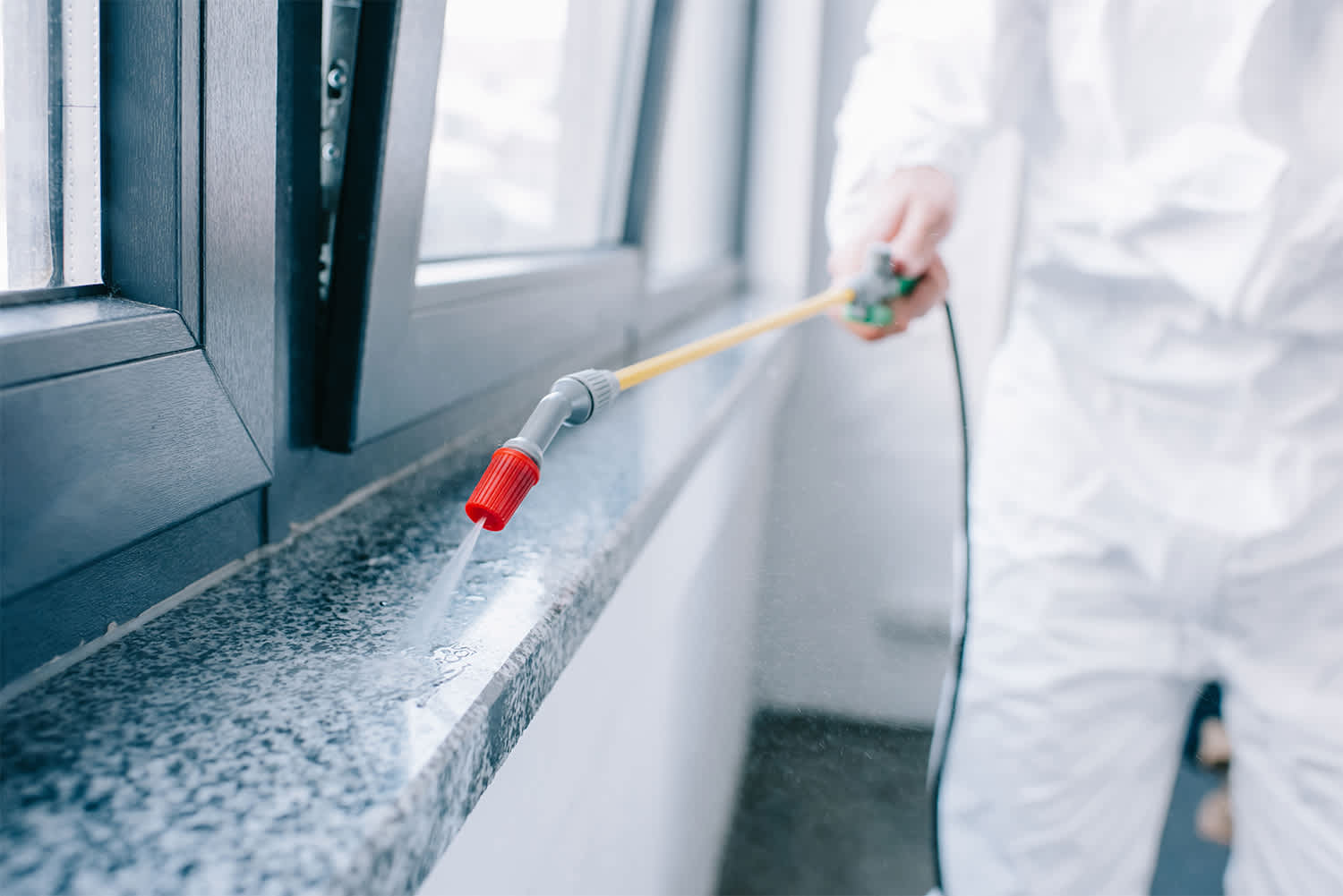
"Very knowledgeable guy who seem to know what he’s doing. Don’t know results of spraying. Have had much rain since. Will have to see if it worked. Terminex will spray again the beginning of next month."
"did a good job of explaining how their treatments can be effective in rodent proofing our property Thorough in their work. Pleasant. Professional. Courteous."
"United Air Temp was able to procure a replacement furnace controller board in a couple of days and Zachary was out within 4 days of the initial visit. The furnace now works very well."
Stink bugs don't build nests, but they do like to hang around out of sight. They typically hide in cracks, crevices, and tight spaces within buildings, especially during the colder months. They are often found in attics, crawl spaces, and along walls or ceilings. To find them, give these areas a detailed inspection, particularly around windows, doors, and vents.
Roaches may not be quite as common on the top floors of a home, but they can easily climb up there if they want to. Second stories are less likely to have food sources and somewhat less likely to have moisture issues, so most roaches are attracted to bottom levels first. However, humid attics and similar spots can help roaches thrive.
While you don’t have to fully evacuate your home after a bed bug treatment, you will have to stay out of the treated rooms (or the whole home) for at least four to five hours after treatment. In most cases, you can return to sleeping on your existing mattress and use your existing furniture, but it’s best to confirm this with a bed bug pro.
Always begin by removing the gnat's source of food. Toss rotting fruit, place new fruit in the fridge, and switch the soil of your houseplants.
The best way to get rid of gnats in the kitchen is by baiting and trapping them with something sweet. Combine water with a few drops of dish soap, apple cider vinegar, and 1 tablespoon of sugar into a bowl. Cover with plastic wrap and poke small holes to trap the gnat in the liquid.
The cost of pest control services depends on various factors, but the average homeowner pays around $175, with a typical range of $100 to $500. Your final cost will be influenced by the type of pest, the size and severity of the infestation, and the number of treatments needed.
Service costs also vary by frequency:
One-time service: $300–$550
Initial visit for ongoing service: $150–$300
Monthly visits: $40–$70
Quarterly visits: $100–$300
Annual visits: $300–$550
For specific pest examples, getting rid of spiders typically costs between $100 and $300, whereas a termite infestation can cost from $230 to $2,500 or more, depending on the extent of the damage.
The Kayenta, AZ homeowners’ guide to pest control services
From average costs to expert advice, get all the answers you need to get your job done.