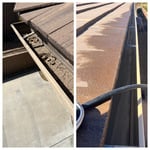
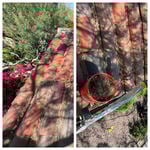
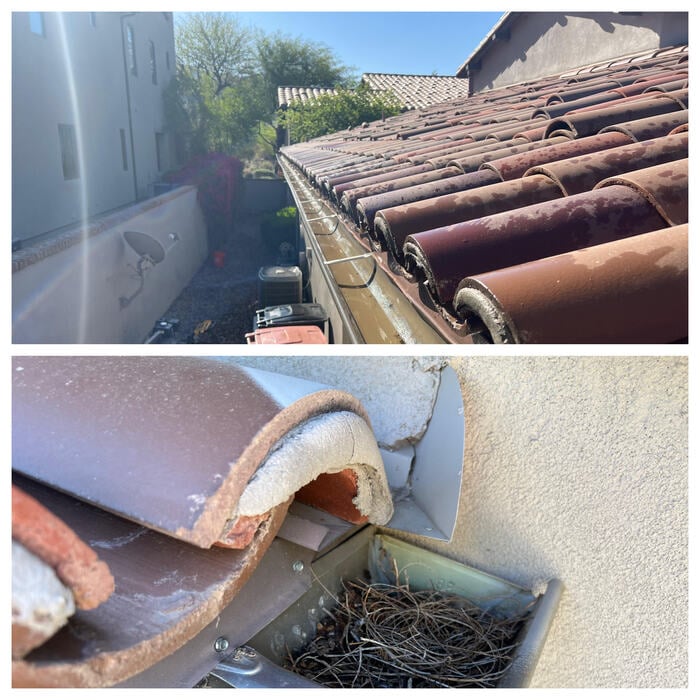
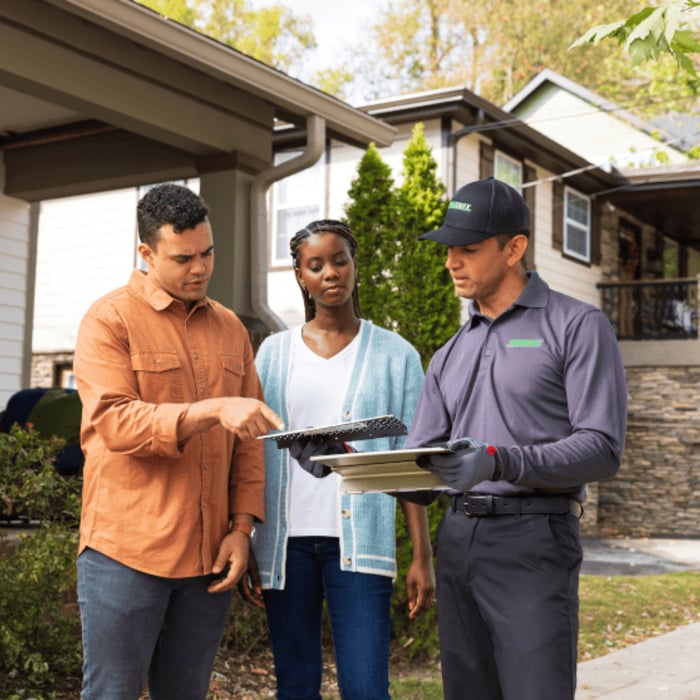
"Just checked roof and no pigeons. Awesome! Brandyn of On Edge Pest Control contacted us promptly. Upon inspection, he provided options to resolve problem along with explanation of each process, cost, and pros/cons. Quotes were very reasonable. Once method decided, work began almost immediately. Communication was easy. With other companies, had waited weeks or months to hear back if any response received at all. Brandyn is a knowledgeable, personable, honest, hard-working conscientious young man. Definitely recommend On Edge Pest Control. Just wish we had found Brandyn prior to spending many hundreds of dollars and wasting months of frustration trying to work with another company without success. Try On Edge Pest Control."
"Very knowledgeable guy who seem to know what he’s doing. Don’t know results of spraying. Have had much rain since. Will have to see if it worked. Terminex will spray again the beginning of next month."
"It's been one week, since we got the pest control for roaches done. The roaches have certainly decreased, but not completely wiped out. Still waiting for that to happen."
"did a good job of explaining how their treatments can be effective in rodent proofing our property Thorough in their work. Pleasant. Professional. Courteous."
You should never try to remove a bee's nest yourself because it can be extremely dangerous. The amount of bees that can live in a hive depends on the type of bee, but honey bees can have up to 80,000 bees living in a hive. People who are allergic to bees can have life-threatening reactions from a single sting. So, it's best to leave bee nest removal to the professionals who have the knowledge and equipment to do so safely.
A raccoon may be hanging around your house for convenient access to food, water, or shelter. They may drink water out of puddles, pools, ponds, fountains, or your pet’s water bowls. Raccoons are also known to eat just about anything, including food from gardens and waste from unsecured trash cans.
No, pill bugs do not bite, and they do not transmit diseases. Pill bugs also don’t infest wood like carpenter ants or termites do, so they don’t pose a threat to your home either. In fact, pill bugs pose no threat to humans beyond stealing your veggies.
Rats are attracted to homes that provide food, water, and shelter. Common attractants include uncovered garbage, pet food left out overnight, crumbs and food spills, and easily accessible pantries. They’re also lured in by leaky pipes, standing water, and cluttered areas like basements or garages. Outdoor factors such as overgrown vegetation or woodpiles near the foundation can create additional nesting opportunities.
They’re a nuisance, but silverfish aren’t nearly as dangerous as other pests like cockroaches, mice, termites or bed bugs. They don’t carry diseases that humans or pets can catch, and they don’t cause widespread destruction like termites or rats. Silverfish are small and find it very easy to get inside any exposed foodstuffs. Like weevils, you may find them in unprotected flour, cereal, grains, bread boxes, chip packages and more. They will happily nibble fabric and paper as well, so they can cause damage to furniture, clothing, books, bedding, curtains and other materials.
The Houck, AZ homeowners’ guide to pest control services
From average costs to expert advice, get all the answers you need to get your job done.