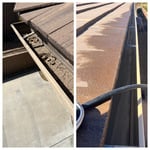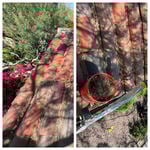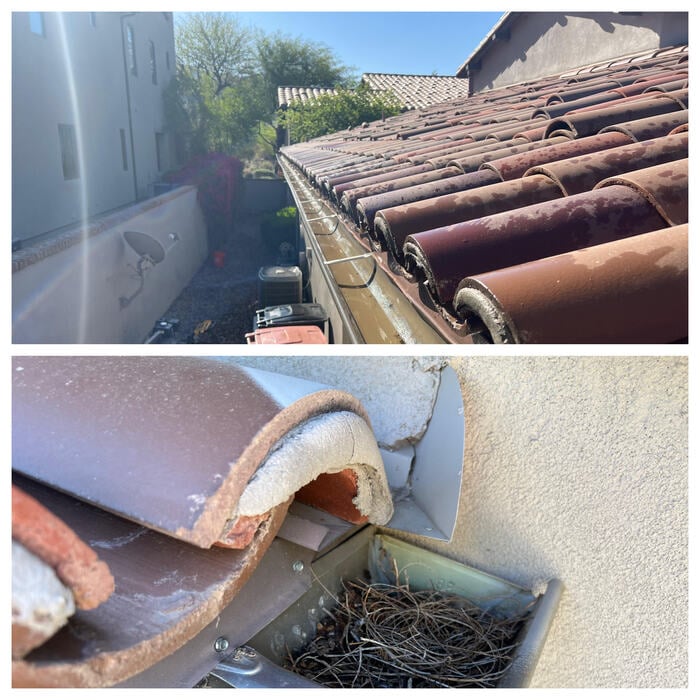
"Just checked roof and no pigeons. Awesome! Brandyn of On Edge Pest Control contacted us promptly. Upon inspection, he provided options to resolve problem along with explanation of each process, cost, and pros/cons. Quotes were very reasonable. Once method decided, work began almost immediately. Communication was easy. With other companies, had waited weeks or months to hear back if any response received at all. Brandyn is a knowledgeable, personable, honest, hard-working conscientious young man. Definitely recommend On Edge Pest Control. Just wish we had found Brandyn prior to spending many hundreds of dollars and wasting months of frustration trying to work with another company without success. Try On Edge Pest Control."

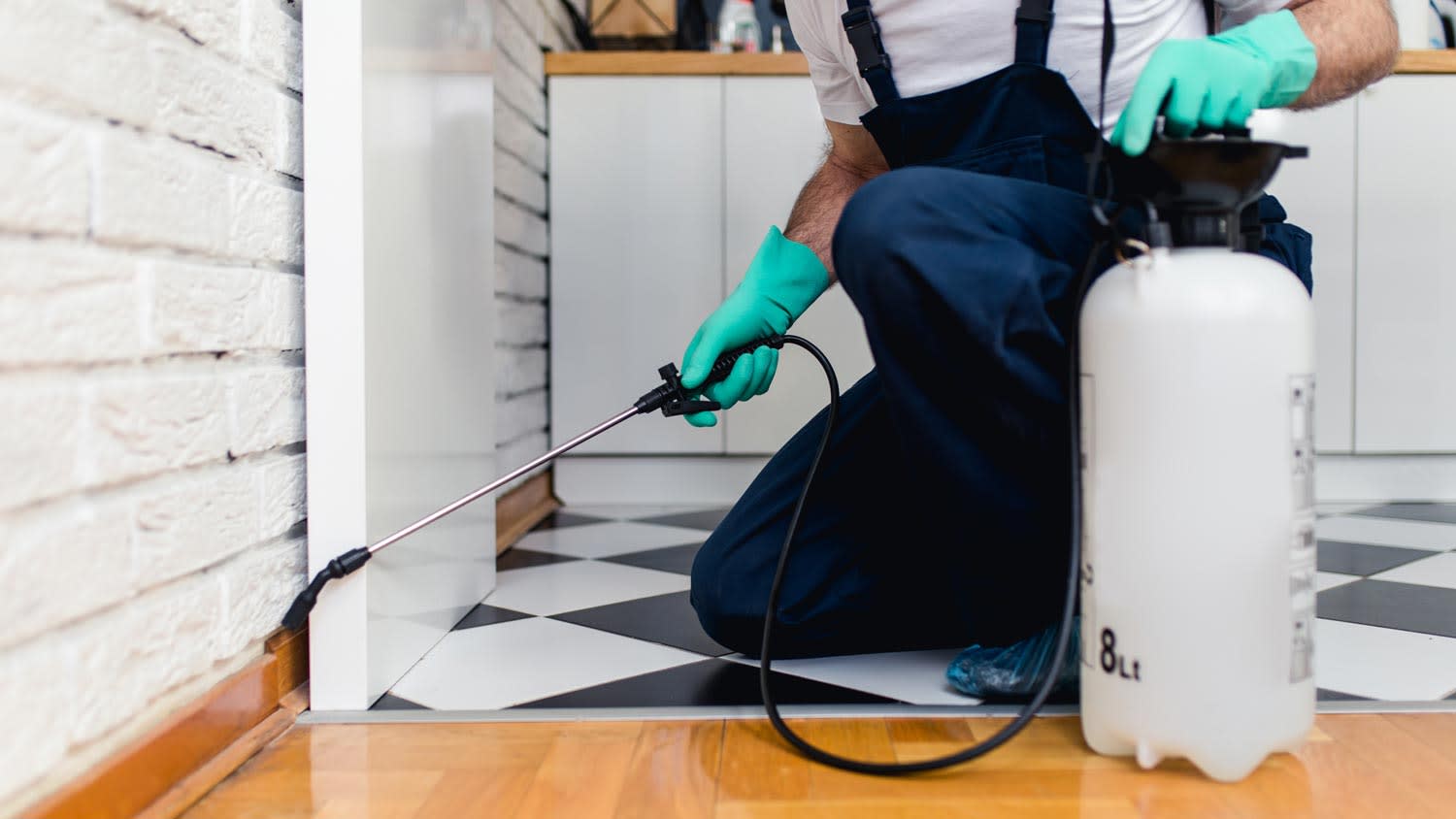
"Very knowledgeable guy who seem to know what he’s doing. Don’t know results of spraying. Have had much rain since. Will have to see if it worked. Terminex will spray again the beginning of next month."
"It's been one week, since we got the pest control for roaches done. The roaches have certainly decreased, but not completely wiped out. Still waiting for that to happen."
"did a good job of explaining how their treatments can be effective in rodent proofing our property Thorough in their work. Pleasant. Professional. Courteous."
If you’re having trouble with your traps, first examine them for flaws that would allow a squirrel to escape easily, such as loose doors or hinges. It’s also important to consider the location of your trap: Place it in areas with higher squirrel traffic, and make sure it’s on a sturdy surface so it can’t wobble or tip (squirrels aren’t likely to walk in a trap that isn’t stable). Lastly, try changing out your bait—in-shell peanuts or peanut butter often work best.
Honey bees are most likely to swarm during spring and early summer, typically from April through June, as colonies expand and prepare for new growth. Swarming occurs when a hive becomes overcrowded, prompting the queen and a group of worker bees to leave in search of a new nesting site. During this time, you may notice a temporary increase in bee activity around your property.
Identifying the specific animal running on your roof at night can be challenging without direct observation. Common nocturnal roof visitors include raccoons, squirrels, opossums, and rats. Raccoons are bigger and can create heavy thumping sounds. Squirrels are agile and may produce rapid scurrying noises. Opossums tend to move stealthily with less noise. Rats can make scratching or gnawing sounds. To determine the culprit, look for signs like footprints, droppings, or damaged areas near the roof. For accurate identification, consult a pest control professional or set up wildlife cameras near potential entry points.
If the snakes in your yard are non-venomous species (like common Rat or Garter snakes), why not consider the live-and-let-live approach? Some benefits of not getting rid of snakes include:
They’re great at controlling disease-spreading rodent populations, including rats, mice, voles, and moles.
Some non-venomous species (like the common kingsnake) eat venomous species like rattlesnakes and copperheads.
Species like the garter snake keep down populations of garden pests like slugs and grasshoppers.
No, one snake does not always mean more. While snakes do often congregate in dens to breed, for most of the year, they are primarily solitary creatures that do not travel in groups. A single snake may make its way near your home in search of food, warmth, or shelter.
The Rock Point, AZ homeowners’ guide to pest control services
From average costs to expert advice, get all the answers you need to get your job done.