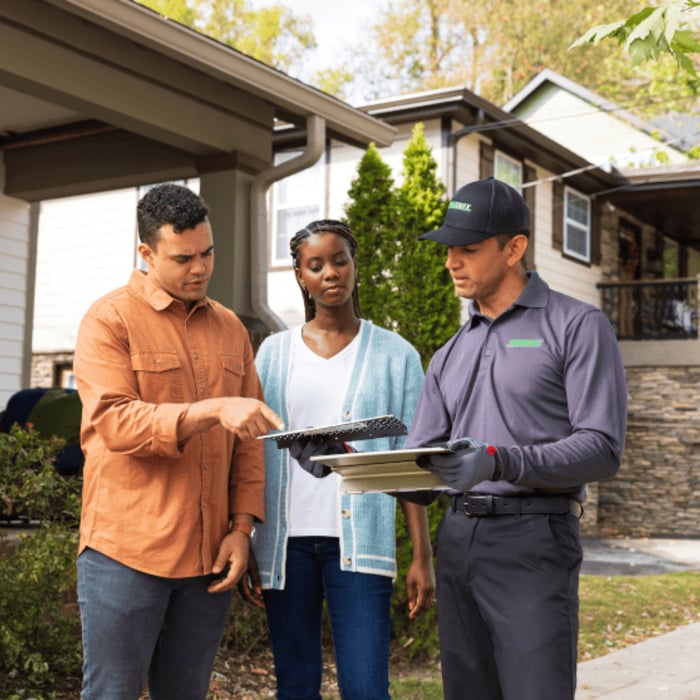
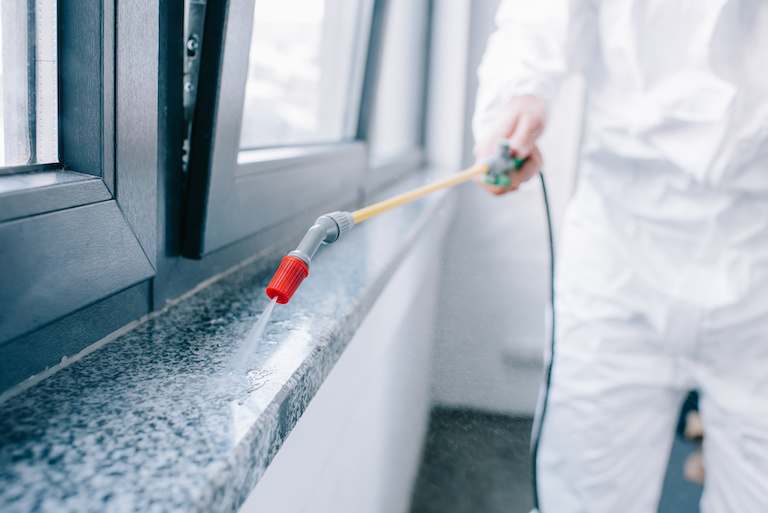
"Very knowledgeable guy who seem to know what he’s doing. Don’t know results of spraying. Have had much rain since. Will have to see if it worked. Terminex will spray again the beginning of next month."
"It's been one week, since we got the pest control for roaches done. The roaches have certainly decreased, but not completely wiped out. Still waiting for that to happen."
"did a good job of explaining how their treatments can be effective in rodent proofing our property Thorough in their work. Pleasant. Professional. Courteous."
A strong honeybee colony can usually fight off the aggressive presence of yellow jackets. However, weaker honeybee colonies with fewer workers are especially vulnerable to yellow jackets. If yellow jackets gain entry into a weakened honeybee colony, they can easily kill the honeybees and empty the hive of all its contents.
The fastest method to get rid of moles is, unfortunately, not the most humane one. Poison baits and traps are the quickest way to get rid of a mole infestation.
However, the poison can be dangerous and even deadly to other visiting animals, such as birds, cats, and dogs. The toxins can even affect predatory birds who eat the moles after they've consumed the poison.
Carpenter ants don’t eat wood. It’s a common misconception because many kinds of termites eat wood as well as live inside it. Carpenter ants, however, are omnivores and only chew into wood to create pathways and nests, discarding the chewed wood as frass which is a major indicator of a carpenter ant problem. They prefer to eat smaller insects, sweet things like spilled honey, and sources of protein like pet food.
Scorpions may be native to desert climates, but they are nocturnal and like to find shelter in dark, cool places during the day. Your home has many ideal spots to conceal themselves in. Beyond that, they can get all the food they need from the other insects or spiders hiding in the walls of your home, and your air conditioning vents likely have condensation to provide them with cool water to drink.
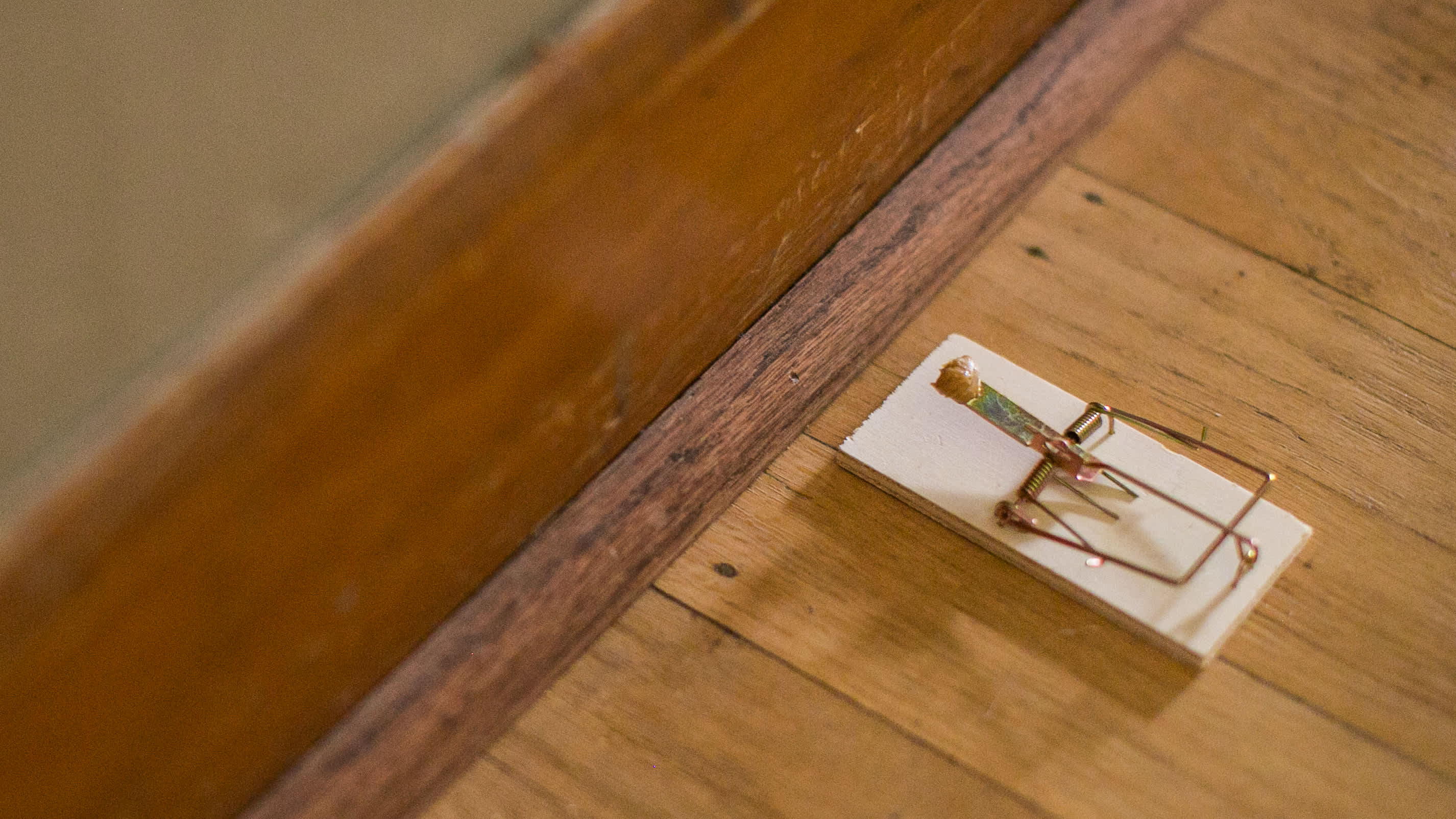
There's anecdotal evidence that apple cider vinegar does help to repel mice. But the best way to repel mice is to keep your home scrupulously clean and seal up any obvious entry points. If you already have a mouse infestation, apple cider vinegar won’t get rid of the critters. It’s usually worth the cost of professional pest control to make sure a serious mouse problem is eradicated completely.
The Tsaile, AZ homeowners’ guide to pest control services
From average costs to expert advice, get all the answers you need to get your job done.