"He was able to quickly diagnose that the water leak from the water heater was a result of a ruptured tank, resulting in the need to replace the entire water heater."
"I just pay $75 you never know who's going to come out. They do everything electrical. Just about everything is covered except the septic tank. I had an air conditioner replaced. It went great, all I had to do was pay for the freon. He didn't charge e more than what was needed."
We pride our company on reliability, great communication, integrity, and quality work. We believe in giving our absolute best in all of our projects, no matter how big or small. You will find us to be competitively priced, with close attention to the details of each and every project. We are experts in our trade and will always keep you educated on your particular task or project. We look forward to earning your business, so please ask us for references.
\n
Customer satisfaction is what determines our success, which is why we take a hands-on approach. When interacting with L&V Plumbing, you'll notice that we're particularly focused on the principles of quality workmanship, timely completion, competitive pricing and integrity in all our business dealings. We combine knowledge and research with our extensive practical experience to ensure a specialized approach for your project needs. Contact us today for a fair and accurate estimate of your project. We look forward to adding you to our long and growing list of happy customers.
🎊 🎉 The new year brings new opportunities, and we are ready to grow. We are expanding our client base and building new partnerships, specializing in high-quality piping, structural welding, and custom fabrication with a commitment to safety, precision, and dependable results.
Septic drain lines (or leach lines) are typically buried between 18 and 36 inches underground, and should be at least 6 inches below the surface. These pipes are perforated and surrounded by filtering materials like sand or gravel. Burying the lines at this depth helps minimize odors and allows bacteria and other biological processes in the soil to effectively treat the wastewater. Burying lines too close to the surface can cause issues unless the soil is very compact and stable.
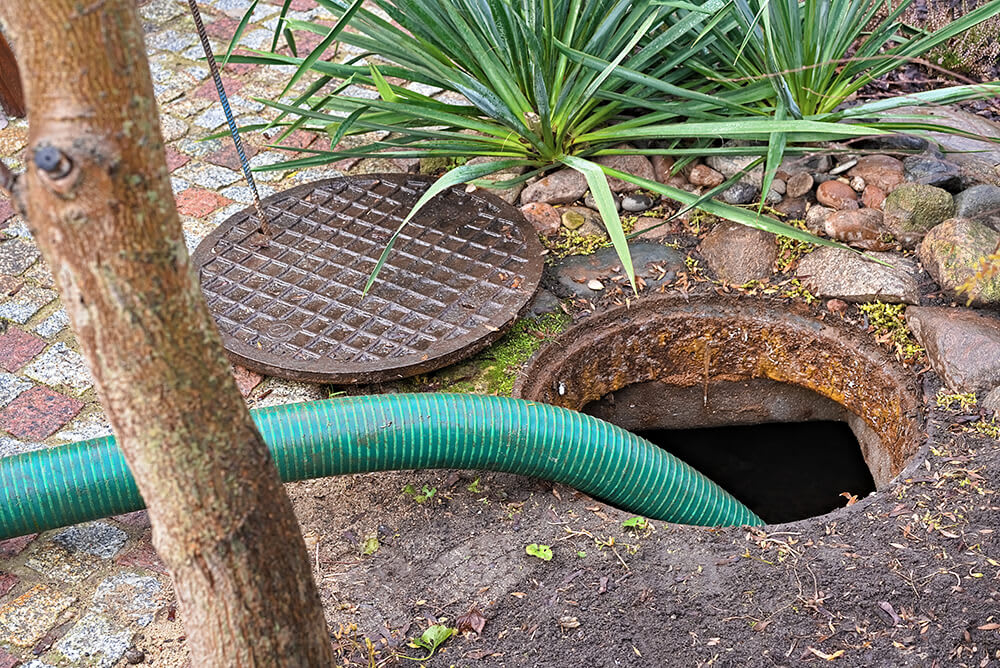
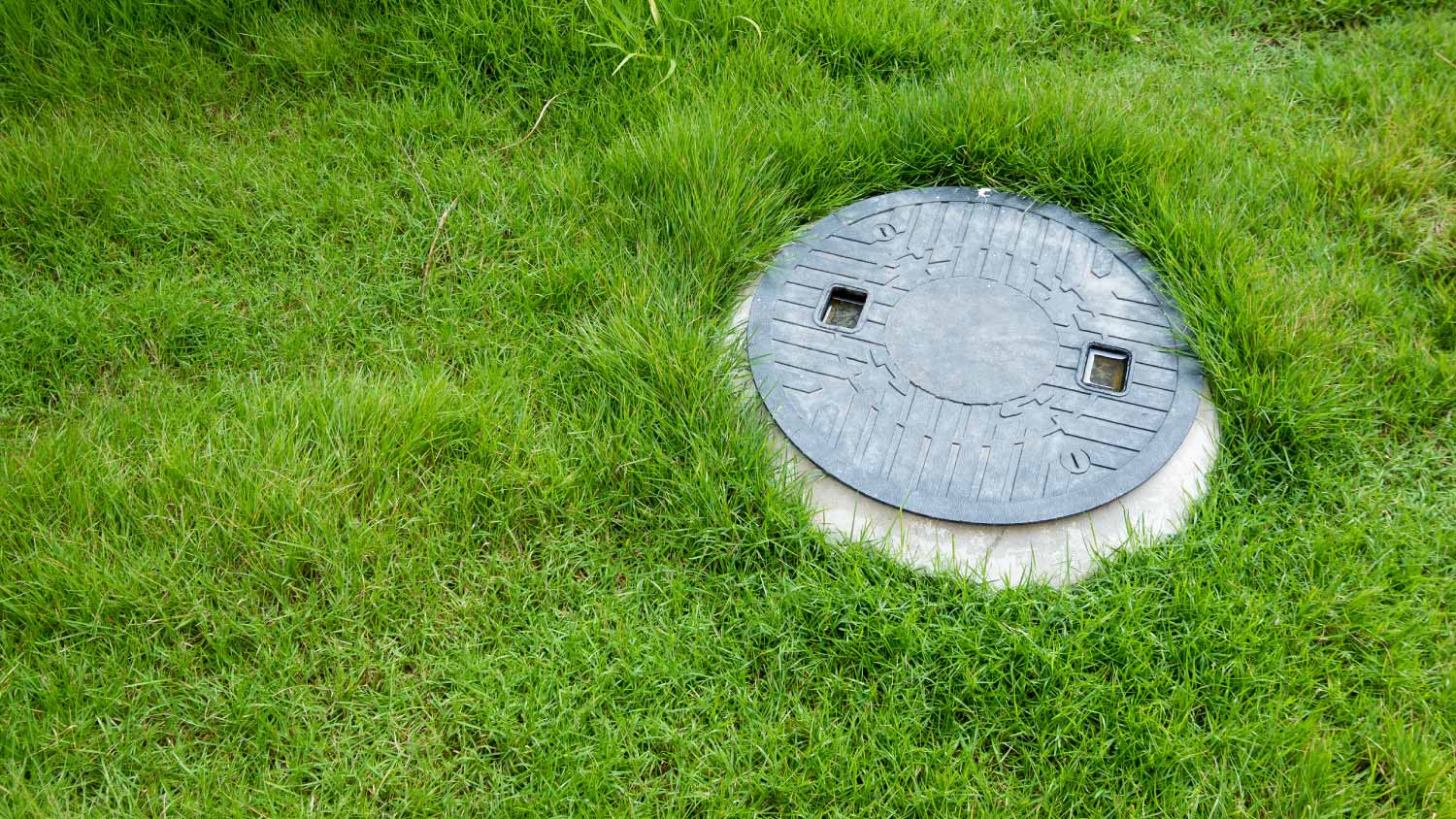
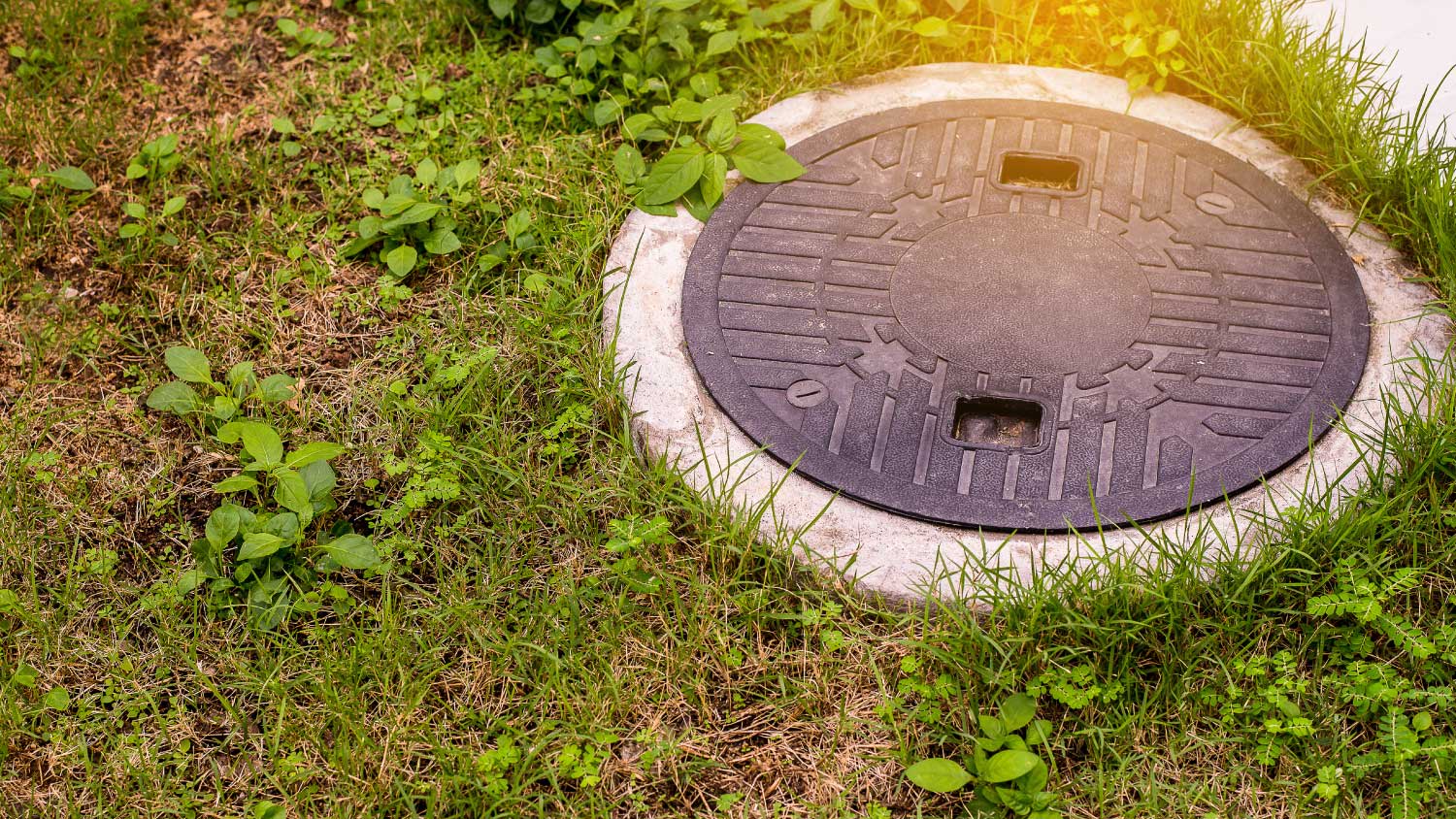
Septic tank lids may or may not be buried in a yard. Most lids are buried at least 4 inches deep unless you have an aerobic septic system. Aerobic septic systems need frequent cleanings, about every four months, so it’s best to leave these lids aboveground for easier access. For buried lids, homeowners can use risers that make it easier to locate and access a buried septic tank lid.
To keep roots from growing into a septic tank. However, there are other steps you can take if existing tree roots are getting close to your septic tank. For one, you can install root barriers, which physically block roots from reaching your septic tank. You can also use chemical solutions in your yard or plumbing system to deter root growth.
A septic system can fail for various reasons, and most commonly, excessive water use or sudden surges in wastewater can overwhelm the system's capacity. Neglecting regular maintenance, like tank pumping and inspections, can also lead to clogs, leaks, and eventual breakdowns. Other issues that lead to failure include age-related wear and tear, root infiltration, improper disposal of non-biodegradable materials or chemicals into the system, unsuitable soil conditions, physical damage, and even environmental factors like flooding or soil erosion.
A well pressure tank is located between the well and the well pump, and it stores your water under pressure so that the well pump can eventually do its job. The well pump is activated whenever you turn a faucet on—it pulls the water from the tank into your home. Both are vital parts of a complete well water system.
The Stuttgart, AR homeowners’ guide to septic tank services
From average costs to expert advice, get all the answers you need to get your job done.
Caring for your septic system is crucial to ensuring its long life. But how much does it cost to pump a septic tank? We explore the different cost factors.
A damaged septic system can leak odors and sewage, so repairs are urgent. Find out how much septic tank repair costs based on repair type, tank size, and more.
Septic tank risers make it easy to access your septic tank when it’s time for routine inspection, maintenance, and pumping, saving you precious time and labor costs.
Septic tank sizes vary depending on the size of your home, how many people live there, how much water you use, and more. Read on to learn how to determine the right size for you.