


Get matched with top excavation pros in Stuttgart, AR
Top-rated excavation pros.

Need a pro for your excavation project in Stuttgart, AR?

Select your specific project to find the pro for you.

Find Excavation pros in Stuttgart

Avatar for Cypress Bottom Construction LLC
Cypress Bottom Construction LLC
5.0(
4
)

Serving Stuttgart, AR and surrounding areas

In business since 2015

Free estimates

Warranties offered

"These guys are exceptional at what they do. Everyone was polite and more than accommodating to our needs. Work was done on time and on budget. Very easy to work with. They made sure we were included in the project steps with daily updates. Equipment was in excellent condition and when job was completed we walked threw to make sure what we needed was to our satisfaction before any mention of payment. This will be the only contractor I will recommend or use in future projects. Thank you to all the Cypress Bottom Construction crew for a job well done!"
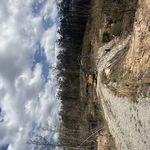
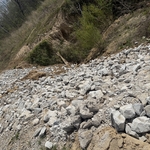
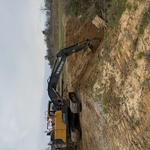
Additional Photos
Additional Photos
Additional Photos
Additional Photos
Additional Photos

+10

Response time5 days
Recommended by100%of homeowners
Showing 1-10 of 17
Excavating questions, answered by experts

Trenches are typically 12 to 24 inches deep and 8 inches wide. However, the required depth depends on the specific project and local ordinances. For example, a French drain may need to be 18 inches deep, while a water pipe might require a depth of 24 inches and a drainage pipe 36 inches. Your city or county may have specific regulations, so it's wise to consult with an excavation professional to determine the correct depth for your project.

Errors in site preparation can lead to structural failures or appear costly midway. Professionals ensure detailed, reliable home base development layouts.

No, you typically cannot use metal detectors to find your sewer line. Most sewer lines are made of non-metallic materials such as PVC, clay, or cast iron, which are not detectable by standard metal detectors. Metal detectors are designed to locate metallic objects, so they won't be effective for identifying the path of a non-metallic sewer line. To locate your sewer line accurately, it's best to use other methods.

The best way to protect tree roots is to avoid the roots entirely by excavating outside the root radius of the tree. For nearby projects, it’s a good idea to construct a temporary retaining wall. But that’s not always possible, depending on the project and the root system. In these cases, consider using alternative equipment like an auger to tunnel under the ground.

Remember, tree roots can damage nearby cement foundations as they grow. If a tree is close enough to interfere with large excavations, it may be better to remove the tree than risk future problems.

You can dig 60 to 80 linear feet by hand per day depending on the depth. Digging a 100-foot trench by hand will take you two work days, but it can take longer if you have heavy or rocky soil. If you’re digging a deep trench or one that’s over 100 feet, consider renting a mechanical trencher, such as a walk-behind or ride-on, or calling a pro for help. 

The Stuttgart, AR homeowners’ guide to excavation services

From average costs to expert advice, get all the answers you need to get your job done.