




Top-rated drywall pros.

Get matched with top drywall pros in Malvern, AR

Enter your zip and get matched with up to 5 pros

Need a pro for your drywall service project in Malvern, AR?

Select your specific project to find the pro for you.

Find Drywall pros in Malvern

Avatar for GA Painting
GA Painting
5.0(
4
)
Drywall - Repair

Serving Malvern, AR and surrounding areas

Approved

In business since 2022

Free estimates

Credit card accepted

"He did an awesome job. Took down the old deck and replaced all new boards on top. He only had to replace a couple underneath the deck. I would hire him again and would recommend him to anybody. He is reasonable with his pricing."
Response time10 hrs

...
Showing 1-10 of 119
Drywall questions, answered by experts

Only use spackle on plaster walls when the imperfection is small. It’s best used for nail holes or small dings in the plaster. Spackle dries quickly, allowing you to continue the repair process shortly after using it. Plaster can be tricky to repair, though, so if you run into issues, call a pro so that you don’t risk further damage.

Popular wall textures include orange peel, knockdown, spray sand, and smooth finishes. Orange peel and knockdown are particularly common choices for drywall as they are simple and cost-effective. Orange peel texture has a lightly bumpy surface resembling the skin of an orange, while knockdown (sometimes called knockout) looks like a stucco finish with flattened high spots. In contrast, popcorn texture has fallen out of fashion, partly due to its past association with asbestos and a shift toward more restrained interior design styles.

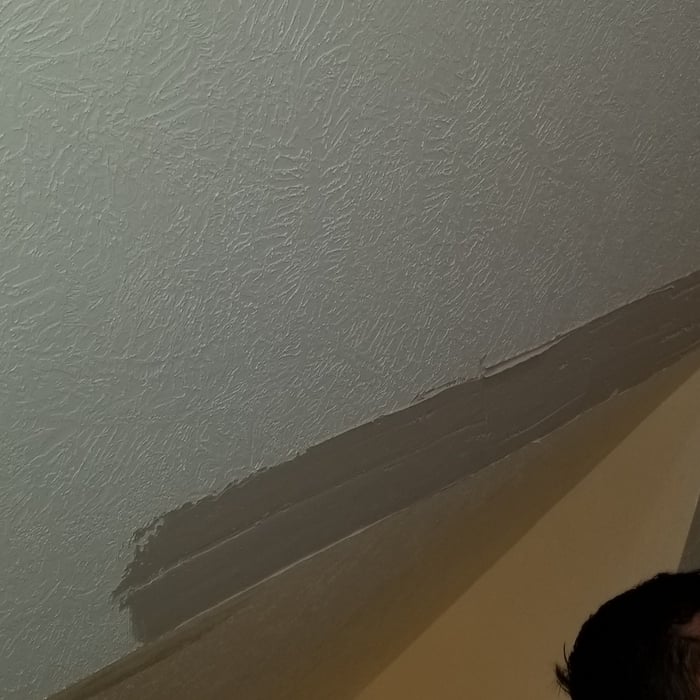
Fixing ceiling nail pops involves similar steps to wall repair, with the major difference being the orientation of the work. Ceiling nail pops can be more challenging because you may need to work overhead, which can be physically demanding and require additional safety precautions. Additionally, the ceiling may have different materials or finishes, such as textured surfaces, which can affect the repair process. Otherwise, the fundamental steps are the same.

In framing, studs are placed at 16-inch intervals to coincide with the typical spacing of wall materials such as drywall or plywood. This spacing is called "on-center" and is necessary for maintaining structural stability and efficient use of materials. The 16-inch spacing also helps to distribute the weight evenly across the building's structure. For those looking to cut material costs and improve energy efficiency, 24-inch stud spacing can be employed through a method called "advanced framing". This requires careful planning and adherence to local building codes to ensure structural integrity.

Although they have similar applications, spackle and joint compound are not the same. Their primary differences lie in their composition, consistency, and ideal use cases.

Spackle is composed of gypsum and binding agents, making it thicker than joint compound. It dries quickly and is easy to sand, which makes it ideal for small wall repair projects like filling nail holes or patching minor damage.

Joint compound, also known as drywall mud, consists of limestone and gypsum. It is primarily used for large-scale projects, such as taping and finishing the seams on newly installed drywall. It tends to shrink more than spackle and can be more difficult to spread.

While both products can be used to fill small depressions and cracks, spackle cannot replace joint compound for taping and mudding new drywall. Conversely, you can often use joint compound for small patching jobs typically done with spackle.

The Malvern, AR homeowners’ guide to drywall services

From average costs to expert advice, get all the answers you need to get your job done.