




Top-rated paving pros.

Get matched with top paving pros in Brinkley, AR

Enter your zip and get matched with up to 5 pros

Need a pro for your paving service project in Brinkley, AR?

Select your specific project to find the pro for you.

Find Paving pros in Brinkley

Precision Seal Coating and Striping
New to Angi
Asphalt Paving - Repair or Patch

Serving Brinkley, AR and surrounding areas

Approved

In business since 2021

Free estimates

Offers commercial services

We take great pride in our experience, expertise, quality and customer service that\nwe provide to meet your needs. It is our mission to provide excellent workmanship\nand complete customer satisfaction from start to completion of a project. \nIn order to understand the needs and expectations of our customers,\nwe take great care to work and communicate with every customer a professional manner.\nOur reputation is based on service, safety and quality, regardless of how large\nor small the job.

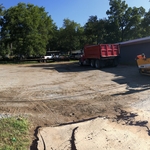
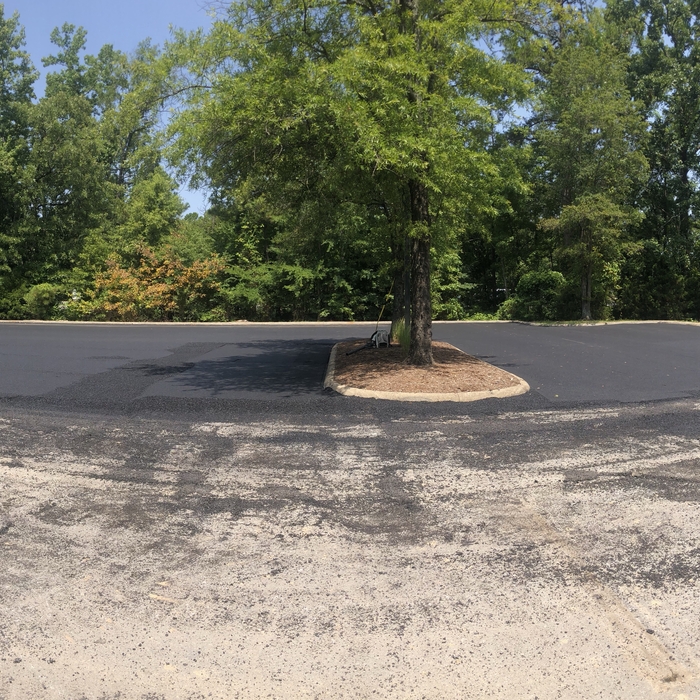
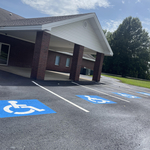
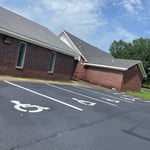
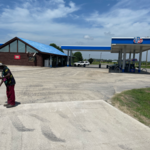
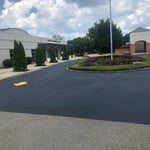
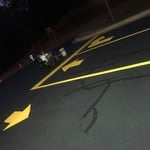
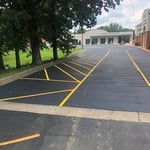
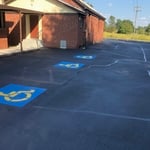
Church Parking Lot
2
3
4
5

+6

Response time2 days
Response rate90%
42 neighbors recently requested a quote
Fricker Construction, Inc.
5.0(
2
)
Asphalt Paving - Repair or PatchAsphalt Paving - Repair or Patch - For Business

Serving Brinkley, AR and surrounding areas

In business since 2020

Free estimates

Offers commercial services

"I have used Fricker Construction for years as a contractor for repairs, make readies, concrete, water intrusion, disaster, painting, rebuilds, and much more. They are always very reasonable on price and the quality of work is always on point."
Response time9 hrs
Recommended by100%of homeowners
Showing 1-10 of 21
Paving Services questions, answered by experts

It takes recycled asphalt 48 hours to initially harden and up to 3 months to fully cure. It’s best to stay off of recycled asphalt for at least 48 hours, then you can walk or drive standard vehicles on it. Hold off on driving heavy trucks or equipment on it for at least 7 days. Allowing the surface to melt together and harden ensures that the surface stays durable and long-lasting. 

Asphalt and tarmac are not the same thing. Traditional tarmac, short for tarmacadam, uses tar as a binder to hold crushed stone together. Asphalt uses bitumen—a byproduct of crude oil—to bind aggregate. Though tarmac was once a go-to for roads, asphalt has become the modern standard. And these days, most surfaces referred to as “tarmac” are actually asphalt. So, while the names may overlap, the key distinction lies in the binder—tar for tarmac and bitumen for asphalt.

There’s no single best asphalt grade—it all comes down to where and how it’s used. Highways and heavy-traffic roads need something tough, like polymer-modified asphalt (PMA) or Stone Matrix Asphalt (SMA). Local roads and parking lots rely on the Performance Graded (PG) system, chosen based on climate. A PG 64-28 mix, for example, handles a broad temperature range while simpler, more cost-effective mixes are typically enough for residential driveways. The best grade of asphalt depends on traffic, weather, and your budget, which is why a professional’s input is always a smart move before making a decision.

An ideal driveway gradient is between 2% and 5%. Anything lower than 1% or higher than 15% can cause problems for your car or property. A driveway with less than a 1% slope increases your likelihood of flooding and water damage, while a driveway with a 15% grade or higher can be too steep for safe traveling.

Three inches is a great thickness for a residential asphalt driveway that sees minimal to moderate traffic from cars, SUVs, and pickup trucks. However, a thicker driveway can better withstand the weight of a heavier vehicle, such as a trailer or a recreational vehicle. If you drive a heavy vehicle on a thin driveway, you risk cracking and damaging it.

The Brinkley, AR homeowners’ guide to paving services

From average costs to expert advice, get all the answers you need to get your job done.