





Top-rated excavation pros.

Get matched with top excavation pros in Brinkley, AR

Enter your zip and get matched with up to 5 pros

Need a pro for your excavation project in Brinkley, AR?

Select your specific project to find the pro for you.

Find Excavation pros in Brinkley

Avatar for R&R Dirtworks
R&R Dirtworks
5.0(
4
)

Serving Brinkley, AR and surrounding areas

"All the materials I've purchased from him have been completely satisfactory. He finds out what you need and makes sure that you're getting exactly what you need. I've never heard of him not completing a project. He'll let you know of any unexpected things that you might encounter as well."
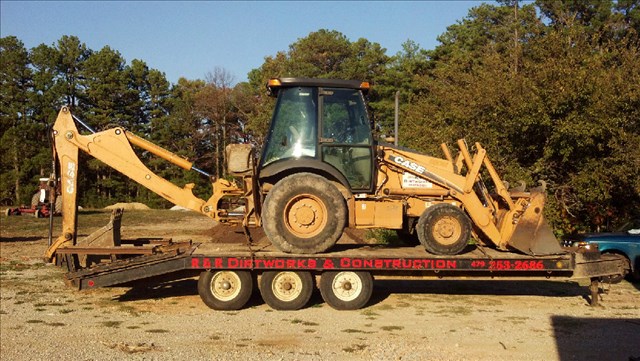
Additional Photos
Additional Photos
Additional Photos
Recommended by100%of homeowners
Avatar for Stanley's Home Improvement
Stanley's Home Improvement
3.3(
12
)

Serving Brinkley, AR and surrounding areas

Free estimates

Emergency services offered

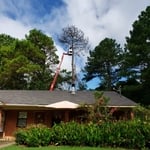
"It was apparent they were very skilled. They quickly dropped the huge limbs without a scratch on the house, fence or sheds surrounding the tree. They arrived on time and cleaned the area to my satisfaction before leaving. And they were competetively priced! I can't say enough good things about this company."
Additional Photos
Additional Photos
Additional Photos
Additional Photos
Additional Photos

+8

Recommended by77%of homeowners
Excavating questions, answered by experts

Digging a bush up by the roots is the most natural DIY method for removing a bush stump. Start by identifying the shrub type and revealing its roots. Cut the shrub to its base and loosen the soil, ensuring no utility lines are nearby. Optionally, treat the base with herbicide, then dig around the roots and cut a circle around the shrub using various tools. Dig a trench, cut the base of the root ball, and finally fill the hole to prevent regrowth. This thorough process ensures complete removal without damaging surrounding areas.

Trenching is a specific kind of digging. Trenching means digging a depression in the earth that’s deeper than it is wide, often with heavy machinery. Digging refers to any kind of removal of earth in order to create a human-made depression, hole, or cut in the earth’s surface. You can dig with big tools or even with just a hand shovel.

Sewer lines can be buried anywhere from 18 inches to 8 feet deep, with a common average depth between 18 and 30 inches. The exact depth depends on local factors like climate and soil type. In colder regions, pipes must be buried deeper (below the frost line) to prevent freezing, sometimes as deep as 8 feet. The digging depth can also impact the cost of sewer line replacement. To find the specific depth for your property, you can check the building plans for your system, which should be on file with your city or local sanitation department since permits are required for installation.

A mini excavator can dig between 5 and 11 feet deep, depending on the type and size of the mini excavator. Mini hydraulic excavators are more powerful and can reach deeper into the earth, but electric models have a more limited range. Mini excavators over two tons in size are also more powerful and able to dig as deep as 11 feet.

The best way to protect tree roots is to avoid the roots entirely by excavating outside the root radius of the tree. For nearby projects, it’s a good idea to construct a temporary retaining wall. But that’s not always possible, depending on the project and the root system. In these cases, consider using alternative equipment like an auger to tunnel under the ground.

Remember, tree roots can damage nearby cement foundations as they grow. If a tree is close enough to interfere with large excavations, it may be better to remove the tree than risk future problems.

The Brinkley, AR homeowners’ guide to excavation services

From average costs to expert advice, get all the answers you need to get your job done.