






Top-rated paving pros.

Best paving pros near Bald Knob, AR

Enter your zip and get matched with up to 5 pros

Need a pro for your paving service project in Bald Knob, AR?

Select your specific project to find the pro for you.

Top-Rated Paving pros in Bald Knob - Updated Nov 2026

Precision Seal Coating and Striping
New to Angi
Asphalt Paving - Repair or Patch

Serving Bald Knob, AR and surrounding areas

Approved

In business since 2021

Free estimates

Offers commercial services

We take great pride in our experience, expertise, quality and customer service that \nwe provide to meet your needs. It is our mission to provide excellent workmanship \nand complete customer satisfaction from start to completion of a project. \nIn order to understand the needs and expectations of our customers, \nwe take great care to work and communicate with every customer a professional manner. \nOur reputation is based on service, safety and quality, regardless of how large \nor small the job.

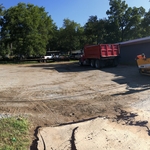
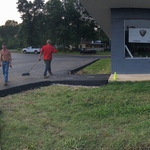
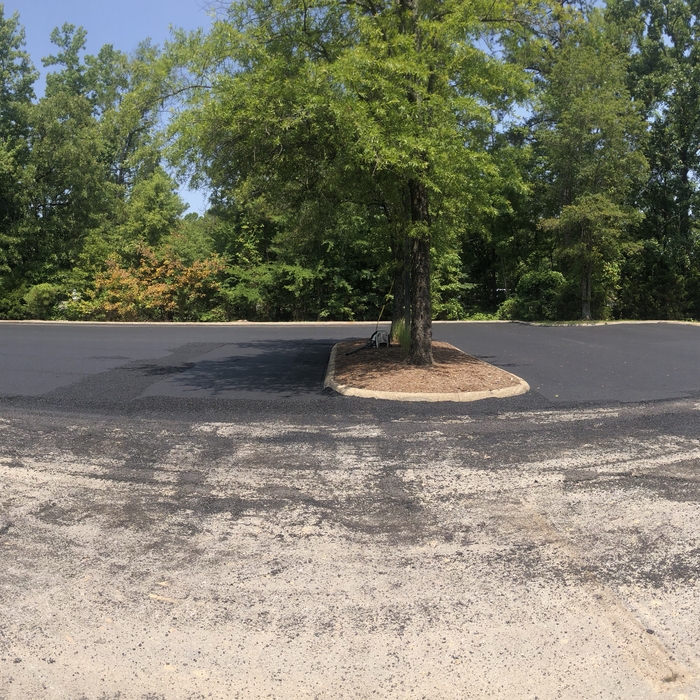
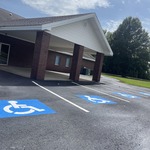
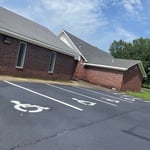
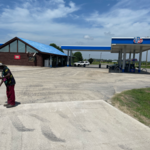
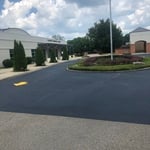
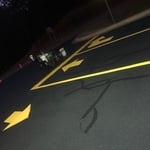
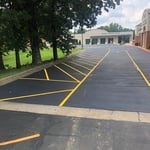
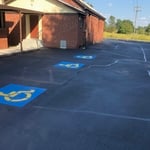
Church Parking Lot
2
3
4
5

+6

Response time2 days
Response rate90%
32 neighbors recently requested a quote
Showing 1-10 of 24
Paving Services FAQs, answered by experts

When asphalt cures, it typically changes from a very dark black hue to a lighter, more matte gray color. Cured asphalt also won’t be tacky or sticky to the touch or emit any odors from the asphalt mix. Additionally, the surface of fully cured asphalt won’t deform under any pressure.

There’s no single best asphalt grade—it all comes down to where and how it’s used. Highways and heavy-traffic roads need something tough, like polymer-modified asphalt (PMA) or Stone Matrix Asphalt (SMA). Local roads and parking lots rely on the Performance Graded (PG) system, chosen based on climate. A PG 64-28 mix, for example, handles a broad temperature range while simpler, more cost-effective mixes are typically enough for residential driveways. The best grade of asphalt depends on traffic, weather, and your budget, which is why a professional’s input is always a smart move before making a decision.

The ideal distance between stepping stones depends on your design preference. A general rule is to place them about 24 inches apart from center to center to match an average person's stride. Another common approach is to leave about 6 inches of space between the edges of each stone; this can be adjusted to fit the path's total length without cutting pavers. If you plan to plant between the stones, leave at least 6 to 8 inches of space to give the plants room to grow.

The layer of polymeric sand under the pavers plus the polymeric sand that gets swept into the joints between your pavers holds them in place in a few ways. For one, the gritty texture of the sand helps lock the pavers together. Polymeric sand also contains bonding agents that get activated by water. Polymeric sand will take between 24 and 48 hours to fully cure, so do not walk on your paver walkway before this time.

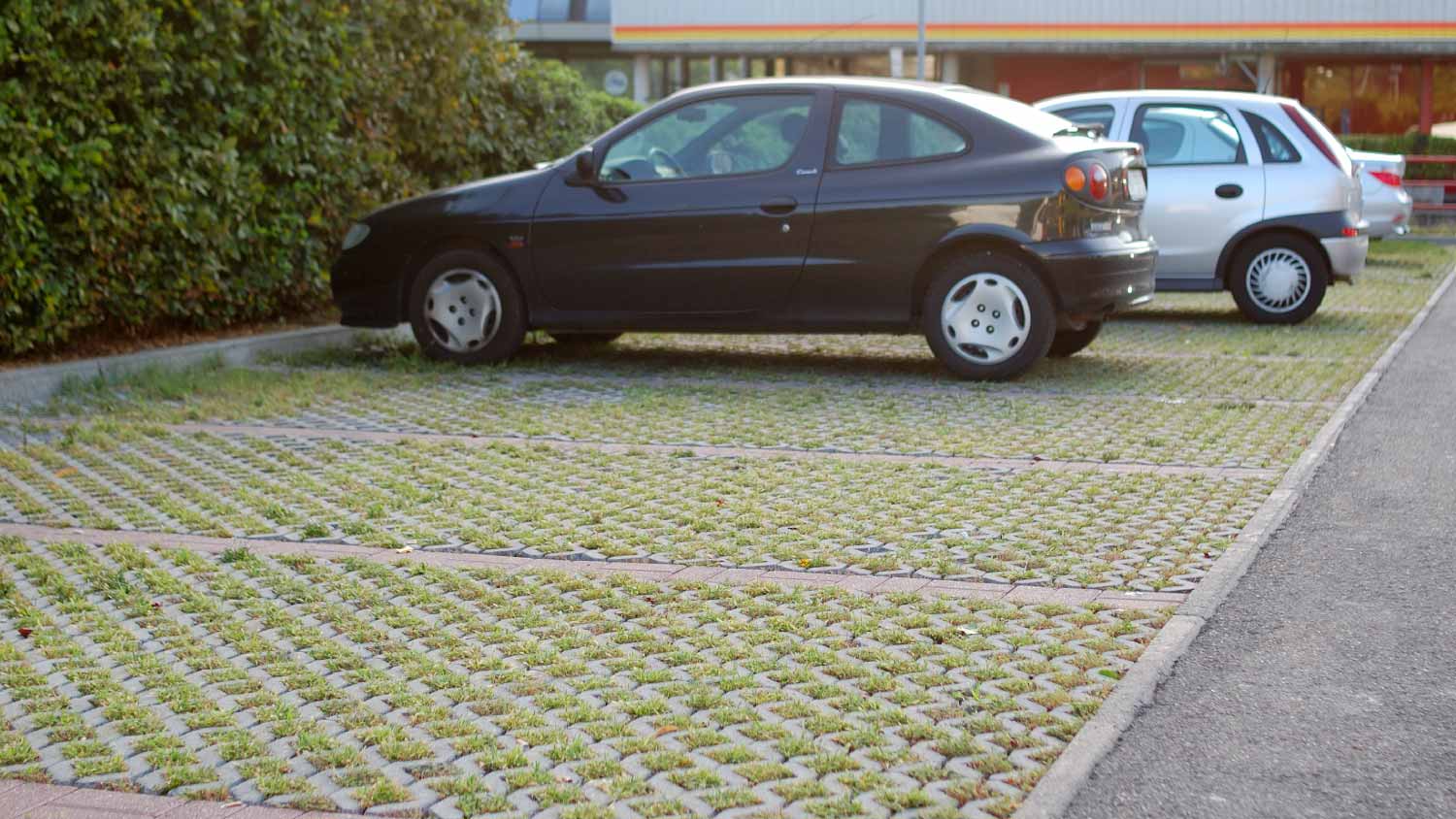
If you're designing a new patio in an area with poor drainage, permeable pavers made from porous materials may help prevent water issues. Most permeable pavers feature a gravel-only aggregate base instead of a concrete base to allow water to flow through instead of getting trapped. While beneficial in some cases, permeable pavers come with higher initial costs and greater load-bearing limitations compared to traditional pavers.

The Bald Knob, AR homeowners’ guide to paving services

From average costs to expert advice, get all the answers you need to get your job done.