


Top-rated paving pros.

Get matched with top paving pros in Ward, AR

Enter your zip and get matched with up to 5 pros

Need a pro for your paving service project in Ward, AR?

Select your specific project to find the pro for you.

TRUSTED BY WARD, AR HOMEOWNERS

  • Average homeowner rating star icon4.3
    Average homeowner rating
  • Verified reviews icon27
    Verified paving services reviews

Find Paving pros in Ward

Avatar for River Valley Asphalt Maintenance
River Valley Asphalt Maintenance
4.3(
46
)

Serving Ward, AR and surrounding areas

Approved

In business since 2016

Free estimates

Credit card accepted

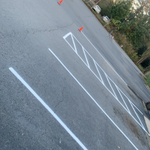
"Totally pleased with this process. Prompt to bid, excellent price compared to competition, came quickly, did on time and I loved their work. Lot looks brand new snd striping very professional. I will use them again and highly recommend"
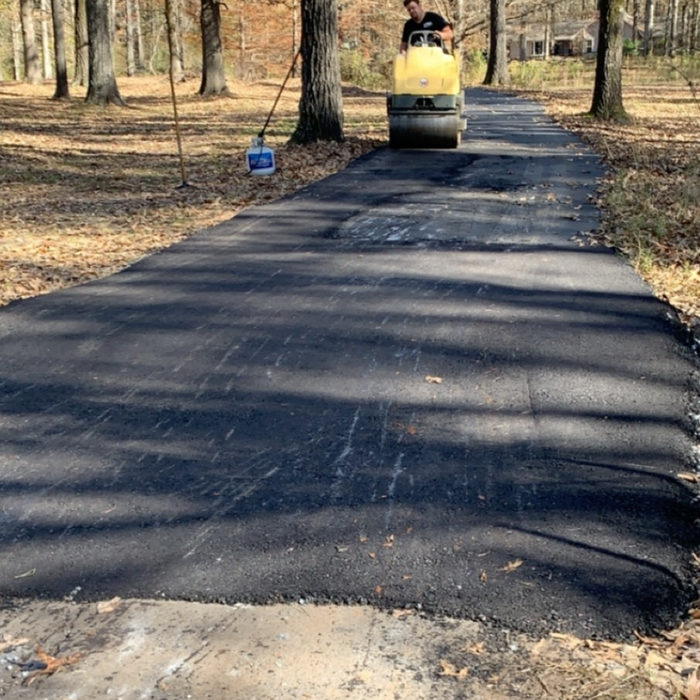
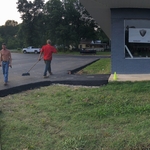
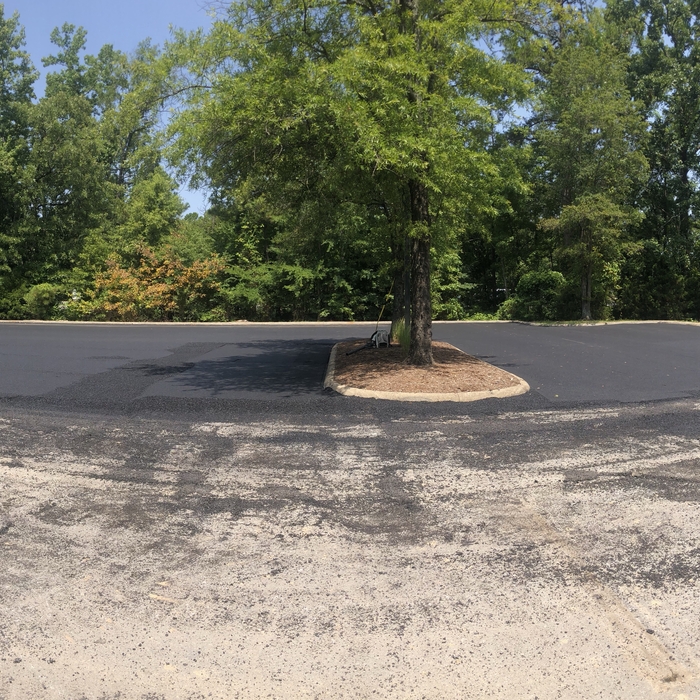
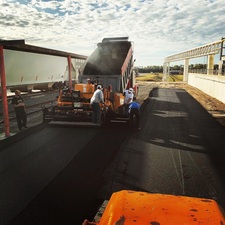
Sealcoating A Commercial Job
After
Finished
Line marking
Line marking

+9

Response time2 days
37 neighbors recently requested a quote
Recommended by90%of homeowners
Precision Seal Coating and Striping
New to Angi

Serving Ward, AR and surrounding areas

Approved

In business since 2021

Free estimates

Offers commercial services
We take great pride in our experience, expertise, quality and customer service that\nwe provide to meet your needs. It is our mission to provide excellent workmanship\nand complete customer satisfaction from start to completion of a project. \nIn order to understand the needs and expectations of our customers,\nwe take great care to work and communicate with every customer a professional manner.\nOur reputation is based on service, safety and quality, regardless of how large\nor small the job.

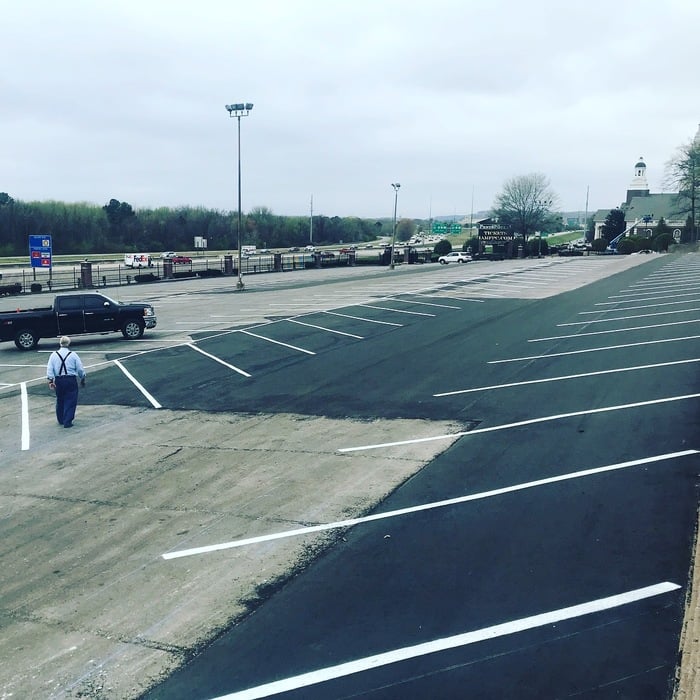
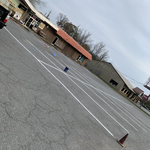
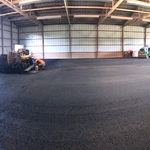
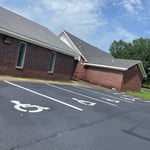
Church Parking Lot
2
3
4
5

+6

Response time1 day
39 neighbors recently requested a quote
Showing 1-10 of 43
Paving Services questions, answered by experts

Generally speaking, tiles are for indoor use, while pavers are for outdoor use. The main difference between travertine tiles and pavers is their thickness. Tiles are around 1/2 inch thick, and pavers are 1 1/4 inches to 2 inches thick.

Pavers are more rugged and can handle different weather. The extra thickness on pavers also makes them ideal for high-traffic areas.

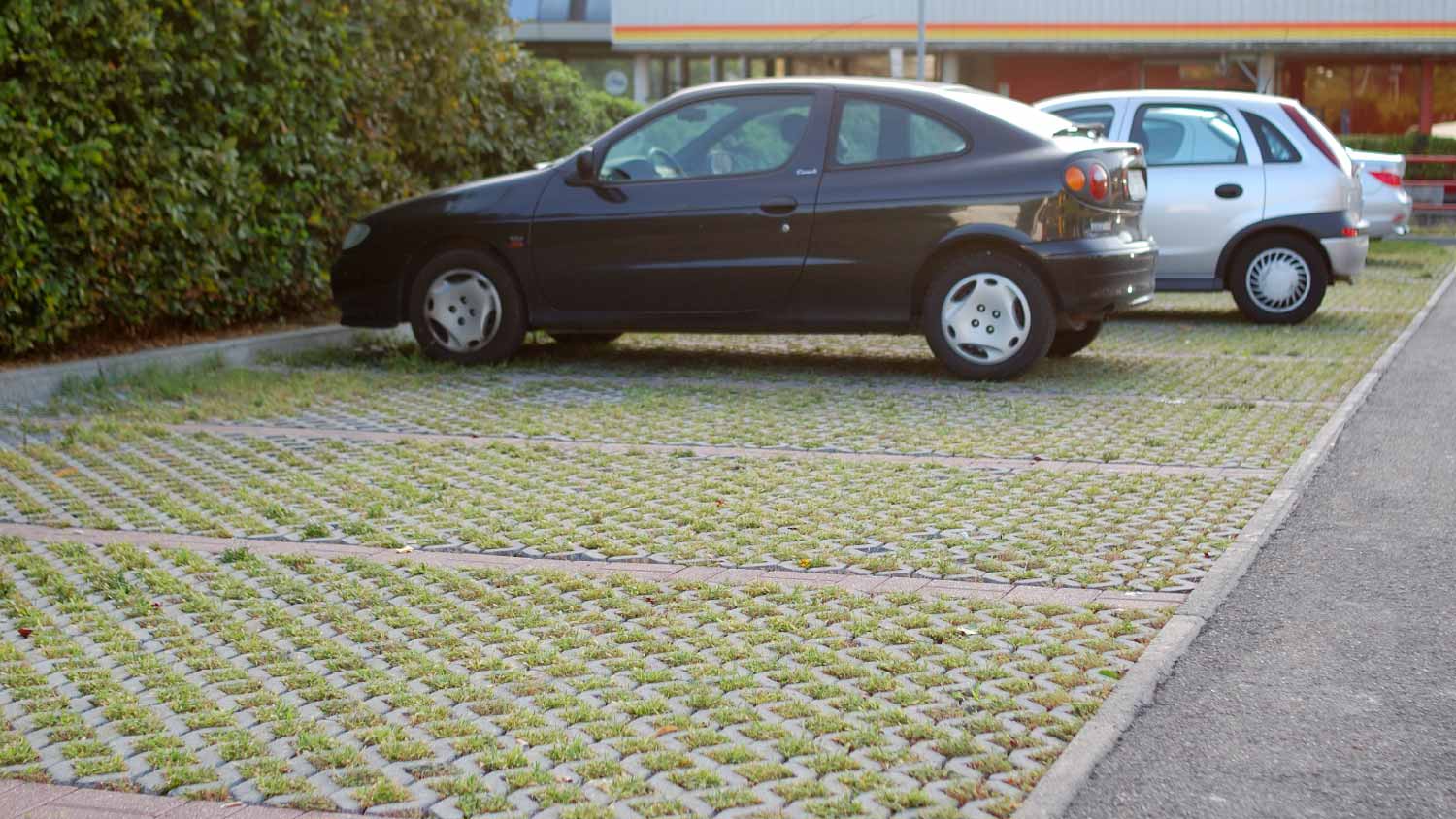
Professional installers often include a deep layer of crushed gravel under permeable pavers to allow more runoff to soak through into the soil below. Many installations will include multiple layers of gravel, with coarser aggregate at the base and finer aggregate that sits on top of that bottom layer. Above the gravel, you’ll often find coarse sand that helps reduce paver shifting over time. Some permeable paver designs include a water collection system set into the gravel layer to route runoff to a safe area for disposal.

While blacktop is a type of asphalt, the terms should not be used interchangeably, as not all asphalt qualifies as blacktop. The primary differences are in their composition, production process, and ideal applications. Blacktop contains more stone than other types of asphalt and is heated to a higher temperature during production—300°F or more—while hot-mix asphalt is heated to between 275°F and 300°F. The ratio of bitumen (a tar-like crude oil) is a key differentiator, though sources vary: some state blacktop has less bitumen, making it less durable, while others claim it has a higher ratio. Due to these differences, asphalt is generally more durable and better for high-traffic areas like highways and streets, while blacktop is more suitable for playgrounds and residential driveways. For a driveway project, it is best to consult a professional to determine the most appropriate material.

The most common causes of sunken pavers are poor base preparation and insufficient compaction. The problem could also be how your pavers were installed. If the soil beneath your patio or walkway wasn't compacted, it will pull pavers down as it settles. Additionally, using bare soil instead of making a paver bed with compacted gravel and sand can cause sinking over time. To fix sunken pavers, consider recompacting the base and addressing any drainage or erosion issues in the area.

Yes, but it's best to kill off the grass with solarization and remove the dead plant matter before laying down the pavers. This helps limit the chance of your pavers shifting as the dead plant matter decomposes.

The Ward, AR homeowners’ guide to paving services

From average costs to expert advice, get all the answers you need to get your job done.