




Top-rated paving pros.

Get matched with top paving pros in England, AR

Enter your zip and get matched with up to 5 pros

Need a pro for your paving service project in England, AR?

Select your specific project to find the pro for you.

Find Paving pros in England

Avatar for River Valley Asphalt Maintenance
River Valley Asphalt Maintenance
4.3(
46
)
Asphalt Paving - Repair or Patch

Serving England, AR and surrounding areas

Approved

In business since 2016

Free estimates

Credit card accepted

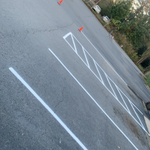
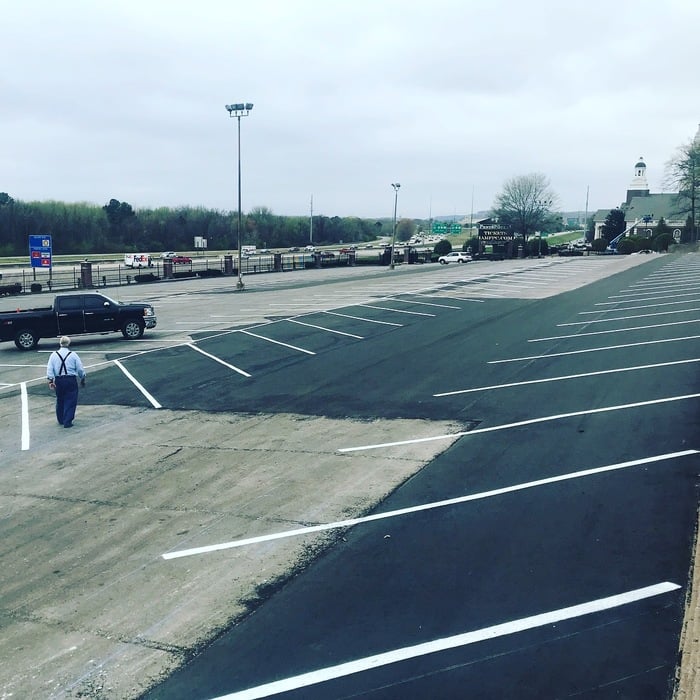
"Totally pleased with this process. Prompt to bid, excellent price compared to competition, came quickly, did on time and I loved their work. Lot looks brand new snd striping very professional. I will use them again and highly recommend"
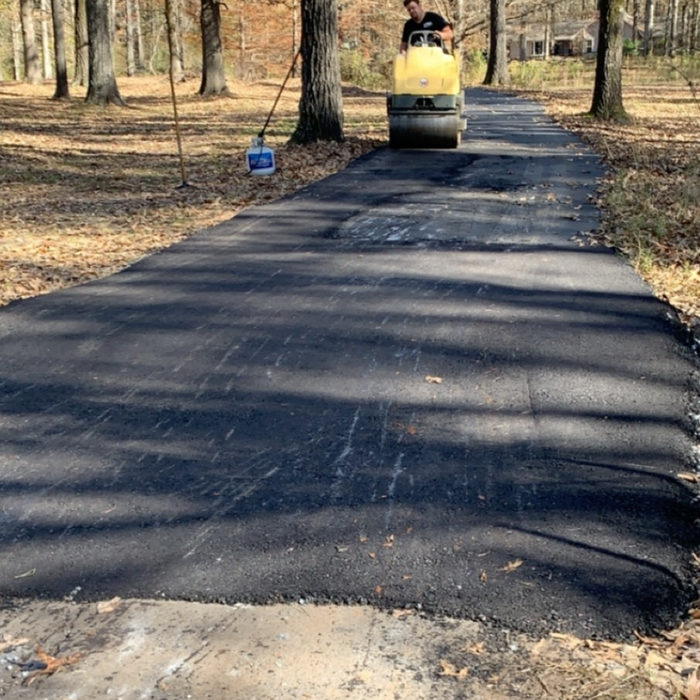
Sealcoating A Commercial Job
After
Finished
Line marking
Line marking

+9

Response time2 days
38 neighbors recently requested a quote
Recommended by90%of homeowners
Precision Seal Coating and Striping
New to Angi
Asphalt Paving - Repair or Patch

Serving England, AR and surrounding areas

Approved

In business since 2021

Free estimates

Offers commercial services

We take great pride in our experience, expertise, quality and customer service that\nwe provide to meet your needs. It is our mission to provide excellent workmanship\nand complete customer satisfaction from start to completion of a project. \nIn order to understand the needs and expectations of our customers,\nwe take great care to work and communicate with every customer a professional manner.\nOur reputation is based on service, safety and quality, regardless of how large\nor small the job.

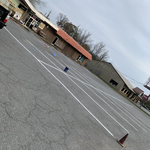
Church Parking Lot
2
3
4
5

+6

Response time1 day
40 neighbors recently requested a quote
Showing 1-10 of 42
Paving Services questions, answered by experts

Yes, hardscaping is generally a great investment that can increase your home's value. Hardscape features improve your yard's functionality, safety, and aesthetics, which boosts curb appeal and overall property value. According to a survey by the National Association of Realtors and the National Association of Landscape Professionals, hardscape upgrades are one of the top four outdoor projects that add value to a property for resale, along with landscape upgrades, landscape management, and lawn care services. While most buyers see value in these features, some may be concerned about potential increases in property taxes or the cost to alter them later. However, the return on investment is typically excellent. For best results, hardscaping should be combined with professional landscaping, and it's wise to hire a reliable contractor for installation.

Building a road on a slope requires careful planning and will normally require a drainage system underneath to prevent flooding and damage to the road over time. Your professional may lengthen your road to create switchbacks if the slope directly to your home is too steep, as there are regulations for maximum road slope. The drainage system will help prevent runoff from the higher side of the slope from damaging the asphalt or concrete. Keep in mind that building a road on a slope isn’t a good DIY project, as a lot can go wrong.

The dimensions of a driveway apron vary based on local building codes, the width of your driveway, and the distance between the driveway and the road. On average, aprons range from 12 to 24 feet wide and 8 to 18 feet long. Typically, the end of the apron connected to the driveway matches its width—such as 10 to 12 feet for a single-car driveway—while the end at the street flares out to allow cars to turn in and out more easily. In some areas, you may not be responsible for the portion of the apron that extends beyond the sidewalk, but this depends on local laws.

Think of the street as a way to capture all the elements on either side of the road, including the road—a street encompasses the homes or other buildings, the trees, and the road of a given area as defined by the beginning and end of the street on a map. A roadway, however, is the component of the street where cars travel.

Asphalt and tarmac are not the same thing. Traditional tarmac, short for tarmacadam, uses tar as a binder to hold crushed stone together. Asphalt uses bitumen—a byproduct of crude oil—to bind aggregate. Though tarmac was once a go-to for roads, asphalt has become the modern standard. And these days, most surfaces referred to as “tarmac” are actually asphalt. So, while the names may overlap, the key distinction lies in the binder—tar for tarmac and bitumen for asphalt.

The England, AR homeowners’ guide to paving services

From average costs to expert advice, get all the answers you need to get your job done.